
Key takeaways
- Disney+ created a 15-entry watchlist spanning over 41 hours to help audiences understand Avengers: Doomsday's multiverse-heavy narrative.
- The Multiverse Saga incorporates previously inaccessible franchises like X-Men and Fantastic Four into Marvel's continuity, requiring extensive preparation.
- Key inclusions like Loki's second season prove narratively essential despite poor reception, while entries like Eternals were notably excluded.
- The collection underscores modern blockbuster filmmaking's central challenge: balancing narrative ambition with audience accessibility.
Avengers: Doomsday arrives on December 18, bringing the Marvel Cinematic Universe’s sprawling Multiverse Saga toward its conclusion. Disney+ released a curated collection titled “Countdown to Avengers: Doomsday” featuring 15 films and television series totaling more than 41 hours of viewing material. The recommendation essentially functions as mandatory preparation for audiences seeking to follow narrative threads connecting nearly two decades of interconnected storytelling. The collection launched in response to the MCU’s unexpected resurgence—Spider-Man: Brand New Day earned $2 billion during its opening two weeks, breathing fresh life into a franchise that had felt creatively uncertain and revitalizing confidence in Marvel’s ability to execute at massive scale.
The Complete 15-Title Collection
The watchlist begins with historical depth, opening with the original X-Men released in 2000, introducing audiences born in subsequent decades to characters appearing in Doomsday, often with their original actors. The 2003 sequel X2, also directed by Bryan Singer, follows immediately after. The selection then jumps to 2011’s Captain America: The First Avenger, establishing the MCU’s core timeline before pivoting to three Avengers films that form the franchise’s emotional spine: The Avengers, Avengers: Infinity War, and Avengers: Endgame.
Mid-Collection Surprises
Three less obvious selections bridge the narrative gap. The Loki television series brings crucial serialized storytelling, explaining how the multiverse mechanics function. Shang-Chi and the Legend of the Ten Rings represents perhaps the most curious inclusion—a solo property whose connection to the larger narrative feels less direct than other entries. Spider-Man: No Way Home completes this trio, delivering commercial success while serving as a pivotal expansion point for the multiverse storyline.
The Final Stretch
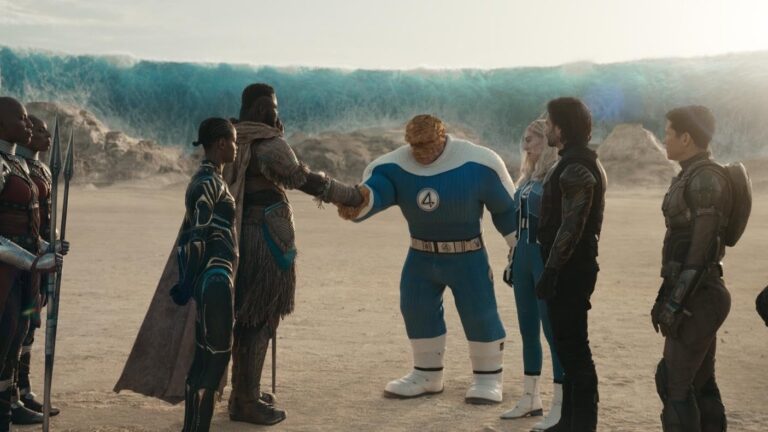
The collection accelerates toward Doomsday’s release with Black Panther: Wakanda Forever anchoring proceedings with emotional weight. Captain America: Brave New World follows, offering a more divisive entry in Marvel’s recent output. Deadpool & Wolverine enters the conversation, likely selected for explicit X-Men connections in a film that fundamentally altered the MCU’s creative trajectory. Doctor Strange in the Multiverse of Madness delivers critical acclaim before Thunderbolts* and The Fantastic Four: First Steps complete the required homework.
Understanding the Multiverse Framework
The entire viewing assignment builds toward understanding the Multiverse Saga—a years-long narrative experiment allowing characters existing outside the MCU’s original continuity to appear alongside established heroes. This framework introduced the Fantastic Four and classic X-Men into Marvel’s storytelling ecosystem, fundamentally restructuring how the MCU conceptualizes narrative space. The foundation rests heavily on Loki season two, which many viewers found tedious despite its narrative importance. The season establishes how the Time Variance Authority functions under new management, with Tom Hiddleston’s character now positioned as timeline guardian. Season two’s conclusion proves crucial to comprehending Doomsday’s stakes, making it essential viewing despite acknowledged creative limitations.
Why Loki Season 2 Matters
Understanding these multiverse rules becomes less optional and more essential for audiences wanting to grasp subsequent narrative developments. The TVA’s restructuring and Loki’s new role directly impact how characters from alternate universes interact within the MCU’s primary timeline. Skipping this entry would leave viewers confused about fundamental mechanics governing Doomsday’s plot.

Notable Strategic Exclusions
The collection reveals as much through what it excludes as what it includes. Eternals, despite its technical place within the Multiverse Saga, is conspicuously absent—a decision suggesting Marvel hopes audiences collectively forget that particular installment. The film’s poor reception and narrative disconnection apparently justified its removal from essential viewing.
The Marvels also fails to appear, despite serving as official MCU content. The exclusion likely stems from the film’s thematic focus on Nick Fury rather than broader narrative significance. Viewers following Disney’s curated path will miss connections the film establishes, though Disney apparently deemed those connections insufficiently important to justify including another feature. These omissions underscore uncomfortable reality: even the studio acknowledges not every MCU entry truly matters for understanding the next chapter.
Technical and Practical Challenges
Completing this 41-hour viewing commitment across four months demands substantial time investment. For audiences managing full-time employment, families, or maintaining other entertainment consumption, this represents a significant barrier to entry. The recommendation essentially communicates that Marvel’s next event demands more preparation than most audiences invested in any previous cinematic experience.
Platform Inconsistencies
Disney’s implementation of the collection itself demonstrates technical difficulties. The web interface displays only nine entries when accessed by logged-out users, while the mobile application properly shows all 15—an inconsistency that frustrates the stated goal of making preparation accessible and transparent. The curated collection appears exclusively in the United States market, limiting availability for international audiences.
What Follows Doomsday
Avengers: Secret Wars launches in 2027, promising to conclude the Multiverse Saga and potentially reset how Marvel’s cinematic universe operates going forward. Understanding Doomsday’s events becomes preparation for that final chapter. For audiences willing to invest the time, the watchlist provides roadmap clarity. For those balking at the 41-hour requirement, Doomsday may prove narratively opaque—a theatrical experience designed for deeply invested audiences rather than casual viewers. The watchlist fundamentally illustrates modern franchise filmmaking’s central tension: managing ambition while maintaining accessibility.
Frequently Asked Questions
How many hours of content does Disney suggest watching before Avengers: Doomsday?
Disney+ recommends watching 15 MCU films and television series totaling over 41 hours before the December 18 release.
Which X-Men films are included in the Doomsday watchlist?
The original X-Men (2000) and its 2003 sequel X2, both directed by Bryan Singer, are included to introduce audiences to characters appearing in Doomsday.
Why is Loki season 2 considered crucial despite its poor reception?
Loki season 2 explains the multiverse mechanics and how the TVA maintains the timeline under new management, knowledge essential for understanding Doomsday's narrative stakes.
