
Key takeaways
- Broche’s praise extends beyond casual admiration—he positioned Kingdom Hearts II as a benchmark against which even its own sequels fall short.
- Broche’s specific praise for Kingdom Hearts II’s combat mechanics reveals why the title continues to resonate with contemporary developers building action RPGs.
- Square Enix’s dominance in action RPG development since the late 1990s positions Kingdom Hearts II within a broader legacy of innovative game design that continues to define genre conventions.
- Broche’s public positioning of Kingdom Hearts II as the series’ pinnacle introduces a critical perspective that challenges contemporary assumptions about franchise progression and improvement.
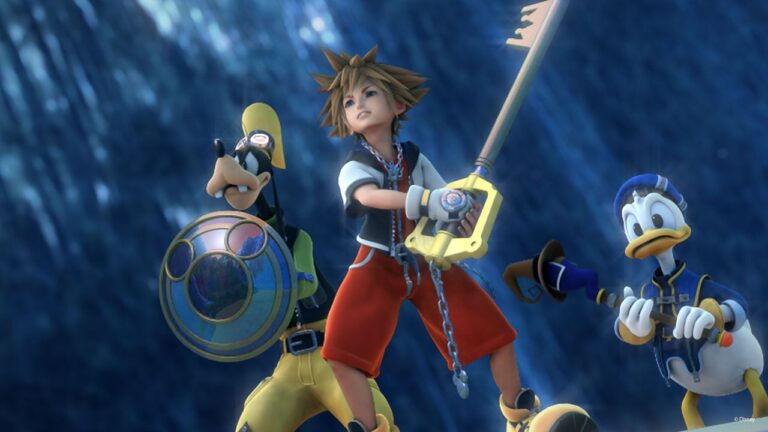
Guillaume Broche, creative director of Sandwalk Studio’s upcoming action RPG Clair Obscur: Expedition 33, has declared Kingdom Hearts II the gold standard for action RPGs and ranked it among his personal top five games of all time. In a recent interview, Broche stated that “Kingdom Hearts 2 is one of the best action RPGs ever created,” citing its combat depth and lasting influence on his own work. This endorsement from a prominent modern developer underscores the enduring legacy of Square Enix’s 2005 PlayStation 2 masterpiece.
A Director’s Landmark Endorsement
Broche’s praise extends beyond casual admiration—he positioned Kingdom Hearts II as a benchmark against which even its own sequels fall short. The director specifically noted that Kingdom Hearts III “couldn’t recapture what Kingdom Hearts II brought to the table,” implying a perceived decline in quality and mechanical depth across the franchise’s evolution. This critical assessment carries particular weight given Broche’s role in developing a contemporary action RPG that aims to honor the traditions established by Square Enix’s most celebrated entries.
Kingdom Hearts II shipped over 1 million copies within a single week of its January 2005 Japanese release and reached over 4 million copies worldwide by April 2007, with North America accounting for approximately 1 million sales in its first month alone. The game earned near-perfect critical acclaim, securing a 39/40 score from Famitsu and maintaining an 80+ Metacritic rating with 90% positive user reviews, establishing itself as one of the platform’s most successful and critically respected titles.
Mechanical Excellence as Creative Foundation
Broche’s specific praise for Kingdom Hearts II’s combat mechanics reveals why the title continues to resonate with contemporary developers building action RPGs. The director identified the game’s intricate combat system and substantial content volume as primary factors in his admiration, suggesting that modern action games still struggle to match the mechanical sophistication Square Enix achieved nearly two decades ago. This observation points to a broader trend in which foundational game design principles from the PlayStation 2 era continue to influence industry standards.
The influence runs deeper than nostalgic appreciation—Broche explicitly cited Kingdom Hearts II as a lasting creative influence on Clair Obscur: Expedition 33’s design philosophy, particularly in shaping combat depth and narrative structure. This connection illustrates how seminal titles continue to function as reference points for developers seeking to balance action-oriented gameplay with meaningful storytelling, a challenge that remains central to modern action RPG development.
Industry Recognition and Square Enix’s Enduring Impact
Square Enix’s dominance in action RPG development since the late 1990s positions Kingdom Hearts II within a broader legacy of innovative game design that continues to define genre conventions. Broche’s endorsement reflects how Square Enix’s design philosophy—blending real-time combat, character progression, and narrative depth—established templates that contemporary studios still reference when developing their own titles. The publisher’s Kingdom Hearts franchise remains a flagship property, and the critical reassessment of Kingdom Hearts II’s superiority carries implications for how the industry evaluates sequels and franchise evolution.
The game’s commercial and critical success created a cultural benchmark that extended beyond core gaming circles. Kingdom Hearts II was ranked the 16th greatest console video game of all time in a 2021 Japanese poll conducted by TV Asahi, which surveyed over 50,000 respondents, cementing its status as a landmark title in gaming history rather than a niche favorite.
What This Means for Modern Action RPG Development
Broche’s public positioning of Kingdom Hearts II as the series’ pinnacle introduces a critical perspective that challenges contemporary assumptions about franchise progression and improvement. By explicitly contrasting Kingdom Hearts II’s mechanical achievement with Kingdom Hearts III’s perceived shortcomings, Broche signals that commercial success and technical advancement do not automatically translate to superior game design. This assessment suggests that modern developers are increasingly willing to acknowledge where earlier entries in established franchises achieved creative heights their successors have not matched.
The endorsement also raises questions about how Clair Obscur: Expedition 33 will navigate the expectations set by such a revered predecessor. Broche’s citation of Kingdom Hearts II as a direct influence suggests that Sandwalk Studio and Focus Entertainment intend to honor the mechanical and narrative traditions that made the Square Enix title exceptional, positioning the new IP as a spiritual successor to that legacy rather than a departure from it.
Kingdom Hearts II’s Lasting Legacy in Gaming History
Kingdom Hearts II’s position in gaming history transcends its initial commercial performance and critical reception. The title arrived during the PlayStation 2’s peak cultural relevance and established itself as a defining entry in the console’s library, blending Disney’s iconic characters with Final Fantasy mythology in ways that felt both accessible and mechanically sophisticated. Nearly two decades after its North American release in March 2006, the game continues to influence how developers approach action RPG design, combat systems, and the integration of narrative with gameplay mechanics.
The game’s sustained reputation among industry professionals suggests that certain design achievements achieve a permanence that outlasts generational shifts in hardware and player expectations. Kingdom Hearts II’s endurance as a reference point indicates that excellence in core mechanical design and content depth creates value that remains relevant across technological cycles.
Developments to Monitor Going Forward
As Clair Obscur: Expedition 33 approaches its release window, attention will focus on whether Broche’s team successfully translates their Kingdom Hearts II admiration into contemporary design that resonates with modern audiences. The explicit connection between Square Enix’s 2005 masterpiece and Sandwalk Studio’s new IP creates a clear framework through which players and critics will evaluate the game’s combat systems, progression mechanics, and narrative structure.
Broche’s public endorsement of Kingdom Hearts II as the series’ ultimate achievement establishes a creative philosophy for Clair Obscur: Expedition 33 that values mechanical depth and content volume over purely technical advancement. The gaming industry’s continued attention to how modern developers build upon or reinterpret the foundations established by PlayStation 2-era classics will shape critical and commercial expectations for action RPGs entering the next console generation.
