
Key takeaways
- Dead of the Brain, a 1992 PC-98 zombie adventure and FairyTale's first horror game, now has its first official English localization on Steam.
- FAKKU, traditionally a hentai platform, has launched a publishing program to bring retro Japanese non-adult games to modern international audiences.
- The Steam release removed some sexual content to meet platform requirements, but FAKKU provides a free patch to restore the original 1992 version.
- The release is part of a 2026 surge of classic horror games reaching modern platforms, alongside remasters of Ecstatica and re-releases of The Dark Eye.
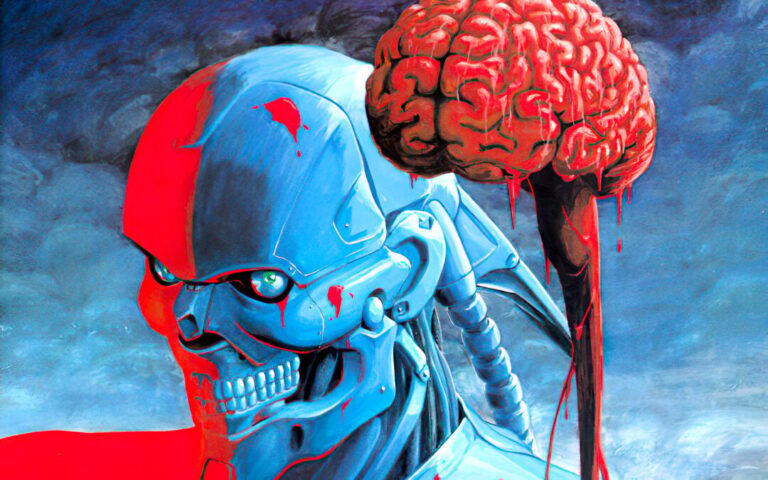
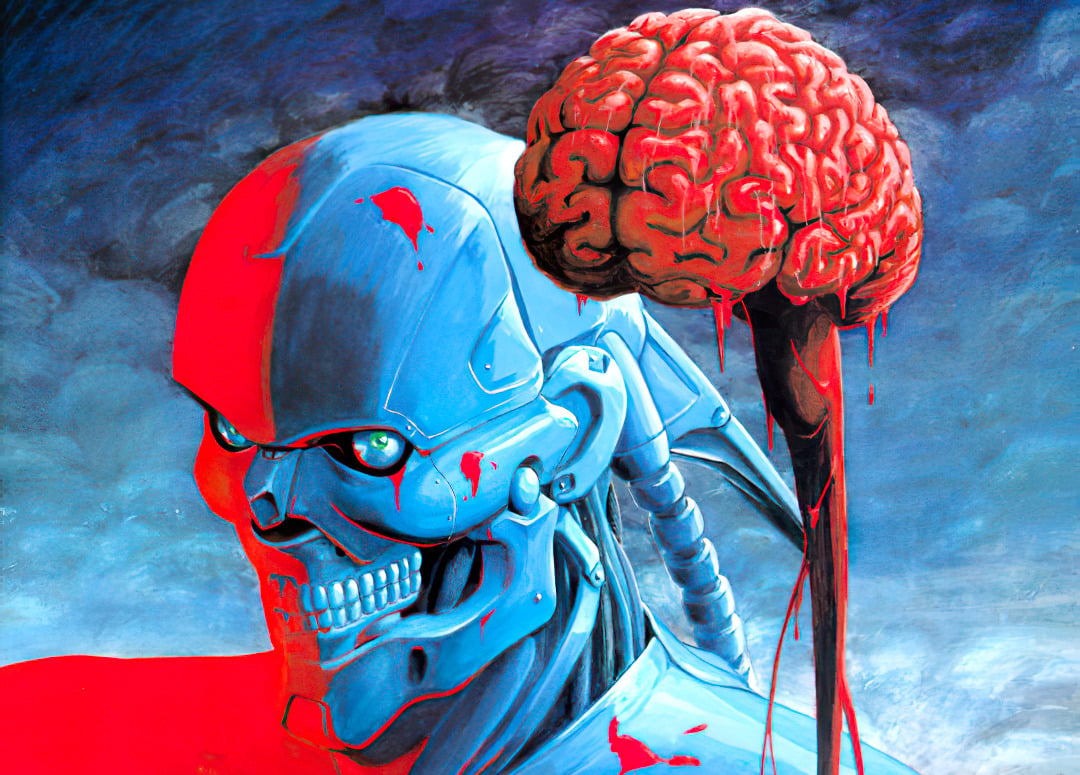
Dead of the Brain, a 1992 PC-98 adventure game from developer FairyTale, is receiving its first official English-language port on Steam. The game represents both a turning point in its developer’s career and a growing trend of international efforts to preserve and localize games from Japan’s esoteric computer platforms that have remained inaccessible to Western audiences for decades.
FairyTale’s Unexpected Pivot to Horror
From Adult Games to Zombie Outbreaks
Before Dead of the Brain, FairyTale’s catalog consisted almost entirely of adult-oriented games. The 1992 release marked the studio’s first dedicated venture into horror, a genre that would define much of the developer’s subsequent output. Following this initial foray, FairyTale produced a direct sequel and multiple entries in its Nightmare Collection spin-off series, establishing the studio as a notable voice in Japanese horror gaming during the 1990s.
The Game’s Place in FairyTale’s History
Dead of the Brain’s existence reflects a broader industry shift in early 1990s Japan, where developers experimented across genres and found audiences for varied content on home computer platforms. FairyTale’s transition from its established niche to horror suggests both artistic ambition and market opportunity. The game’s reception resonated enough to spawn multiple sequels and spin-offs, indicating the shift found commercial success alongside critical interest.
Story, Gameplay and Inspirations
A Zombie Outbreak Unfolds
Dead of the Brain follows Cole, who receives a late-night call from Dr. Cooger. Rather than news of adventure, Cooger has perfected a formula for reviving the dead. The scientist tests his creation on a house cat, which becomes feral and kills a passing police officer. As the two attempt to cover up the incident, the glowing formula spreads throughout the city. The streets fill with shambling ghouls, but the conspiracy driving the outbreak proves far stranger than a simple reanimation experiment gone wrong.
Point-and-Click Gameplay with Dark Comedy
The game employs a point-and-click adventure interface, tasking players with investigation, puzzle-solving, and firearms-based combat to progress through the narrative. Dead of the Brain distinguishes itself through a tongue-in-cheek approach to horror conventions. The young cast fully understands the clichés they find themselves living through but proceeds anyway, a narrative stance reminiscent of Return of the Living Dead. This self-aware humor permeates the game’s presentation and dialogue throughout.
Drawing from Horror Cinema
Dead of the Brain wears its influences openly, drawing inspiration from George Romero’s Living Dead film series and Brian Yuzna’s Re-Animator. These touchstones establish the game’s visual and tonal framework, pulling from practical effects-heavy horror cinema of the 1980s and early 1990s. The result functions as both homage and parody, engaging with horror conventions while simultaneously undermining them through humor and irreverence.
The Significance of PC-98 Preservation
The PC-98 remains largely unexplored territory for international gaming audiences. This Japanese computer platform hosted thousands of games, many of which never received localization or formal Western releases. The library encompasses numerous genres and styles, yet fan translations have only scratched the surface of what remains undiscovered by players outside Japan. Dead of the Brain represents one of the PC-98’s most notorious entries, a game whose cult reputation has persisted despite thirty years of inaccessibility to English-speaking audiences.
FAKKU’s Unexpected Entry Into Game Publishing
A Hentai Platform Becomes a Preservationist Publisher
The publisher bringing Dead of the Brain to Steam is FAKKU, a platform long established in the adult gaming space. In a notable shift of focus, FAKKU has initiated a program to publish retro Japanese games that fall outside the adult content category, positioning itself as a bridge between Japan’s esoteric game library and modern international audiences. This move represents an unconventional but potentially significant force in game preservation, leveraging an existing publisher’s infrastructure to surface historically important titles.
Future Releases and Expanding Scope
Beyond Dead of the Brain, FAKKU plans to publish Dengeki Nurse, a 1992 RPG, in the near future. These selections suggest the publisher is targeting notable titles from Japan’s early 1990s computer scene, focusing on games with historical significance and cult appeal rather than mainstream commercial success.
Content Modifications and Preservation Concerns
The Steam release required compromises. FAKKU removed several sequences of sexual content to achieve a less restrictive content rating on the platform. Rather than permanently altering the game, these removed sequences remain accessible through a free patch available on FAKKU’s website, allowing players to experience the original 1992 version if they choose. This approach attempts to balance platform requirements with historical preservation, though the fragmentation of content between versions raises questions about which iteration represents the definitive version for modern audiences.
A Year of Retro Horror Resurgence
Dead of the Brain’s arrival occurs amid a broader wave of classic horror games reaching modern platforms. The Ecstatica series received remaster treatment on Steam the same week, and earlier in 2026 the FMV oddity The Dark Eye became available through re-release, albeit under a changed title. This surge reflects growing interest in gaming’s historical artifacts, occurring against a backdrop of fan-created language patches that have made localization both easier and more contentious within preservation circles. The increase in official localizations suggests publishers are recognizing demand for these historically significant titles from players worldwide.
Frequently Asked Questions
What is Dead of the Brain and why is it significant?
Dead of the Brain is a 1992 point-and-click adventure game from developer FairyTale about a zombie outbreak caused by a mad scientist's resurrection formula. It was FairyTale's first horror game, marking a significant departure from the studio's prior focus on adult content, and has remained a cult classic among PC-98 enthusiasts for over three decades.
Why is FAKKU, a hentai platform, publishing this game?
FAKKU has launched a program to publish retro Japanese non-pornographic games to modern platforms, positioning itself as a bridge to bring historically significant titles from Japan's esoteric computer game library to international audiences who would otherwise have no way to access them.
What content was changed for the Steam release?
FAKKU removed some sexual content from Dead of the Brain to meet Steam's content rating requirements. However, the removed sequences are available through a free patch on FAKKU's website, allowing players to experience the original 1992 version if desired.
