
Key takeaways
- Dune 2's licensing rights are fragmented across EA, a deceased producer's estate, and Legendary Pictures, creating obstacles that make official re-release virtually impossible.
- The game was based on the 1984 Universal Pictures film, not Frank Herbert's novels, which is the root cause of the licensing tangle spanning multiple media companies.
- Fan-created patches and mods often become the only viable way to experience classic games because they avoid the legal hurdles that corporations face when attempting official re-releases.
- Dune 2 established the design blueprint for modern RTS games, directly influencing Blizzard's Warcraft and ultimately contributing to the rise of MOBAs like League of Legends.
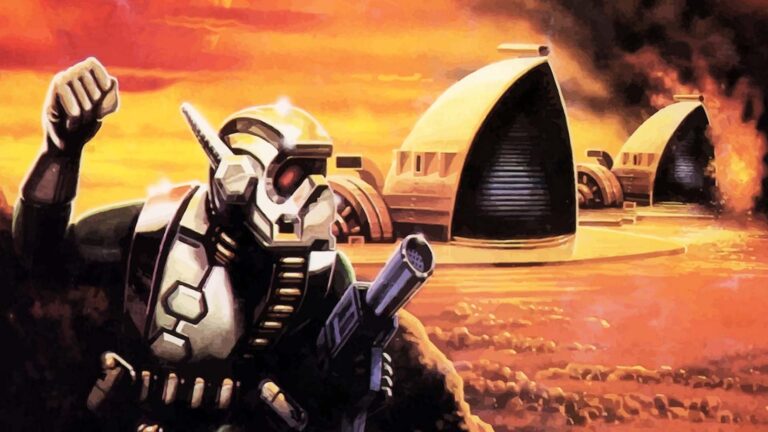
Westwood Studios’ 1992 Dune 2: The Building of a Dynasty sits at a crossroads in PC gaming history. The game is widely recognized as one of the earliest and most influential real-time strategy games ever created, effectively establishing the template that would shape an entire genre. Its design philosophy influenced major studios including Blizzard, and traces of Dune 2’s mechanics ripple through decades of subsequent RTS titles. Yet despite its foundational importance, the game remains locked away by licensing complications so tangled that an official re-release appears unlikely in the foreseeable future.
GOG, the digital preservation platform for classic PC games, has run into this problem directly. In an interview with GamesRadar, Marcin Paczynski, senior business development and partnerships manager at GOG, laid out exactly why bringing Dune 2 back to modern storefronts has become nearly impossible.
The Licensing Nightmare
Rights Fragmented Across Multiple Parties
The core issue is that the game’s licensing rights are split among entities with competing interests. Electronic Arts currently holds the game code, all its assets, and the materials surrounding it. However, EA does not own the Dune intellectual property itself. This separation creates the first layer of complexity.
Dune 2 was not actually based on Frank Herbert’s original novels. Instead, Westwood Studios built the game around the 1984 film adaptation, which Universal Pictures produced and which was helmed by producer Dino De Laurentiis. According to Paczynski, De Laurentiis retained a portion of the movie license for himself, and when he died fifteen years ago, that slice of the rights passed to his estate. This means De Laurentiis’ estate now owns a portion of Dune 2’s licensing package, creating yet another stakeholder.
The Legendary Pictures Complication
The situation grows more complicated still. Legendary Pictures currently holds the intellectual property rights to the new Dune films, and the company has signed a deal with developer Funcom to create Dune Awakening, a survival game set in the Dune universe. According to Paczynski, that agreement includes some form of “exclusivity” clause.
Whether or how that exclusivity provision might block a re-release of older Dune games like Dune 2 or Dune 2000 remains “currently not clear,” Paczynski explained. But it represents another legal and contractual obstacle that would need to be resolved before any official revival of Westwood’s classics could happen.
Why This Game Matters
The Foundation of Modern RTS
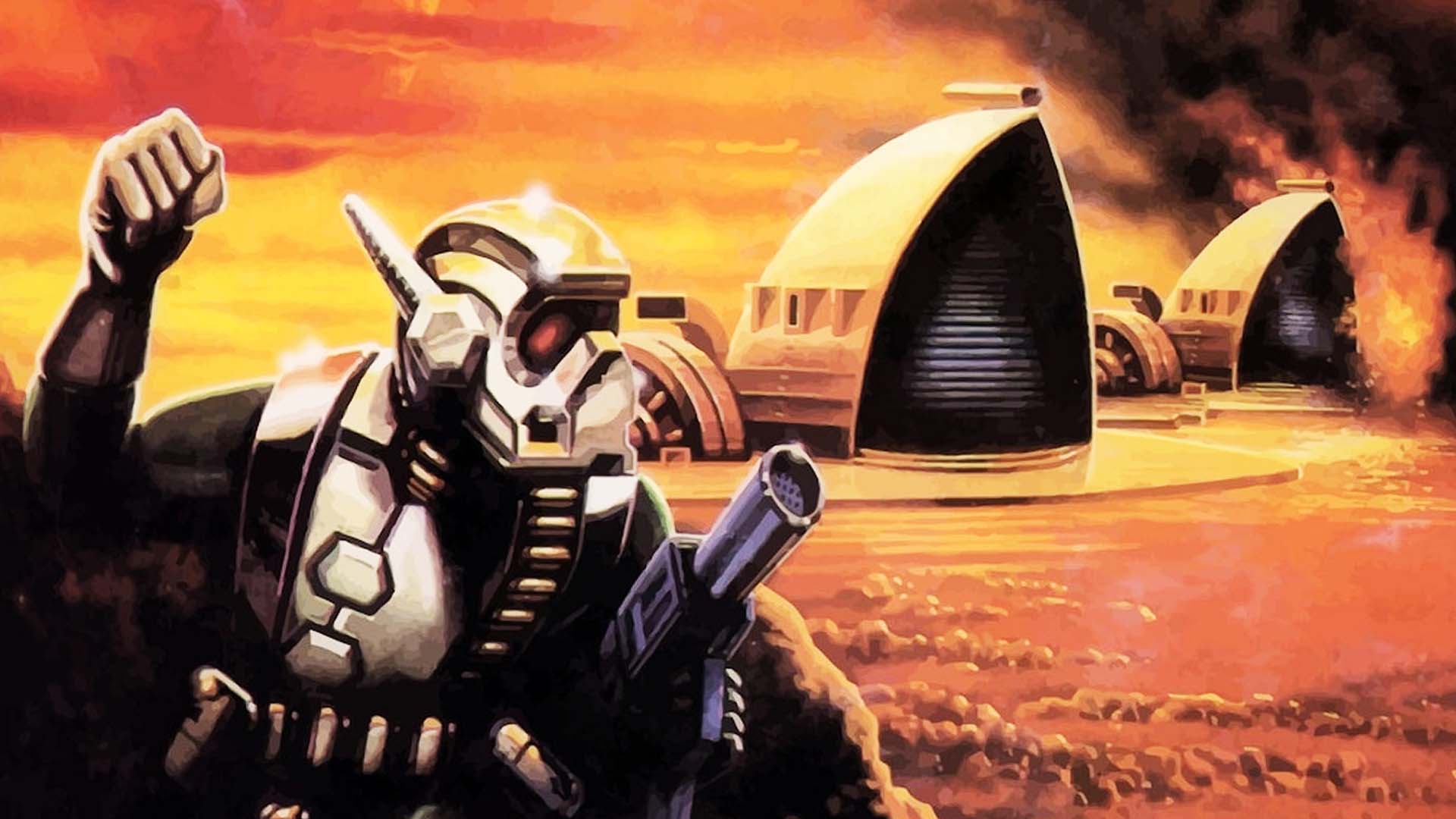
Dune 2: The Building of a Dynasty did not invent the real-time strategy genre, but its design became the blueprint that countless developers followed. The game demonstrated how to structure resource management, unit production, base building, and tactical combat into a coherent, engaging experience. Studios took note, and the influence became foundational.
Warcraft, which launched years later and became one of the most successful RTS franchises in gaming, drew directly from Dune 2’s design template. The lineage continued further: Warcraft’s massive cultural footprint eventually contributed to the emergence of MOBAs as their own genre, with League of Legends becoming the most prominent example. That chain of influence from Dune 2 to Warcraft to League of Legends illustrates how deeply one 1992 game shaped multiple generations of strategy gaming.
The Preservation Crisis
Why Fan Projects Become the Only Option
GOG’s inability to secure the rights to Dune 2 highlights a broader problem in video game preservation. Fan-created patches, mods, and restoration projects often operate without the legal constraints that corporations face. Developers and fans making modifications to existing games do not generally encounter the same legal hurdles and lawyer-intensive negotiations that confront companies trying to officially bring back classic titles.
As a result, decades-old games sometimes survive only through these unofficial channels. Fans of Dune 2 who wish to experience the game on modern systems frequently turn to community patches and emulation rather than waiting for an official, sanctioned re-release that may never arrive.
Paczynski’s Perspective
The GOG executive views Dune 2 as one of his personal “holy grails” for preservation, describing it as a game he has significant nostalgia for. For Paczynski, the Dune 2 case exemplifies how licensing disputes can spiral beyond reason or practical resolution.
“The situation is a good example of how bad it can get with the licensing situation of a game,” Paczynski said in the interview.
This comment underscores that the Dune 2 problem is not unique—it is merely an extreme manifestation of a persistent challenge in digital game preservation. Rights holders die, studios get acquired, IP ownership splinters across multiple companies, and contracts include terms that no one anticipated would create obstacles decades later.
Looking Forward
The prospect of Dune 2 receiving a proper, officially supported re-release on modern PC storefronts remains bleak. Negotiations would need to satisfy EA, the De Laurentiis estate, Legendary Pictures, and potentially other interested parties while ensuring the exclusive terms of the Dune Awakening deal do not block the initiative.
For new generations of gamers who have never experienced one of the most important real-time strategy games ever created, the barriers feel arbitrary and counterproductive. A game that shaped the entire RTS landscape sits in legal limbo, accessible mainly through unofficial channels that exist despite the rights holders, not because of them.
Source: Kotaku
Frequently Asked Questions
Why does GOG say Dune 2 cannot be re-released?
Dune 2's licensing rights are split between EA (which owns the game code and assets), Dino De Laurentiis' estate (which owns a portion of the 1984 film license the game was based on), and Legendary Pictures (which holds the Dune IP and has an exclusivity deal with Funcom for Dune Awakening).
Who made Dune 2 and when?
Westwood Studios developed Dune 2: The Building of a Dynasty in 1992. The game was based on the 1984 Universal Pictures film adaptation of Frank Herbert's Dune, not the novels themselves.
Why is Dune 2 important to gaming history?
Dune 2 established the design blueprint for real-time strategy games, influencing major developers including Blizzard. The game's influence extends through Warcraft and eventually contributed to the rise of MOBAs like League of Legends.
