
Key takeaways
- The Duskbloods network test featured only one map and six characters, far less than the three maps and ten characters coming in the full release.
- Skill-based matchmaking failed to protect casual PvP players, who faced repeated defeats with no path to progression outside of PvE content.
- Despite strong movement mechanics and visual design, Ritual Sites and PvP-centric encounters alienated less competitive players looking for PvE focus.
- The writer remains interested in trying the game at launch, but the network test significantly tempered initial enthusiasm.
Veteran Elden Ring player with over a hundred hours invested in the game, the writer entered the network test for FromSoftware’s The Duskbloods with considerable enthusiasm. The prospect of blending PvE and PvP elements had appealed specifically because the trailers and promotional previews suggested a balance that would allow less experienced PvP players to progress through boss encounters and exploration, building sufficient power to hold their own when direct player combat became mandatory. After ten hours with the test, that initial optimism has diminished significantly.
The Network Test’s Structural Constraints
Limited Roster and Map Variety
The preview environment operated under considerable restrictions. A single map was available for testing, though the full release will feature three at launch. The character roster consisted of six options, whereas the complete game will offer ten. Finding an effective pairing took considerable experimentation, with the writer eventually settling on Trang Lanh paired with a Kin—an NPC ally capable of tanking or distracting foes during encounters. The test also appeared to feature a deliberately limited pool of bosses, enemies, and events, suggesting the preview was designed to showcase mechanics rather than reveal the full scope of launch content.
The Repetition Problem
Within just a few hours, every match began to feel nearly identical in structure and objective. This uniformity amplified the frustration of repeated defeats, as there was little variety to sustain engagement between losses. The test also exposed a gap in social functionality. The writer typically plays Elden Ring in trios with a partner and a friend, but The Duskbloods supports only singles and duos. By carefully timing queue entries and forming alliances during matches, the group occasionally managed to share a game. Those cooperative moments—gathering virtue, defending against other players, confronting bosses together—provided some of the best experiences of the entire test. However, the inability to consistently queue together raised questions about whether the full game will even support such cooperative play.
Matchmaking and the Skill Ceiling
The network test exposed a critical problem for PvP newcomers: the skill gap between casual players and veterans proved insurmountable. Across ten hours, the writer was repeatedly killed by opponents with years of experience in this style of gameplay. The problem was compounded by reward structure. Outside of Ritual Sites and certain Sigils—specific in-match objectives—eliminating other players yields no meaningful reward. Yet losing a confrontation often meant losing access to resources like virtue that could have been gathered through other activities.
The Respawn Problem
One exchange crystallized the experience: a player killed the writer, then immediately teleported to the respawn location and eliminated them again before they could reorient themselves. Why aggressively target a clearly struggling opponent with no reward incentive? The PvP-centric portions of the game appeared to punish anyone attempting to engage with content other than direct player combat, creating a system where the vulnerable were deliberately targeted rather than left alone.
Kin Ally Complications
More subtle but equally problematic was an interaction with the Kin system itself. Forming alliances with other players requires proximity, yet when the writer approached other players, their Kin ally would attack unprompted—signaling apparent aggression and triggering defensive retaliation. This led to unintended combats, often with the writer caught mid-menu and unable to respond effectively.
What Actually Worked
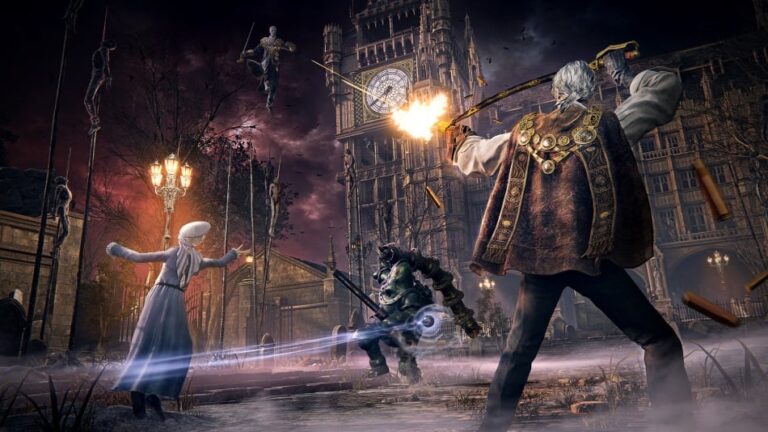
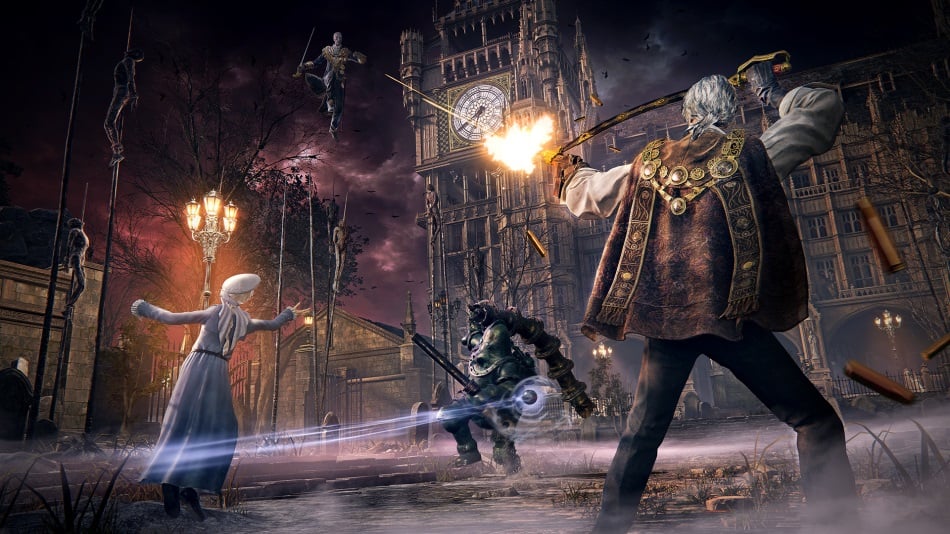
Movement mechanics felt genuinely responsive. Quadruple jumps combined with an air dash created a sense of fluidity that made traversal engaging on its own. Playing the Senator character and transforming into a dinosaur form delivered satisfying moments, as did unleashing ranged attacks with Layla against distant foes. Visually, the game impressed—character designs, Trespasser boss encounters, and environmental detail all demonstrated clear artistic direction and care in execution.
Exploration rewarded curiosity. Hidden areas dotted the map, including underground ruins and a clock tower room accessible only through deliberate searching. Most Kin partners proved appealing. A wolf ally dealt impressive damage to standard enemies, and Marlowe offered engaging interaction, though the Baritone character delivered considerably less charm. At its foundation, the core premise remains compelling: a FromSoftware action game where multiple players inhabit the same space, competing and cooperating through different mechanics simultaneously. The writer remains genuinely interested in participating in that vision.
The Fundamental Issue: Can Losing Remain Engaging?
Ritual Sites and Forced PvP
Throughout the test, progression involved approaching Ritual Sites—zones directing players toward specific goals like claiming stones, defending pledges, or eliminating rivals. Phases 2 and 3 essentially became free-for-all PvP encounters. The writer faced a choice: pursue solo Trespasser bosses while isolated, or join conflicts and face repeated defeats from skilled opponents. After ten hours, the writer never reached the final Grail fight. The peak moment came from defeating a sworn enemy selected by their active Sigil, only to have that player hunt them relentlessly for the remainder of the match.
The core question is whether losing repeatedly at The Duskbloods can remain fun enough to motivate improvement. During the network test, the answer was clearly no. The skill ceiling appeared prohibitively high for newer entrants, and losses felt like punishment rather than learning opportunities. Without enjoyment in defeat, casual players are likely to quit before developing competence, causing the skill floor to rise further and the competitive environment to become progressively more intimidating.
Cautious Optimism for Launch
Several elements could shift this dynamic at release. The full game reportedly allows story progression despite losing repeatedly, which could provide accomplishment independent of PvP success. A larger character roster might include a perfect fit the test’s six options never delivered. Skill-based matchmaking could pair the writer with similarly skilled opponents. The meta might develop in ways that reduce early-game harassment and harassment. Most crucially, if the full game enables queuing with friends, even repeated losses would carry social value.
The writer plans to try The Duskbloods at launch. But the excitement preceding the network test has dimmed noticeably. The gap between what marketing suggested—a game accommodating both PvE and PvP preferences—and what the test demonstrated, where PvP skill appeared essential to meaningful engagement, remains substantial and largely unresolved.
Frequently Asked Questions
What were the main limitations of the Duskbloods network test?
The test featured only one playable map and a roster of six characters, compared to three maps and ten characters confirmed for full release. This limited environment meant matches became repetitive within hours.
Why did the writer struggle so much with The Duskbloods?
Coming from Elden Ring with limited PvP experience, the writer faced a steep skill gap against veteran competitors. Defeats often prevented progression toward meaningful objectives, and the Kin ally system sometimes caused unintended player conflicts.
Is the writer still interested in playing The Duskbloods at launch?
Yes, but with tempered expectations. They plan to try it at release, though the network test's emphasis on PvP-focused Ritual Sites as mandatory encounters has diminished their initial enthusiasm considerably.
