
Key takeaways
- EA Sports College Football 25 became the best-selling sports video game of all time in total dollars, surpassing NBA 2K21 and establishing the rebooted franchise as a commercial juggernaut.
- College Football 27 marks the first title in the series to officially launch on PC alongside console versions, with cross-play functionality allowing PC players to compete with PlayStation 5 and Xbox Series X|S users.
- The coming weeks will determine whether EA Sports responds to community pressure with monetization adjustments or maintains its current pricing strategy.
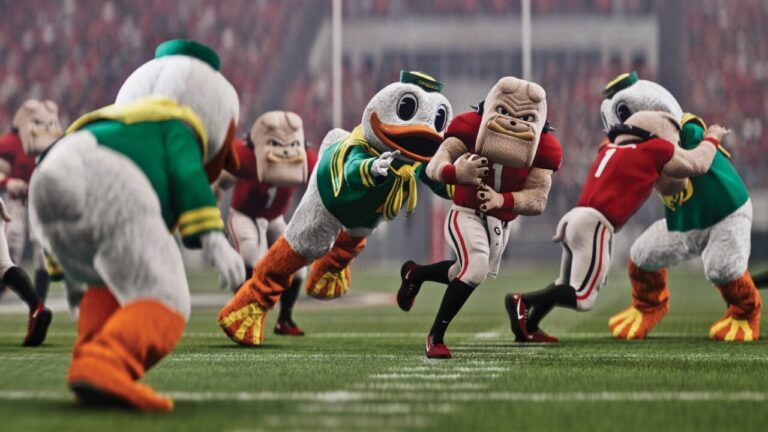
EA Sports College Football 27 earned a “Mostly Negative” rating on Steam within 24 hours of its July 9, 2026 release, driven by community outrage over pay-to-win microtransactions embedded in single-player modes like Dynasty and Road to Glory. The game, developed by EA Orlando and released across PlayStation 5, Xbox Series X|S, and PC via Steam, Epic Games Store, and EA App, marks the franchise’s first PC launch but arrives amid unprecedented monetization controversy that threatens to undermine record-breaking sales momentum built by its predecessors.
Microtransactions Invade Single-Player Territory
EA quietly integrated pay-to-win mechanics into offline career modes days before the global launch, allowing players to purchase Coach Levels and Player Upgrades to bypass what the company designed as an engineered progression grind. The cost structure is aggressive: upgrading a single player from a 50 rating to an 80 rating in Road to Glory costs approximately $50, while maxing out a coach in Dynasty mode requires roughly $100 in additional spending beyond the $70 base game price.
The controversy intensified when Early Access players discovered that EA removed the “Coach XP Speed” slider setting that existed in previous iterations, effectively converting a free convenience feature into a paid monetization vector. This discovery sparked immediate backlash across social media, with Reddit threads documenting the changes garnering hundreds of votes and comments expressing outrage over what the community characterized as predatory business practices infiltrating traditionally “sacred” offline experiences.
Critical Praise Undermined by Monetization Backlash
Professional critics maintain that EA Sports College Football 27 delivers exceptional on-field gameplay and presentation, with Forbes awarding the PlayStation 5 version a 9.25 out of 10 and calling it “the deepest and best-playing entry in the rebooted series.” The game features best-in-class visuals, top-notch presentation, and refined mechanics that represent genuine technical achievements. However, this praise has been overshadowed by uniform criticism of the monetization model, with reviewers describing the business practices as “sullying what could have been a watershed entry” and marring an otherwise exceptional sports simulation.
The disconnect between gameplay quality and monetization aggression has created a fractured critical landscape. While professional outlets acknowledge the game’s technical strengths, user sentiment on Steam reflects a community that views the aggressive pricing and pay-to-win mechanics as a betrayal of the offline experience. Critics have described the situation as “the greatest meal that leaves a bad taste in your mouth,” capturing the frustration of players who recognize quality gameplay undermined by exploitative business decisions.
Community Leadership Mobilizes Opposition
Content creator Bordeaux, who leads the “CFBPlayDontPay” movement, highlighted that EA’s removal of the coach experience speed slider and its replacement with a paid upgrade represents a “big shift” in sports gaming paradigms. This transition marks the first time the franchise has moved predatory monetization from multiplayer-focused modes like Ultimate Team into single-player offline experiences, fundamentally altering the business model’s reach within the game ecosystem.
The backlash has sparked organized boycott threats and sustained criticism across gaming communities. Players express particular frustration that the franchise previously offered these quality-of-life features freely, only to monetize them in the newest iteration. Twitch streaming data reveals potential long-term engagement concerns, with the game experiencing 14 percent fewer streaming channels on weekends compared to weekdays and 26 percent fewer viewers during peak leisure times, suggesting the negative sentiment may be dampening enthusiasm during crucial engagement windows.
Building on Record-Breaking Franchise Momentum
EA Sports College Football 25 became the best-selling sports video game of all time in total dollars, surpassing NBA 2K21 and establishing the rebooted franchise as a commercial juggernaut. The previous installment, College Football 26, was downloaded 3.1 million times in July 2025, with 1.9 million copies sold in its first week, demonstrating sustained player interest and purchasing power.
College Football 25’s success required EA to invest over $6 million in Name, Image, and Likeness (NIL) payments to more than 11,000 FBS players, underscoring the franchise’s massive production budget and commercial ambitions. The monetization controversy surrounding College Football 27 threatens to squander this carefully built goodwill and market position, particularly given that the game’s technical quality alone cannot offset community perception of predatory business practices.
Expanded Reach with PC Launch Amplifies Controversy
College Football 27 marks the first title in the series to officially launch on PC alongside console versions, with cross-play functionality allowing PC players to compete with PlayStation 5 and Xbox Series X|S users. This technical expansion significantly broadens the potential player base and represents a major milestone for franchise accessibility. However, the simultaneous expansion of the monetization controversy to the PC gaming community—which has historically demonstrated strong resistance to aggressive pricing models—may amplify negative sentiment beyond console-exclusive audiences.
The inclusion of PC players in the cross-play ecosystem means the backlash will affect a more diverse gaming demographic, including players accustomed to different monetization standards across the broader PC gaming landscape. Early Steam reviews reflect this broader audience’s immediate rejection of the business model, establishing a critical narrative that extends beyond traditional console sports gaming communities.
Monitoring Long-Term Commercial and Community Impact
The coming weeks will determine whether EA Sports responds to community pressure with monetization adjustments or maintains its current pricing strategy. First-week sales figures and sustained player engagement metrics will indicate whether the Steam backlash translates to measurable commercial consequences or represents vocal criticism from a minority segment of the player base. Additionally, whether competing sports gaming franchises respond by emphasizing monetization restraint in offline modes could reshape industry standards.
EA Sports College Football 27 stands at a critical juncture: a technically accomplished sports simulation undermined by business model decisions that have fundamentally altered community perception of the franchise. The game’s immediate future depends on whether the developer responds to documented player dissatisfaction or persists with aggressive monetization strategies that have already triggered organized boycott movements and dominant negative discourse across gaming platforms.
