
Key takeaways
- Indie studio Lv. 4 Games released a 2D pixelated demake of 2002's Metroid Prime to celebrate the franchise's 40th anniversary after Nintendo ignored the milestone.
- The three-year project contains no generative AI and was created entirely by hand, though its YouTube trailer was removed for terms of service violations.
- Developers acknowledge the legal risk of creating fan projects using Nintendo's IP, with one team member noting: 'I know I am now a target of the Nintendo ninjas.'
- Fan creators have become primary custodians of gaming history when official corporate channels remain silent or inactive on franchise celebrations.
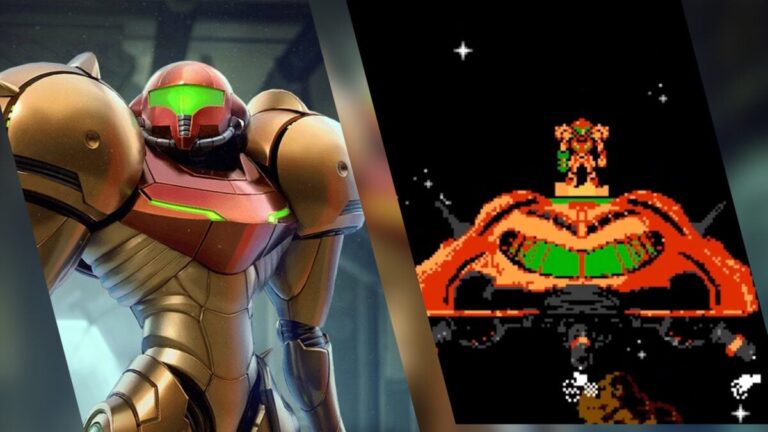
When Nintendo’s most iconic bounty hunter franchise reached its 40th anniversary this year, fans took notice—even if the Japanese gaming giant apparently did not. In response to the silence surrounding Metroid’s milestone, a team of independent developers released Metroid Prime Origins, a 2D demake that reimagines the beloved 2002 GameCube first-person adventure through the aesthetic of the series’ 1986 NES predecessor. The project represents both a love letter to a legendary franchise and a stark reminder of how fan creators often fill voids that official channels leave behind.
A Milestone Without Official Fanfare
Nintendo’s Silence on 40 Years
A review of Nintendo’s official website and X (formerly Twitter) reveals no acknowledgment of Metroid’s four-decade milestone. No commemorative message, no special sale on franchise entries like Metroid Prime 4: Beyond or Metroid Dread, no official celebration to mark the anniversary. For a series that has maintained consistent relevance across generations of gaming hardware and evolving industry trends, the corporate silence stands as an unusual omission.
The Recent History of Metroid Prime
This inattention becomes more notable against the recent trajectory of Metroid releases. Metroid Prime 4: Beyond launched last year after nearly a decade spent navigating development complications, including a complete reboot that forced significant portions of the project to be restarted from scratch. Despite these extended delays, the final product achieved generally positive reception from both critics and players, though some observers felt it lacked the creative vitality that earlier entries in the Prime series had demonstrated. The gap between this recent release and any official 40th anniversary recognition created an opportunity for independent creators to step forward and celebrate what Nintendo did not.
Metroid Prime Origins: From Three Dimensions to Two
The Challenge of Adaptation
Converting Metroid Prime from a first-person three-dimensional exploration game into a two-dimensional side-scrolling format presents substantial design obstacles. The developers needed to preserve the exploratory nature of the original while translating its puzzle-solving mechanics and level design philosophy into a fundamentally different spatial presentation. The resulting demake maintains visual connections to the 1986 original Metroid through deliberate pixel-art styling, creating a sense of historical continuity while remaining mechanically rooted in the GameCube-era gameplay that defined Metroid Prime.
Visual Translation Across Eras
The pixelated aesthetic serves a dual purpose: it honors the franchise’s foundational 8-bit heritage while signaling that this project exists as a reinterpretation rather than a direct port. Players moving through Metroid Prime Origins encounter environments, enemies, and visual design language that connects visually to the NES era, yet these elements have been adapted and reimagined to incorporate the more complex exploration and puzzle design that the Prime series became known for. This bridging of eras through visual presentation demonstrates considerable thought about how to translate not just mechanics but also the emotional and aesthetic identity of the source material.
The Creators and Their Journey
Lv. 4 Games’ Background
Metroid Prime Origins comes from Lv. 4 Games, a small indie studio with a demonstrated track record of approaching established franchises creatively. The team had previously developed Castlevania ReVamped, a fan-created project that applied similar transformative thinking to Konami’s gothic vampire-hunting series. This prior experience informed their approach to reimagining Metroid Prime, suggesting a studio well-versed in the particular challenges of fan-created reinterpretations.
Three Years of Development
According to the creators in a Reddit post announcing the project, Metroid Prime Origins required three years of continuous development. This extended timeline reflects deliberate, meticulous work rather than shortcuts or borrowed assets. The developers made a point of emphasizing that no generative AI contributed to the project’s creation—a deliberate choice underscoring their commitment to handcrafted pixel art and original game design. Every visual frame, every gameplay element, and every interaction represents work completed by human hands and minds.
The YouTube Takedown
The team had prepared promotional material to accompany the demake’s release, including a video trailer. However, the YouTube video faced removal due to unspecified violations of the platform’s terms of service. Despite this setback in distributing promotional content, the project itself remained available to players. Notably, as of their Reddit statement, Lv. 4 Games had not received a cease-and-desist notice from Nintendo. However, the developers expressed full awareness of the precarious legal position they occupied. One team member stated directly: “I know I am now a target of the Nintendo ninjas,” acknowledging the inherent risk in creating fan projects using Nintendo’s intellectual property.
Operating in Nintendo’s Shadow
The reference to “Nintendo ninjas” carries weight given the company’s established track record. Nintendo maintains a consistent and aggressive approach to protecting its intellectual property, pursuing fan projects regardless of whether they generate commercial revenue or demonstrate genuine affection for the franchises they reimagine. Fan creators operate with the understanding that takedown notices could arrive at any moment, regardless of how much care and skill went into their work. The absence of legal action so far provides no guarantee of future protection—Nintendo’s enforcement timeline depends on factors including project visibility, commercial impact, and current litigation priorities.
What makes the situation particularly striking is that fan projects frequently accomplish what official channels do not. Lv. 4 Games created something that celebrated Metroid’s 40th anniversary precisely because Nintendo did not, filling a cultural void that the franchise’s owner left unaddressed. The demake exists as evidence that when corporations lose track of celebrating their own legacies, fan communities will undertake that task themselves.
Why Fan Projects Matter
The release of Metroid Prime Origins illustrates a larger phenomenon in gaming culture. Independent developers and passionate fans have become primary custodians of gaming history and franchise celebration during periods when official corporate channels remain silent. These demakes and fan projects serve multiple simultaneous purposes: they showcase technical skill and creative vision from developing talent; they provide new ways for longtime fans to experience properties they love; they maintain franchises in public conversation during quiet development periods; and they occasionally remind major publishers of the genuine cultural value that fan engagement represents. For Metroid specifically, the 40th anniversary held significant potential. The franchise spans multiple decades, platforms, and gameplay styles, maintaining relevance despite inconsistent official release schedules. That Nintendo chose not to mark this milestone officially means the fan community became the primary source of celebration—and in doing so, they may have inadvertently demonstrated something Nintendo should have recognized from the start.
Frequently Asked Questions
Why did fans create Metroid Prime Origins?
Nintendo did not officially acknowledge Metroid's 40th anniversary with any celebration, sale, or message, prompting indie studio Lv. 4 Games to fill the gap by creating the demake.
Who created Metroid Prime Origins?
Indie studio Lv. 4 Games developed the demake over three years. The studio previously created Castlevania ReVamped, another fan-made game project.
What legal risks does Metroid Prime Origins face?
Though Lv. 4 Games has not received a cease-and-desist from Nintendo as of their announcement, they acknowledge operating in a precarious legal position under Nintendo's aggressive IP enforcement practices.
