
Key takeaways
- Game Freak created Pokémon Champions as a permanent home for turn-based battles while allowing future games to experiment with new mechanics.
- Designer Shigeki Morimoto explained the studio felt obligated to preserve 30 years of tradition while still innovating the franchise forward.
- Legends: Z-A shifted to real-time combat, but Winds and Waves may revert to turn-based play according to internet leaks.
- Champions has already faced technical challenges including balance issues with Incineroar and Mega Staraptor.
The Pokémon franchise maintained the same core battle philosophy for three decades—turn-based combat where players selected moves from a menu, predicted opponent actions, and won through type matchups and strategic team composition. That consistency anchored the competitive scene and shaped how millions of players approached the series. Then Legends: Z-A changed everything by moving to real-time battles, forcing trainers to rethink strategies developed over 30 years of turn-based gameplay.
Game Freak recognized this created a problem. Fans who had invested decades into traditional Pokémon battles suddenly faced a series moving away from what they loved, with no option to preserve their preferred playstyle. The studio’s solution was Pokémon Champions, a battle simulator designed specifically to keep turn-based competitive play alive while allowing future mainline games to continue experimenting with new combat mechanics.
In a video published on Game Freak’s YouTube channel, game designer Shigeki Morimoto and Pokémon Champions co-director Kazumasa Iwao explained the reasoning behind this split approach. Morimoto stated: “the battle system, the rules for competitive Pokémon battles that we’ve been using throughout the Pokémon series for so long, may gradually start changing as the Pokémon series moves forward.” Rather than force longtime players to adapt or abandon the franchise, the team wanted to preserve what made Pokémon battles iconic for the past 30 years.
The Problem With Breaking Tradition
Honoring legacy players
The core issue centered on fairness to players who had spent decades mastering turn-based Pokémon. Morimoto explained: “when that happens, there are people who have been enjoying the existing style of Pokémon battles for decades, going all the way back to Red and Green, Gold and Silver, and so on.” Simply telling these players to switch to a new system felt dismissive. He continued: “So simply saying, ‘The battles have changed, so now please go play the new version,’ didn’t really feel right either. That was something that had been bothering us at Game Freak for quite a while.”
This internal conflict at Game Freak reflected a broader tension in game design—the desire to innovate versus the obligation to respect an established audience. The studio could not ignore three decades of competitive play and learned strategy, yet could not indefinitely maintain the same formula if the franchise wanted to evolve.
The innovation paradox
Game Freak faced competing priorities. The team wanted to push the Pokémon series forward with new mechanics and gameplay concepts, but doing so risked alienating players who defined their Pokémon experience around turn-based strategy. Abandoning turn-based play entirely meant losing a core component of what made Pokémon Pokémon. Preserving it meant constraining future game design.
Champions as the Compromise
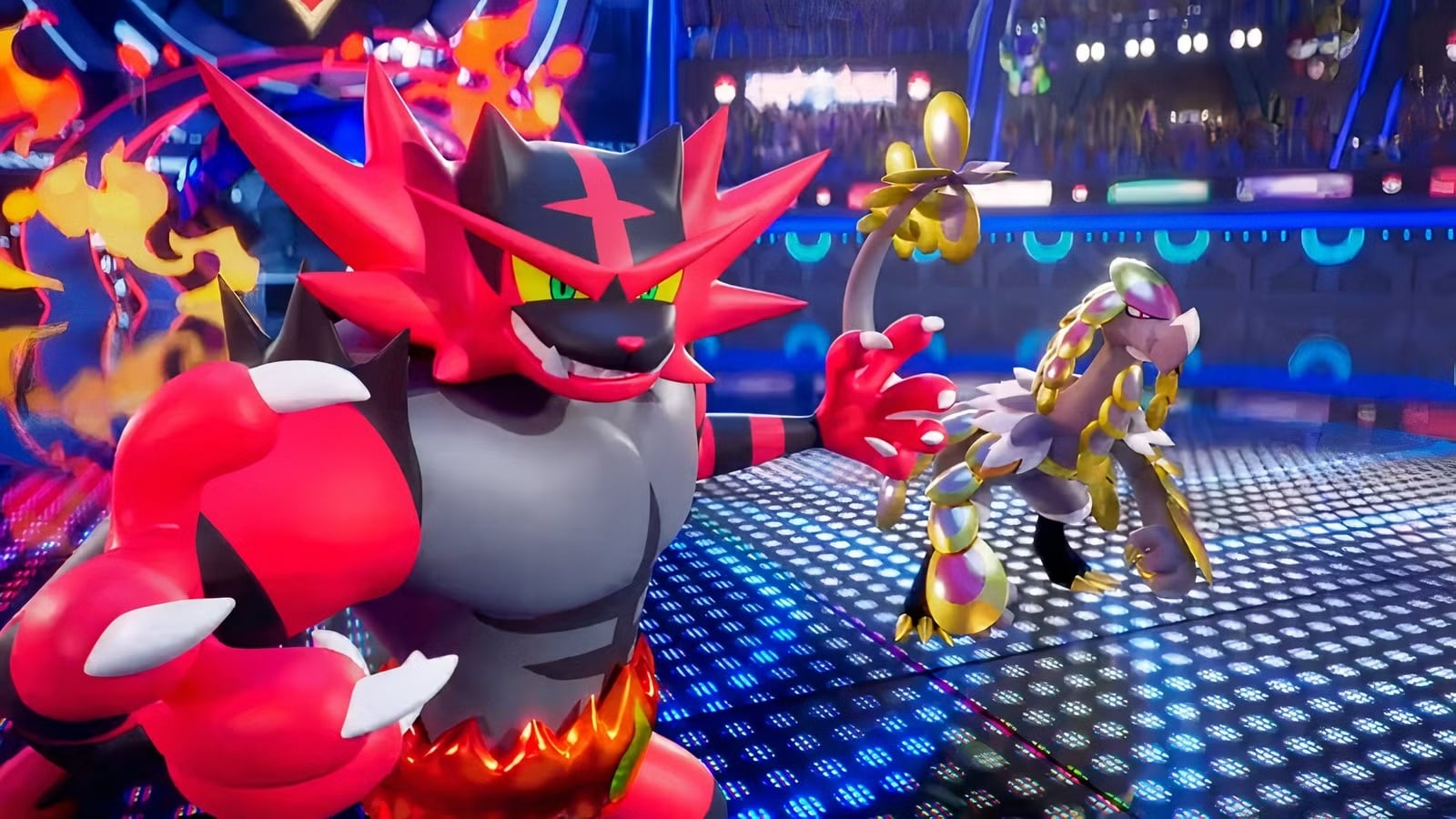
Pokémon Champions emerged as the answer. Rather than force all players into one system or split the playerbase across incompatible games, the battle simulator would become the permanent home for turn-based competitive play. Future mainline Pokémon games could experiment freely with new battle mechanics while Champions guaranteed that traditional players would always have an officially supported place to compete.
Morimoto summarized the philosophy: “maybe it would be good to make one game that carries forward the existing battle system and lets people continue playing it indefinitely. I think that was really the starting point for the development of Pokémon Champions.”
This approach acknowledged something crucial—preserving the past does not require freezing the future. By carving out Champions as a dedicated space for legacy gameplay, Game Freak freed itself to innovate in upcoming titles without abandoning players who preferred the established system.
What This Means for Future Pokémon Games
A blueprint for evolution
Game Freak did not specify exactly what changes future games might introduce beyond Champions. The studio hinted only that battle systems “may gradually start changing as the Pokémon series moves forward.” If Legends: Z-A’s real-time combat serves as a model, future titles could shift further away from traditional turn-based play, potentially blending action mechanics with team strategy in new ways.
However, that transition remains speculative. Legends: Z-A launched on Switch and Switch 2 last year and proved divisive—some players embraced the real-time shift while others resented being forced away from turn-based combat. Not all Pokémon fans welcomed the change, leaving uncertainty about whether real-time play represents the franchise’s future direction or an experimental detour.
Winds and Waves and beyond
Internet leaks suggest that next year’s Winds and Waves will maintain the original turn-based style, signaling that Game Freak may be walking back the dramatic shift Legends: Z-A represented. If accurate, Winds and Waves would represent a compromise between experimentation and tradition—keeping turn-based play in the mainline while allowing Champions to preserve the competitive ruleset indefinitely.
Whatever comes after remains unknown. The studio’s statement suggests a willingness to keep testing new battle mechanics in future generations, but no commitment to any specific direction. The path forward depends on player reception, competitive viability, and Game Freak’s creative ambitions.
The Practical Reality of Champions
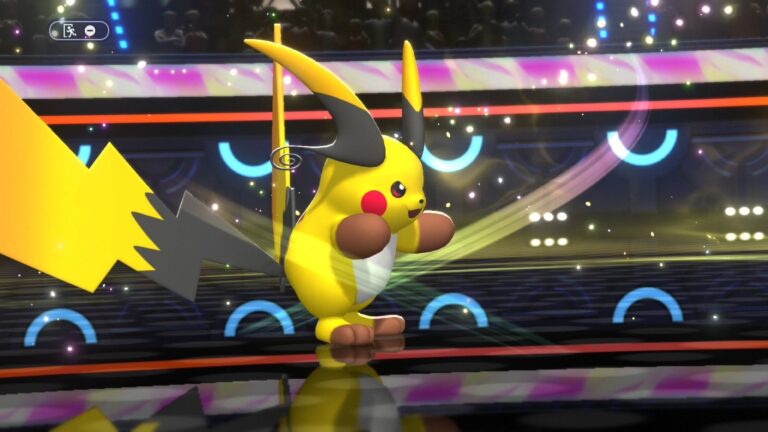
Despite its conceptual elegance, Pokémon Champions has faced technical and balance issues since launch. A newly-discovered bug benefits Incineroar significantly in battle simulations, highlighting challenges in maintaining competitive integrity within the simulator. Mega Staraptor has emerged as overpowered, raising questions about metagame balance. Meanwhile, features like Mega Evolution forms and Raichu’s newly-implemented Mega forms have required ongoing adjustments.
These issues matter because Champions must prove itself as a viable competitive alternative to mainline games. If technical bugs undermine confidence or balance problems make tournaments unfair, the simulator loses its purpose as a trusted home for serious competitive play. Game Freak’s willingness to acknowledge and address such problems suggests commitment to making Champions work long-term, but execution remains critical.
A Franchise at a Crossroads
Pokémon faces a genuine inflection point. Three decades of turn-based tradition collided with the desire to evolve, and the franchise could not split the difference indefinitely. By positioning Champions as the permanent custodian of turn-based gameplay, Game Freak bought itself room to experiment. Future games can introduce new mechanics without abandoning players who built their understanding of Pokémon around a specific ruleset.
The strategy reveals sophisticated thinking about game design and player psychology. Not every franchise would preserve its legacy system this deliberately. Yet Pokémon’s history runs deep enough that simply discarding 30 years of established play felt wrong to the people who built it.
Whether Champions succeeds and whether future games successfully innovate without fracturing the playerbase remains to be seen. But Game Freak has at least attempted to honor both the past and the future—a delicate balance few franchises ever achieve.
Frequently Asked Questions
Why did Game Freak create Pokémon Champions?
Game Freak created Champions to preserve turn-based competitive Pokémon battles for players who have enjoyed the system for 30 years, while allowing future mainline games to experiment with new battle mechanics without abandoning the traditional playerbase.
What does this mean for future Pokémon games?
Future Pokémon games may continue to evolve their battle systems beyond turn-based gameplay, potentially using real-time mechanics like those in Legends: Z-A, while Champions remains as the permanent home for traditional turn-based competitive play.
Is Winds and Waves going to have turn-based battles?
Internet leaks suggest Winds and Waves will maintain the original turn-based battle style, signaling a possible retreat from the real-time direction established by Legends: Z-A.
