
Key takeaways
- Paralives developers are addressing community criticism of disproportionate baby characters with visual improvements coming August 10th.
- The redesigned infants feature larger eyes and corrected proportions to better reflect realistic human development.
- Some players appreciated the original medieval-art-like aesthetic, showing the subjective nature of character design preferences.
Paralives, the upcoming life-simulation game positioning itself as a creative alternative to The Sims, faces its first design controversy—but one that’s drawing attention for all the right reasons. The game’s representation of babies has become a point of discussion within the early access community, with players expressing concern about the visual presentation of infant characters. Rather than dismissing feedback, the development team at Paralives has acknowledged the concerns and committed to revising the character model before the game’s continued development.
The Visual Problem
Player Observations
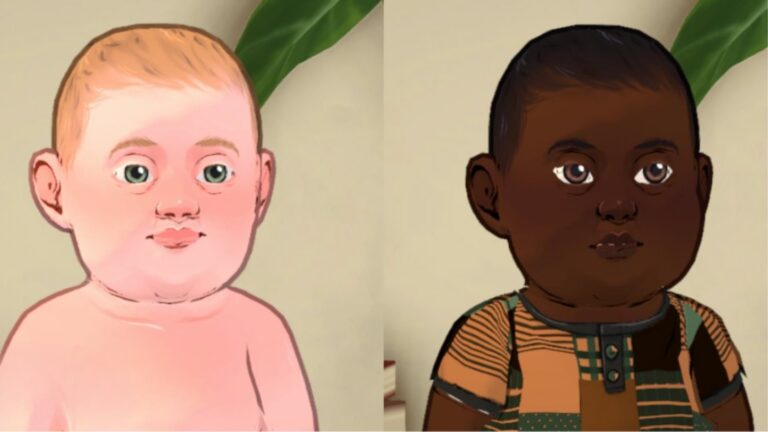
The complaints centered on specific visual inconsistencies in how the game renders infant characters. Players noticed that newborns and young babies displayed facial features that seemed disproportionate to normal human infancy. The most commonly cited issue involved the eyes—small relative to the head and positioned in ways that undermined the essential characteristics of infant appearance. Additionally, some players observed that the babies carried what appeared to be dark circles or bags beneath their eyes, creating an impression of exhaustion that seemed inappropriate for characters meant to represent newborns.
Specific Design Issues
The root cause of the visual problem appears to stem from proportional imbalance. Realistic infant anatomy features disproportionately large heads relative to body size, with correspondingly larger eyes and facial features. Paralives’ babies, by contrast, displayed smaller eyes positioned in the center of oversized faces, creating a visual uncanny valley effect. One particularly striking example involved a baby character who appeared to have begun developing facial hair—described by players as resembling film director John Waters if hit with a Babality attack from Mortal Kombat—that seemed completely out of place on an infant character.
Community Response
Players responded to these design choices with a mixture of humor and legitimate criticism. The discussion highlighted a fundamental design principle: players expecting a life-simulation experience needed visual representations that matched realistic human development stages. When infant characters appeared prematurely aged or carried features suggesting stress and fatigue, it undermined the immersion that players sought from the genre.
Developer Accountability
Recognizing the Issue
The development team at Paralives demonstrated responsiveness by directly acknowledging the complaints. Rather than defending the original design choices, the developers confirmed they were aware of the feedback and already working on improvements. This approach—validating player concerns and committing to fixes—sets a positive precedent for early access development, where iterative feedback and community input drive design decisions.
Commitment to Change
The studio announced that revised baby character models would arrive in a patch scheduled for August 10th. This timeline placed the fix within weeks of the complaint becoming prominent in the community, suggesting that the development priorities aligned with player experience. The announcement included a preview of the updated character design, demonstrating that the team had already progressed beyond initial acknowledgment to implementation.

Design Improvements
Updated Character Models
The revised babies feature adjustments to proportions and facial characteristics. While specific technical details about the changes remain limited, the preview images indicate that the new design brings infant characters more in line with realistic human proportions. The updated eyes appear larger and better positioned, and the overall facial structure seems more appropriate for characters representing early childhood.
Visual Consistency
The improvements represent an effort to ensure that Paralives’ character representation maintains consistency with player expectations for a life-simulation genre. In games where players invest in relationships and family dynamics, the visual authenticity of character models—particularly at different life stages—contributes significantly to emotional engagement. Babies that look inappropriately aged or stressed would undermine the satisfaction players derive from building families and watching simulated lives progress.
Community Division
Nostalgia for Original Design
Interestingly, not all players welcomed the changes. Some community members expressed appreciation for the original baby design, comparing them to historical artistic depictions of infants. Medieval and Renaissance paintings frequently featured babies that appeared more mature than their actual age—partly due to artistic conventions and partly reflecting how artists of those periods interpreted infant anatomy. This unintended parallel became a point of appreciation for players who found the original design charmingly unconventional.
Aesthetic Preferences
The debate illustrated a broader principle in game design: subjective visual preferences vary widely among players. While the majority of feedback centered on improvement and redesign, the existence of players defending the original aesthetic demonstrated that even “ugly” character designs can find appreciation within a community. The developers’ decision to proceed with the update anyway reflected their vision for the game’s overall tone and their assessment of what would serve the broader player base most effectively.
Early Access Development Challenges
Ongoing Refinement
Paralives remains in early access, a development stage that inherently involves iterative improvement and community-driven refinement. The baby redesign represents just one of numerous adjustments the game requires as it moves toward full release. The development team has noted that gameplay systems require attention beyond character visuals, indicating a complex roadmap ahead.
Balancing Feedback and Vision
Early access development creates tension between honoring player feedback and maintaining the developers’ original creative vision. The decision to redesign the babies while allowing some community members to miss the original aesthetic suggests the team recognizes both the value of listening to players and the importance of maintaining confident creative direction. This balance becomes critical as Paralives competes for attention in a market dominated by The Sims franchise and other established life-simulation titles.
Looking Forward
The baby redesign represents more than a simple visual fix—it demonstrates how a smaller development studio can respond to community feedback with transparency and speed. As Paralives continues development toward full release, similar iterations will likely occur across multiple systems and characters. The game’s position as an alternative to The Sims depends partly on whether players trust that the development team takes their feedback seriously and implements meaningful improvements.
The August 10th patch will provide the first concrete test of whether the revisions address the community’s concerns effectively. The successful resolution of this design issue could establish goodwill heading into future development phases, while the quality of the implementation will signal to players how the team handles broader creative decisions throughout the game’s development cycle.
Frequently Asked Questions
When are the redesigned baby characters arriving?
The updated baby characters are scheduled to arrive in a patch on August 10th.
What specific visual problems did players identify with the original babies?
Players noted that the babies had bags under their eyes, small eyes positioned in the center of oversized faces, and at least one infant appeared to be developing facial hair, making them look prematurely aged.
Is Paralives positioned as an alternative to any existing franchise?
Yes, Paralives is being positioned as a creative alternative to The Sims life-simulation franchise.
