
Key takeaways
- Sony’s subscription price increase marks the latest in a series of aggressive pricing moves that have frustrated the gaming community.
- Price increases would carry less sting if PlayStation Network remained stable, but recent outages have compounded user frustration.
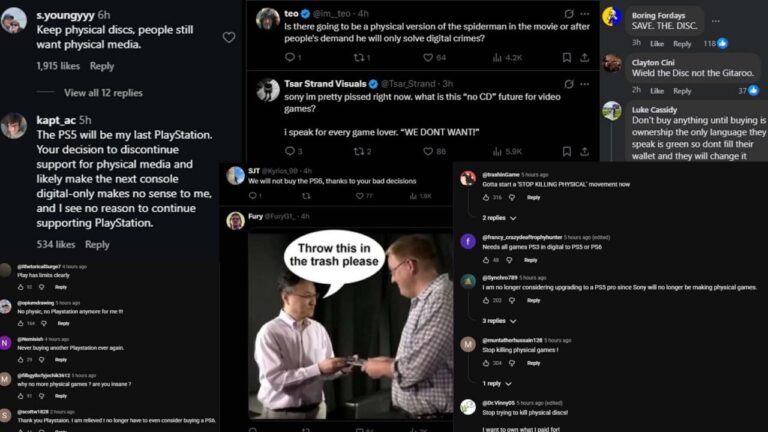
- Beyond pricing and service outages, Sony’s new digital rights management policy has sparked intense scrutiny from players concerned about ownership and offline access.
- Beyond subscription costs, Sony faces criticism for publisher pricing practices on its platform.
Sony announced PlayStation Plus subscription price increases effective May 20, 2026, raising the Essential tier from $9.99 to $10.99 for one-month plans and from $24.99 to $27.99 for three-month plans, igniting widespread anger across gaming communities. The price hike arrives amid a series of service failures, controversial digital rights management policies, and aggressive pricing practices that have left PlayStation users questioning the value proposition of Sony’s gaming ecosystem. Social media platforms and gaming forums have erupted with criticism as players grapple with compounding costs and service reliability issues.
The Cascade of Price Increases
Sony’s subscription price increase marks the latest in a series of aggressive pricing moves that have frustrated the gaming community. The Essential tier adjustment follows earlier hardware price hikes that pushed the PS5 to $649.99 and the PS Portal handheld device to $249.99 in 2026, creating a pattern gamers describe as “steady price increases with limited value.” Sony attributed the subscription increase to “ongoing market conditions,” a statement that failed to quell the backlash.
The timing proves particularly contentious given the broader economic pressures facing consumers. PlayStation Plus Premium subscriptions reached 23.7 million in 2025, representing a 9% year-over-year increase, with total PlayStation Plus subscribers across all tiers hovering near 50 million. Despite these subscriber gains, the price hikes suggest Sony is prioritizing revenue growth over user satisfaction during a period when service quality remains inconsistent.
Service Reliability at the Center of Anger
Price increases would carry less sting if PlayStation Network remained stable, but recent outages have compounded user frustration. A major PSN outage on a recent Saturday left tens of thousands unable to access online services, stores, and multimedia applications simultaneously. The outage affected account management, gaming connectivity, social services, PlayStation Video, the PlayStation Store, and PlayStation Direct—essentially crippling core functionality across the platform.
This represents the second significant PSN failure in recent months. The network experienced multiple hours of downtime in October 2025, creating a pattern of unreliability that undermines confidence in Sony’s infrastructure. Users paying premium prices for subscription services expect consistent access to the platforms they fund, making these repeated failures particularly damaging to PlayStation’s reputation.
Controversial DRM Implementation Fuels Debate
Beyond pricing and service outages, Sony’s new digital rights management policy has sparked intense scrutiny from players concerned about ownership and offline access. Sony confirmed that digital games purchased after the March 2026 PS5 system update require an online connection at least once every 30 days to validate licenses, with the company initially suggesting this would be an ongoing recurring check. The policy prevents workarounds, as setting a console as “primary” or using offline modes does not bypass the validation requirement, and games will not launch if the system remains offline beyond the 30-day window.
Following backlash, Sony clarified that the online check represents a one-time verification to confirm license validity, after which no further checks are needed. However, the initial messaging created significant concern about Sony’s direction on digital ownership and offline play. This clarification, issued to GameSpot, aimed to calm user fears but arrived only after the damage to player trust had been done, reinforcing perceptions that Sony prioritizes corporate interests over consumer transparency.
Pricing Practices Draw Accusations of Exploitation
Beyond subscription costs, Sony faces criticism for publisher pricing practices on its platform. The PlayStation Store removed the base version of Tales of Arise, priced at $9.99, and replaced it exclusively with the “Beyond the Dawn Edition” at $50—a move players characterize as “disgusting” price gouging. This practice, where publishers bundle minor extras to inflate prices, represents a broader trend that removes consumer choice and forces players toward premium-priced editions.
The Tales of Arise situation exemplifies how PlayStation’s digital storefront has become a vehicle for aggressive monetization. With the base game no longer available on PS4 or PS5, players seeking the original experience have no alternative but to pay the inflated edition price. This strategy, while not exclusively Sony’s responsibility, reflects a platform environment where such practices face minimal friction.
A Pattern Emerges Amid Growth Metrics
Paradoxically, PlayStation continues to post strong business metrics despite the backlash. PS5 sales reached 92.2 million units globally by February 2026, and the platform maintains 132 million monthly active users as of December 2025. The PS5 Pro’s PlayStation Spectral Super Resolution technology now boosts resolution for over 50 titles, with the rollout announced in February 2026, demonstrating Sony’s continued investment in premium hardware experiences.
These figures suggest that while vocal communities express frustration online, the broader player base continues engaging with PlayStation services. However, subscriber growth and hardware sales figures mask underlying sentiment issues that could impact long-term loyalty. Players may tolerate current conditions due to exclusive game libraries and existing investment in the ecosystem, but cumulative frustration creates vulnerability to competition.
Structural Changes Signal Strategic Recalibration
Sony announced plans to phase out “PlayStation Network” and “PSN” branding by September 2026, replacing these with unified digital service branding. The change remains visual only, with core features including friends lists, multiplayer functionality, and trophy systems remaining unaffected. The rebranding aims to reflect Sony’s “evolving digital services,” though timing alongside other controversies has drawn speculation about whether the name change represents an attempt to distance the brand from accumulated service failures.
Meanwhile, Grand Theft Auto 6 is confirmed for release on November 19, 2026, with reports indicating retailers are boycotting pre-orders amid backlash over Rockstar’s handling of game marketing and pricing. The flagship title’s launch window provides Sony an opportunity to rebuild goodwill through compelling exclusive content and improved service stability.
The Road Ahead for PlayStation’s Reputation
PlayStation’s next critical test arrives with the May 20, 2026 price increase implementation and the September 2026 branding transition. Service stability during peak periods, transparent communication about DRM policies, and restraint on aggressive pricing practices will determine whether Sony can reverse negative sentiment. The company’s willingness to clarify DRM policies demonstrates responsiveness, but only consistent action across all areas will restore confidence.
Sony faces a defining moment where business metrics mask genuine player frustration. The gaming community is watching whether the company prioritizes short-term revenue extraction or long-term ecosystem health. Actions taken in the coming months will establish whether PlayStation emerges from this period strengthened or diminished in player trust.
