
Key takeaways
- Buried Below strips away the excess of mainstream horror to focus on pure atmospheric dread and survival mechanics.
- The horror gaming landscape has shifted dramatically toward smaller, focused experiences that respect genre conventions rather than attempt to revolutionize them.
- Horror game designers have long understood that the most effective scares exploit the player’s own expectations.
- The concept of terror emerging from beneath the surface carries historical weight in horror gaming.
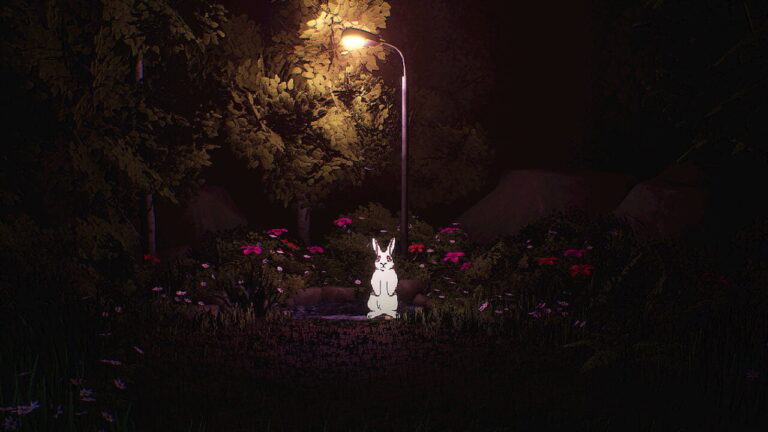
Aura Studios is launching Buried Below, an atmospheric survival horror experience, in summer 2026, with a free demo currently available to players seeking their next terror-filled experience. The game forces players into the role of hunted survivors who must use stealth, hide in darkness, and create distractions to evade what lurks beneath the surface. This upcoming indie title represents a significant shift in how horror games approach the “buried threat” narrative, combining resource scarcity with relentless supernatural pursuit.
A New Standard for Underground Terror
Buried Below strips away the excess of mainstream horror to focus on pure atmospheric dread and survival mechanics. Players navigate oppressive underground environments where visibility is limited, supplies are scarce, and the unseen threat below grows closer with each passing moment. The game’s design philosophy hinges on creating spaces where players believe they are momentarily safe, only to have that security violently invaded by the horrors that hunt them.
The free demo, now available as BBDemoV5.zip, has already generated substantial player interest within the indie horror community. Aura Studios structured the full release for summer 2026, giving the development team time to refine the core mechanics of evasion and environmental interaction that define the experience. This extended development window reflects the studio’s commitment to delivering a polished product rather than rushing an unfinished title to market.
Why Grave-Digging Horror Resonates Now
The horror gaming landscape has shifted dramatically toward smaller, focused experiences that respect genre conventions rather than attempt to revolutionize them. Industry analysts have noted that indie developers achieve the strongest results by adhering to proven horror tropes—dark environments, relentless pursuers, and the constant threat of death—rather than overextending into open-world designs that dilute fear. Buried Below exemplifies this philosophy by constraining the player experience to a specific underground setting where every shadow could conceal danger.
This trend extends beyond Buried Below. Other titles like The Gravedigger task players with digging up graves at a local church to loot valuables while demonic activity escalates, requiring players to find and return burnt bones to halt the supernatural corruption that worsens each night. The Gravedigger demonstrates how the grave-digging mechanic itself creates tension: players must remain in dangerous spaces longer to complete their objective, directly contradicting the survival instinct to flee. Similarly, Dig, Dig, Die, a co-op comedy horror title supporting up to six players, has players acting as pirates who dig up cursed crypts and coffins while monsters respond to every sound, punishing screaming and careless noise-making.
Design Philosophy Behind the Fear
Horror game designers have long understood that the most effective scares exploit the player’s own expectations. Mason Smith, speaking at GDC 2021, articulated this principle: “You can identify spaces that the player considers safe, and then you can invade that.” This design strategy applies directly to grave-digging horror games, where the act of looting creates a false sense of purpose and safety. The player believes they control the situation by gathering resources, but the game systematically demonstrates that no space is truly secure.
Resource limitation amplifies this psychological pressure. Michel Sabbagh from Herring Studios established in 2015 that “limiting the players’ resources is the best way to increase their panic and encourage methodic problem-solving.” Games like Buried Below and The Gravedigger implement this principle through restricted visibility, limited supplies, and the constant need to manage light sources or escape routes. Players cannot simply overpower their threats; they must think strategically, manage fear, and accept that some encounters cannot be won through combat.
The Evolution of “What Lurks Below” Horror
The concept of terror emerging from beneath the surface carries historical weight in horror gaming. Still Wakes The Deep, a Lovecraftian horror experience, traps players on an oil rig in the North Sea with an incomprehensible monster rising from the ocean depths. The game’s central thesis—”we never stood a chance”—resonates with the design philosophy underlying Buried Below and similar titles. Both games position the player as fundamentally outmatched by forces beyond human comprehension or combat capability, forcing reliance on avoidance rather than confrontation.
The grave-digging subgenre specifically inverts the traditional treasure-hunting fantasy. Where classic adventure games reward players for looting tombs and crypts, modern horror games punish that same impulse by making every excavation an act of desecration that awakens dormant supernatural threats. This inversion creates cognitive dissonance that heightens psychological impact.
Multiplayer Horror Expands the Market
While Buried Below emphasizes solo survival, the broader grave-digging horror space is expanding to include cooperative experiences. Dig, Dig, Die’s support for up to six players represents a significant market shift toward social horror gameplay. Players must coordinate their grave-robbing activities while managing sound levels and monster aggression, creating scenarios where communication becomes as critical as stealth. This multiplayer dimension opens horror gaming to audiences who find solo experiences too isolating or psychologically demanding.
The competitive landscape for horror games in 2025 and 2026 now includes diverse approaches to the same core themes. Indie developers are producing multiple interpretations of the “buried threat” concept, each with distinct mechanics, tones, and player counts. This diversity suggests that the grave-digging horror subgenre has moved beyond novelty into established market territory.
What Comes Next for Underground Horror
Buried Below’s summer 2026 launch will test whether the current appetite for focused, atmospheric horror translates into commercial success for a smaller studio. The free demo currently available serves as both a marketing tool and a genuine invitation for players to experience Aura Studios’ vision before committing to the full release. Success here could encourage additional indie developers to invest in confined, resource-scarce horror experiences rather than pursuing larger, open-world projects.
Players interested in grave-digging horror have multiple entry points available now and in the near future. Whether through Buried Below’s upcoming release, The Gravedigger’s supernatural loot-gathering mechanics, or Dig, Dig, Die’s multiplayer chaos, the market is actively developing this subgenre. The next twelve months will reveal whether these titles capture sustained player interest or represent a temporary trend within indie horror development.
