
Key takeaways
- Microsoft increased Xbox Series S and X prices up to 42% in Europe and UK, with the 1TB disc model rising $230 to nearly $900.
- The company attributed the hikes to a components crisis affecting storage and memory costs, expecting another doubling by fall 2027.
- By delaying disclosure of regional pricing after announcing US increases in June, Microsoft controlled the narrative around the particularly steep European price adjustments.
- The aging console generation now commands premium pricing that may push consumers toward alternative platforms or used hardware.
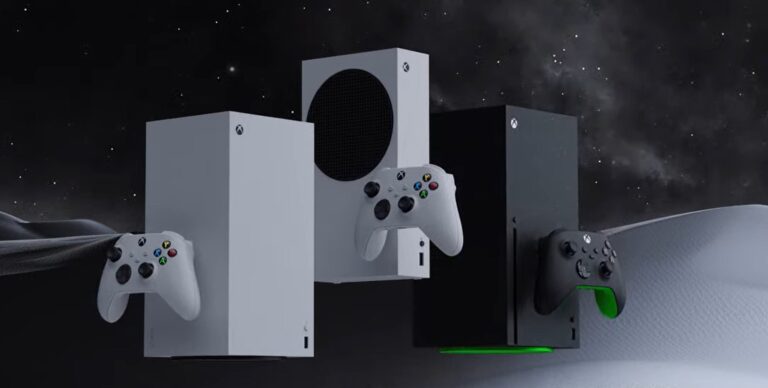
In a move that will sting European and UK gamers, Microsoft has implemented substantial price increases across its Xbox Series console lineup, effective August 1st. While the company provided advance notice of the hikes in June, it conspicuously withheld information about just how steep the increases would be outside the United States—a strategic omission that became apparent once regional pricing was finally disclosed.
The Cost of Gaming Just Got Steeper
The numbers tell a sobering story for consumers in the region. The 512GB Xbox Series S, once priced at €349.99 and £299.99, now commands €499.99 and £429.99 respectively—a jump equivalent to roughly $580. That represents a price swing of 42 percent in euro territories and 43 percent in the UK.
The situation deteriorates further for those interested in the more capable hardware. The 1TB Xbox Series X with disc drive capability has climbed from €599.99 and £499.99 to €799.99 and £669.99, representing a price point approaching $900. This particular adjustment amounts to a $230 increase in dollar terms, making the nearly six-year-old console increasingly difficult to justify as a consumer purchase in an increasingly crowded entertainment market.
Regional Pricing Disparities Reveal Strategic Timing
Microsoft’s decision to announce US pricing while remaining silent on European and UK figures suggests the company anticipated consumer backlash. The company provided its initial June warning about global increases without specifying the magnitude of those hikes outside North America. Only after US consumers had absorbed the news did Microsoft reveal the substantially larger percentage increases affecting European markets.
The Full Scope of Increases
Across the product range, European consumers face between 40 and 42 percent increases on their preferred configuration, while UK pricing reflects comparable percentage jumps. These figures represent some of the largest mid-generation console price adjustments in recent console history.
Microsoft Points to Component Scarcity
When initially announcing the increases in June, Microsoft attributed the decision to what it described as a “current components crisis.” The company elaborated on this justification by highlighting the specific pressures affecting console manufacturing: storage and memory component prices have escalated by more than 2.5 times their previous levels.
The situation is projected to worsen before improving. Microsoft expects these critical components to experience another doubling in cost by fall 2027. According to the company’s statement, the entire consumer electronics industry faces struggles with the ongoing component availability and pricing situation, but consoles experience disproportionate impact given their storage and memory intensity compared to other electronics categories.
The Broader Industry Context
Microsoft is not alone in facing component-related pressures. However, the company’s position as a technology giant with diversified hardware and software interests places the component crisis in a broader context. The company has invested hundreds of billions of dollars into constructing artificial intelligence datacenters in recent years—a massive capital allocation that some observers suggest may contribute to the broader demand pressures affecting semiconductor markets and storage component availability.
Timing Raises Questions About Messaging
The gap between Microsoft’s initial June announcement and the European price disclosure suggests the company anticipated the regional pricing would generate significant criticism. By allowing several weeks to pass before revealing the full scope of increases, Microsoft reduced the ability of consumers to coordinate responses or retailers to adjust their purchasing strategies in advance.
Industry observers have also noted shifts in executive communication regarding Xbox’s market position. Satya Nadella’s public commentary on the Xbox division has taken a noticeably different tone compared to previous years, suggesting potential strategic reassessment within the organization’s leadership. Simultaneously, Asha Sharma, a key figure in Microsoft’s gaming initiatives, has expressed ambitions to reach halfway to a billion daily users across the company’s gaming ecosystem within four years—a target that requires substantially different market dynamics than current pricing suggests.
Consumer Affordability at a Breaking Point
The practical implications of these increases warrant consideration. A console that launched nearly six years ago at considerably lower price points now carries a cost structure comparable to entry-level gaming PCs in some markets. The €799.99 price point for the disc-equipped Series X positions the hardware at a significant premium relative to its original launch MSRP and creates a challenging value proposition for consumers evaluating their entertainment technology investments.
The Market Response Question
Whether consumers will absorb these increases or migrate to alternative platforms remains uncertain. Nintendo’s comparatively lower price point for Switch hardware and Sony’s PlayStation 5 pricing provide alternative reference points for consumers. The used console market may also see increased activity as current owners evaluate whether upgraded specifications justify retention versus liquidation at still-reasonable secondary market prices.
Looking Forward: Supply Chain Trajectories
Microsoft’s projection that component costs will double again by fall 2027 suggests the company anticipates an extended period of elevated hardware pricing. This timeline raises questions about whether the Xbox Series generation will maintain competitive positioning through the remainder of its lifecycle, particularly if component prices continue escalating while the console ages further without a successor announcement.
The component crisis explanation, while factually documented across the electronics industry, does not fully account for all factors influencing Microsoft’s pricing decisions. The company’s massive investments in AI infrastructure and the competitive dynamics of the gaming market both contribute context to understanding these increases beyond simple supply chain mechanics.
Frequently Asked Questions
How much did Xbox Series S prices increase in Europe?
The 512GB Xbox Series S increased from €349.99 and £299.99 to €499.99 and £429.99, representing approximately a 42-43% increase or roughly $580.
What is the new price of the Xbox Series X with disc drive in the UK?
The 1TB Xbox Series X with disc drive now costs £669.99, up from £499.99—an increase of $230 in dollar terms and approximately 43% in local currency.
Why did Microsoft increase console prices?
Microsoft attributed the increases to a components crisis, noting that storage and memory prices have increased 2.5 times and are expected to double again by fall 2027, affecting console manufacturers disproportionately hard.
