

Key takeaways
- The shift to digital-only distribution removes the infrastructure that made budget re-releases viable in the first place.
- The economics of digital distribution have fundamentally changed how publishers approach legacy titles.
- Only a handful of legacy titles remain available as standalone budget re-releases under $20 on modern consoles, representing the last gasps of a once-thriving market segment.
- Dr. Serkan Toto has stated unequivocally that “like it or not, but there can be no doubt that the future is digital.
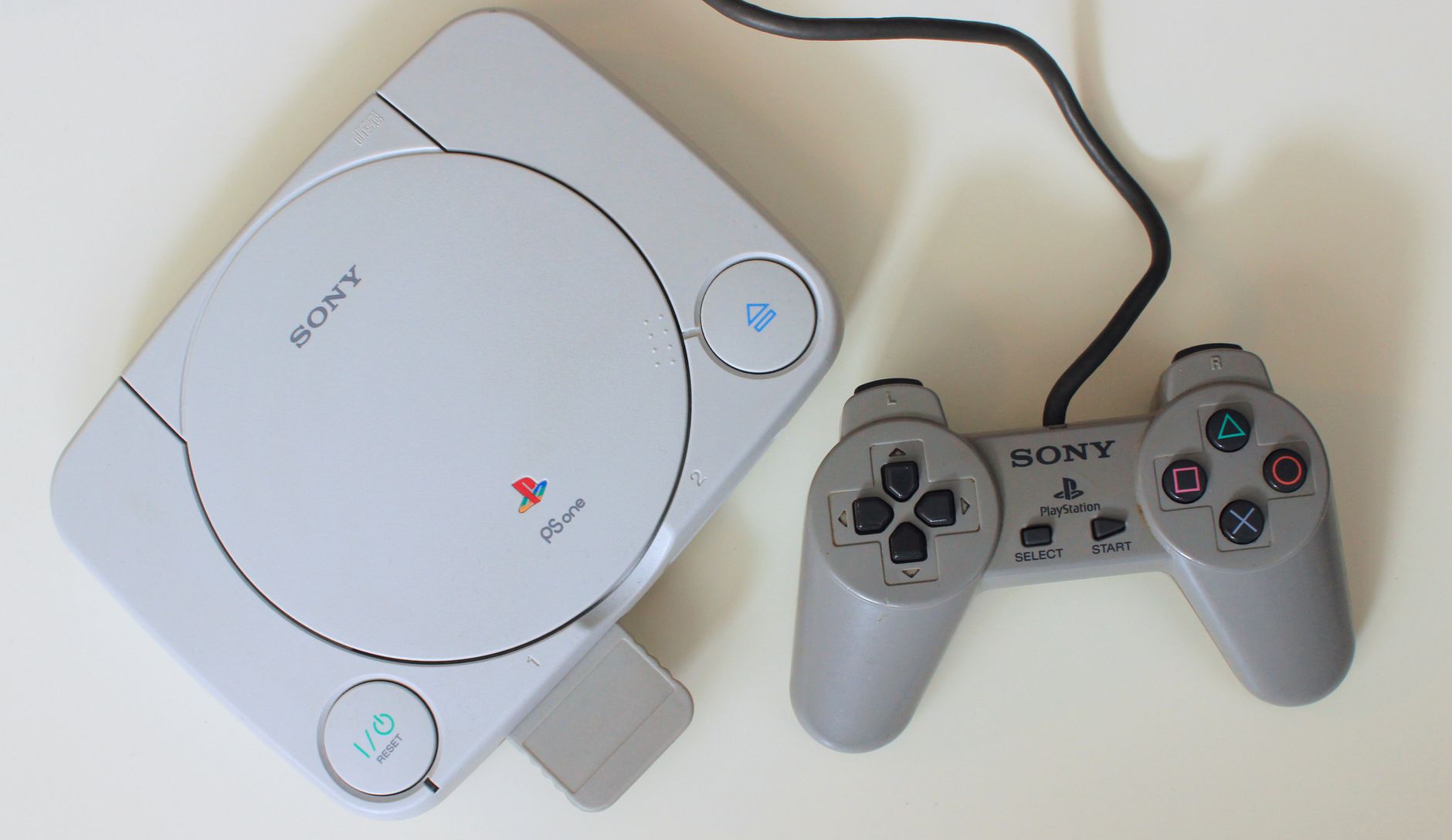
Sony’s announcement that physical disc production for all new PlayStation games will cease in January 2028 marks the final nail in the coffin for budget label re-releases, a retail tradition that once defined how millions of players accessed classic games affordably. The decision, announced July 1, 2025, by Sid Shuman, Senior Director of Global Content Communications at PlayStation, eliminates the physical medium where budget releases like Greatest Hits and Essentials have thrived for decades. With 95 percent of video game sales in the U.S. now digital, the $20 physical re-release model has become economically obsolete for publishers chasing higher profit margins.
The Death of Physical Distribution and the Budget Model
The shift to digital-only distribution removes the infrastructure that made budget re-releases viable in the first place. Physical discs required retail shelf space, manufacturing costs, and a pre-owned market—all elements that justified the lower price point and made older games accessible to budget-conscious players. Without physical media, platform holders gain complete pricing control over their digital storefronts, eliminating the need for discounted re-releases that competed with full-price digital versions.
Publishers now keep up to 54 percent more revenue when games sell digitally rather than on disc, according to analysis by industry consultant Dr. Serkan Toto, CEO of Kantan Games. This financial incentive has made the lower-margin physical re-release strategy untenable. In 2023, the International Trade Administration reported that 95 percent of video game sales in the U.S. were digital, leaving the physical budget bin as a tiny niche that no longer justifies production investment.
The Profitability Problem: Why Publishers Abandoned Budget Releases
The economics of digital distribution have fundamentally changed how publishers approach legacy titles. Where budget re-releases once provided a steady revenue stream from players who couldn’t afford full-price games, digital storefronts now allow publishers to simply lower prices temporarily during sales without the production costs of physical manufacturing. This model maximizes profit margins while maintaining control over pricing strategy.
Capcom’s trajectory illustrates this industry-wide shift. The company revealed that roughly 89 percent of its game sales are digital copies, with expectations to reach 94 percent in 2024. This commitment to digital profitability was underscored by the release of Kunitsu-Gami: Path of the Goddess as a $50 digital-only title with no physical version. When asked at shareholder meetings whether they would continue making physical games, Capcom’s focus on digital-only distribution confirmed the company’s abandonment of the traditional budget re-release pipeline entirely.
What Remains: Rare Survivors of a Dying Format
Only a handful of legacy titles remain available as standalone budget re-releases under $20 on modern consoles, representing the last gasps of a once-thriving market segment. Shadow of the Colossus remains available on PS4 and PS5 for $20, while Tony Hawk’s Pro Skater 1 + 2 individual titles cost between $12 and $18—though the bundle sells for $75. Super Mario Bros. 3 is accessible via the NES Collection on Switch Online for $20 per year, though this subscription model differs fundamentally from traditional physical re-releases.
These exceptions prove the rule: all surviving budget re-releases are games originally released before 2010. Their continued availability at low prices highlights the scarcity of the format, as most modern re-releases are now rebranded as digital-only “remasters” at full or near-full price. The industry has pivoted entirely away from the budget re-release model toward high-budget remakes like Assassin’s Creed Black Flag Resynced and Resident Evil 3 Remake, which command premium pricing despite being based on existing properties.
Industry Voices: The “Irreversible” Shift Toward Digital
Dr. Serkan Toto has stated unequivocally that “like it or not, but there can be no doubt that the future is digital. Once people are starting to download games, they are likely never going back to buy them physically.” This prediction reflects a consensus among industry analysts that the transition is irreversible and will accelerate as physical disc production ends entirely. Publishers no longer invest in the physical production costs required for budget label re-releases, which depend on disc manufacturing and retail shelf space that is disappearing.
The shift has created a new problem for price-conscious consumers: the emergence of the $25 price point as a crucial barrier for sales. Research indicates that sales of new PC titles priced below $30 surged 156 percent since 2022, suggesting consumers increasingly opt for affordable indie or budget options. However, this demand favors new low-cost titles rather than re-released legacy games on a budget label, fundamentally altering the market landscape that once sustained the re-release industry.
A Tradition Spanning Decades Now Consigned to History
The budget re-release model was not always a niche concern. In the 1980s, budget games accounted for more than half of all software sales, with Gallup estimating that 60 percent of games sold that year were budget titles. Mastertronic, a major budget publisher with labels including M.A.D. and Ricochet, claimed its releases accounted for 15 percent of the UK leisure software market during this era. These budget titles made gaming accessible to players with limited pocket money, creating a pathway into the hobby that shaped an entire generation of gamers.
Today’s landscape bears no resemblance to that thriving ecosystem. Budget re-releases have transformed from a market half into a niche exception, driven entirely by the shift from physical “pocket money” software to digital libraries controlled by platform holders. The tradition that once democratized gaming access has been replaced by full-price digital storefronts and expensive remakes designed to maximize revenue per title.
The Road Ahead: Monitoring the Final Transition
The January 2028 deadline for PlayStation physical disc production represents the final milestone in a transition already well underway. Between now and that date, publishers will likely clear remaining inventory of physical re-releases while making final decisions about whether to maintain any legacy titles in discounted digital form. The industry will watch whether Nintendo and Microsoft follow Sony’s lead in abandoning physical production, which would effectively end the format across all major platforms simultaneously.
What emerges from this transition will be a gaming market fundamentally reshaped by the economics of digital distribution. Players seeking affordable access to classic games will find themselves navigating subscription services like PlayStation Plus or Nintendo Switch Online rather than browsing discount bins for budget-priced discs. The tradition of the budget re-release—a cornerstone of gaming retail for four decades—will exist only in the memory of players old enough to remember when gaming meant hunting for bargains on store shelves.
