
Key takeaways
- Nvidia's DLSS 5 AI upscaling tool leaked early, and modders found it dramatically alters games' artistic styles by pursuing unrealistic hyperrealism.
- The technology strips character faces down to generic features trained on marketing photography, de-stylizing everything from realistic games to stylized JRPGs.
- DLSS 5 cuts framerates in half while delivering aesthetic results most players find visually disturbing rather than appealing.
- The tool is scheduled for fall 2026 release, despite widespread negative reaction suggesting players may resist technology that overrides developer artistic intent.
Nvidia’s controversial DLSS 5 technology has leaked in an early form, and modders have wasted no time testing the generative AI upscaling tool on a wide range of games—with mixed results ranging from technical impressiveness to what can only be described as visually disturbing.
The tool, announced in March amid significant industry skepticism, uses machine learning to render games with heightened graphical realism by fundamentally altering character appearance and artistic style. The early reactions from the modding community reveal a technology that, while technically capable, may not align with what players actually want from their games.
DLSS 5 and the Artistic Intent Problem
DLSS 5 operates by applying generative AI to upscale game visuals, with the goal of making characters and environments appear more photorealistic. Nvidia’s pitch emphasizes technical capability—the software can infer and generate detail beyond what the original rendering pipeline provides. However, this approach runs directly counter to the deliberate artistic choices made by game developers.
Naughty Dog’s character art team posted a direct response explaining how game art direction works differently from photorealism. The team noted that their hand-painted textures are specifically designed to avoid photographic sources, creating a controlled, authored aesthetic that defines the game’s visual identity. When DLSS 5 processes these images, it strips away that intentional design in pursuit of something the original creators never wanted.
The underlying problem extends beyond individual games. Generative AI models train on existing images—in this case, millions of photographs and existing renders. This means DLSS 5 can only produce results based on patterns it has learned from its training data, which tends to homogenize character appearance across different games.
Specific Examples Across Game Types
Testing reveals how DLSS 5 handles different art styles, and the results vary dramatically depending on the game’s original aesthetic.
Realistic and Sports Games
NBA 2K27, the game from which the leak originated, is one of the few titles where DLSS 5 demonstrates potential value. Games featuring real-life people or realistic sports simulation may benefit from the upscaling technology. Players and commentators on social media noted that DLSS 5 can enhance these games without the same level of visual clash that occurs elsewhere.
However, even this category comes with caveats. While the technology can technically improve resolution and detail, the fundamental question remains whether players want their sports games processed through a generative filter at all.
Stylized and Anime-Influenced Games
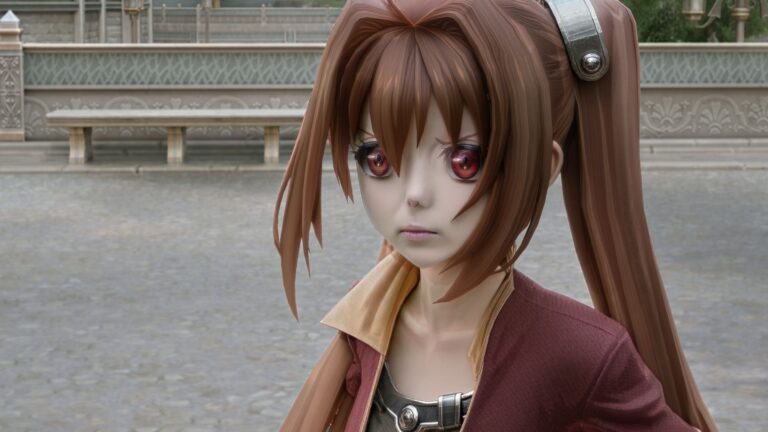
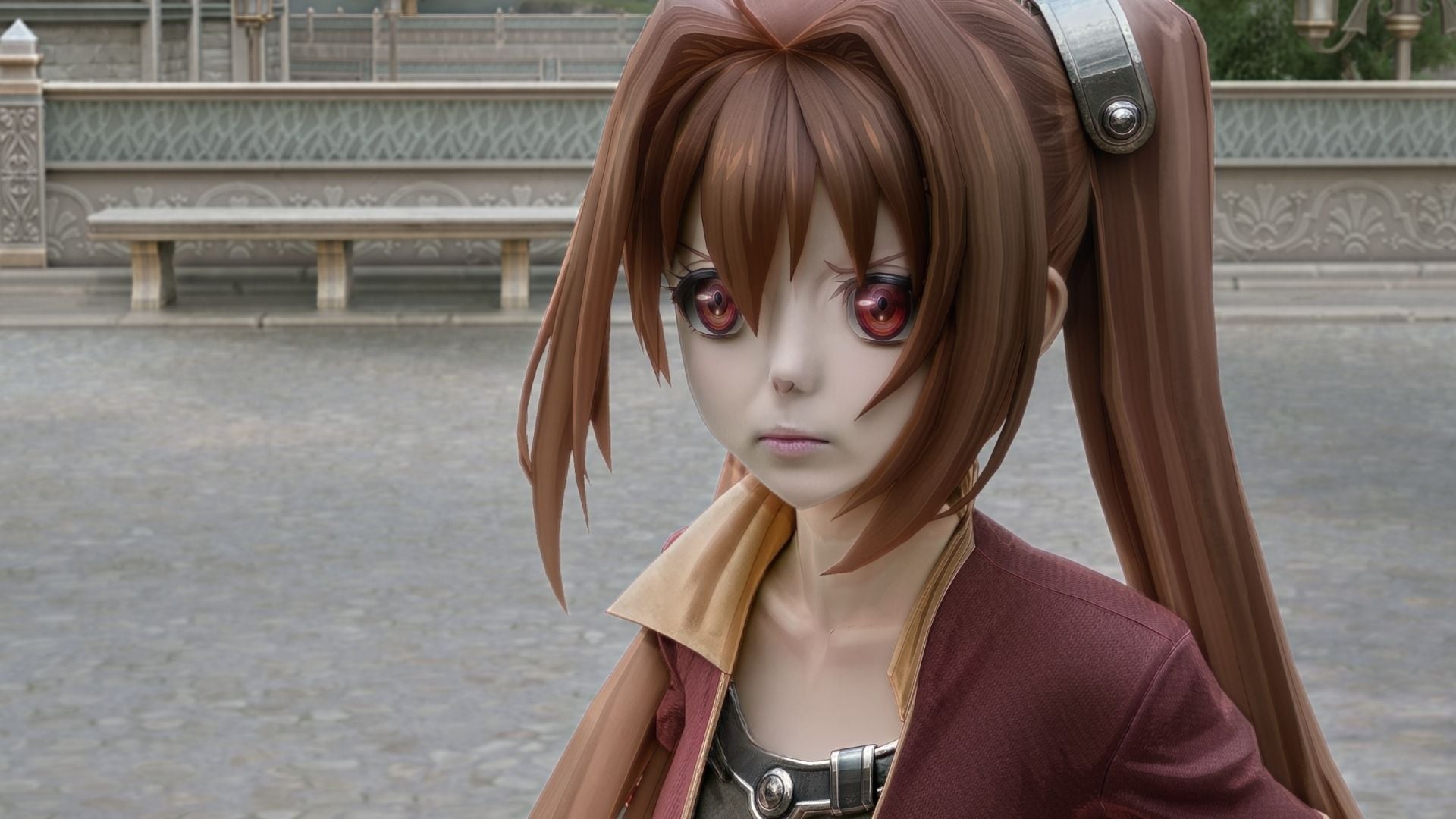
The worst results come when DLSS 5 encounters games with distinctive, non-realistic art styles. The Legend of Heroes: Trails in the Sky SC looked transformed into something resembling The Annoying Orange aesthetic—bright, flat, and tonally wrong for a JRPG.
Kingdom Hearts 3 suffered similar de-stylization. The beloved characters Sora, Donald, and Goofy lost their color saturation and visual character. Riku descended into what players described as an uncanny valley so severe it became visually repulsive.
Final Fantasy XIV players caught wind of DLSS 5’s effects on the game’s Miqo’te race—one of the game’s signature character races—and the results sparked immediate backlash. Modders sharing these screenshots found them disturbing enough to warn others before viewing.
Cinematic and Mixed-Style Games
Even games that already pursue visual realism don’t necessarily improve under DLSS 5 processing. Jedi Survivor presented a test case: the tool applied its characteristic de-stylization to a game that already features detailed environments and characters. Marvel’s Spider-Man 2 showed similar results, with the AI filter creating visible differences that players found aesthetically questionable rather than appealing.
The pattern across all these examples is consistent: DLSS 5 erases distinctive character faces and replaces them with generic, hyper-realistic versions based on its training data. A Reddit user summarized this bluntly: DLSS 5 strips away each game’s actual character designs in favor of generic hyper-realistic filters trained on standard marketing studio photography.
The Performance Penalty
Beyond the aesthetic concerns, DLSS 5 introduces a significant technical cost. Modders running the tool report dramatic frame rate drops across multiple titles.
One tester reported that applying DLSS 5 in Jedi Survivor cut performance by more than 50 percent. Other modders consistently describe framerates being halved when the technology activates. This performance penalty means players would be sacrificing smoothness and responsiveness for a visual style they may actively dislike.
The trade-off becomes particularly untenable when frame rate loss aligns with visual degradation. Most upscaling solutions promise better image quality without the performance cost of higher native resolution—DLSS 5 offers neither speed advantage nor, for most players, visual improvement.
The Broader Problem With AI-Driven Realism
The DLSS 5 backlash reflects a wider tension in modern game development. The push toward photorealism, regardless of artistic intent, has long produced technically impressive but artistically generic results. Adding generative AI to this pipeline doesn’t solve the problem—it accelerates it.
Generative AI models, by their nature, can only reproduce patterns from their training data. Feeding these models screenshots from existing games creates an endless cycle of homogenization. Every character processed through DLSS 5 tends to converge toward the same face types and features—the average of millions of training images.
This runs counter to a foundational principle in game art direction: intentional visual distinctiveness. Developers spend years developing cohesive art styles precisely to make their games memorable and recognizable. DLSS 5, for all its technical capability, treats art style as noise to be removed rather than intentional design to be respected.
Release Timeline and Industry Reception
Nvidia plans to release DLSS 5 officially sometime in fall 2026. Jensen Huang, Nvidia’s CEO, has described the technology as “the most significant breakthrough in computer graphics.” The gap between that claim and what modders are actually seeing suggests either a significant disconnect between marketing and reality, or that the final release will differ substantially from this early leak.
The modding community’s reaction offers a preview of potential reception. Brands and media outlets, including Razer, have already begun joking about the technology’s de-stylizing effects. If official release proceeds as planned, players will face an important question: whether to preserve their games’ original artistic vision or apply an upscaling filter that prioritizes technical realism over developer intent.
Frequently Asked Questions
When was DLSS 5 announced?
DLSS 5 was announced in March, to significant industry backlash.
What games showed the worst DLSS 5 results?
Stylized games suffered most—Kingdom Hearts 3 lost character colors and suffered uncanny valley effects, while The Legend of Heroes: Trails in the Sky SC resembled The Annoying Orange in aesthetic, and Final Fantasy XIV's Miqo'te race became disturbing.
How much do framerates drop with DLSS 5?
Modders report framerate cuts of 50 percent or more, with one tester seeing Jedi Survivor's performance cut in half.
