
Key takeaways
- Rockstar used Red Dead Redemption 2 footage to create a Chacey's commercial in GTA 6's gameplay reveal, with fans pinpointing the exact location in the earlier game.
- The studio has embedded cross-game references since GTA IV in 2008, including San Andreas content in that game and Red Dead footage in GTA V.
- This production method saves Rockstar time and resources while creating Easter eggs for dedicated players to discover across multiple titles.
- GTA 6 launches in November on PS5 and Xbox Series X|S, with players expecting to find references from multiple Rockstar franchises throughout the game's television programming.
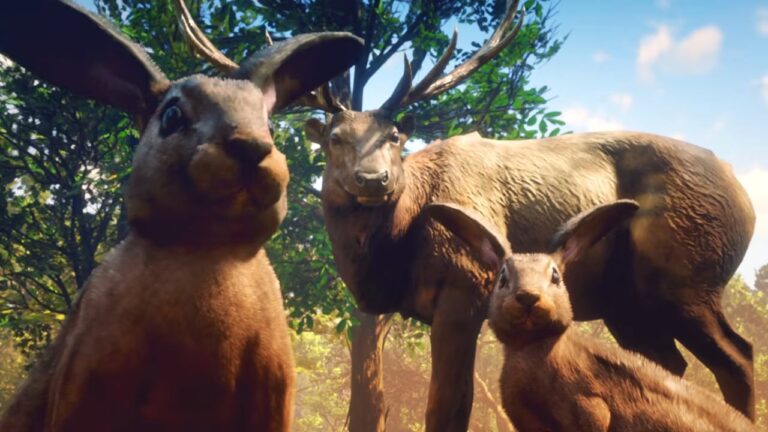
When Rockstar Games finally unveiled gameplay footage from Grand Theft Auto 6 following years of anticipation and leaks, the presentation showcased not only new mechanics and a reimagined Miami setting but also revealed the studio’s continued reliance on a time-tested production method. Embedded within the nearly 30-minute reveal were in-game commercials and television programs, a staple of Grand Theft Auto releases. One particular advertisement caught the attention of observant players: a commercial for Chacey’s, a fictional restaurant chain parodying Arby’s, featured an outrageously oversized sandwich composed of various animal meats, including deer, warthogs, and rabbits. Within hours of the broadcast, Reddit users and dedicated fans pinpointed something unexpected—the animals and environments in that commercial originated from Red Dead Redemption 2. Rockstar had filmed the advertisement entirely within its completed cowboy simulator, then incorporated the footage into GTA 6’s television landscape.
The Chacey’s Commercial Breakthrough
The discovery emerged quickly because dedicated fans possess encyclopedic knowledge of Rockstar’s asset libraries. The animals rendered in the Chacey’s spot displayed distinctive modeling and animation characteristics identical to those in Red Dead Redemption 2. When compared side-by-side, the animals were unmistakable—the same deer models, the same warthog animations, the same environmental textures. Reddit users eventually located the precise in-game location where Rockstar filmed the commercial, confirming that the advertisement sequence came directly from Red Dead’s wilderness areas. The revelation sparked immediate discussion about Rockstar’s production methodology and what other embedded references players might discover once GTA 6 launches.
Why Rockstar Chose This Approach
Creating animal models, rigging them for realistic animation, and filming a polished commercial sequence represents substantial production work. By filming within Red Dead Redemption 2’s completed wildlife systems, Rockstar avoided duplicating years of animation and modeling labor. The animals already existed, already moved realistically, and already rendered consistently within established environments. More significantly, timing constraints demanded this solution. When the GTA 6 gameplay reveal occurred, Rockstar was still actively developing the game. Television content, however, needed completion for the presentation. Filming commercials within a finished game—Red Dead Redemption 2—provided a stable platform for content finalization while GTA 6 remained in active development. This approach permitted Rockstar to avoid workflow complications that arise from recording in-game media within an unstable, changing codebase.
The Easter Egg Economy
Beyond practical considerations, Rockstar gains cultural capital from these embedded references. Dedicated players, often called super fans, actively hunt for connections between games. Finding the Chacey’s commercial filmed in Red Dead Redemption 2 triggered excitement precisely because it required observation and cross-game knowledge. The discovery also intensified speculation about what other Rockstar properties might appear within GTA 6’s television programming. Players immediately theorized about Los Santos from GTA V appearing on in-game television channels, or whether assets from Red Dead Redemption’s Undead Nightmare DLC might surface in late-night programming or horror-themed commercials. These embedded references extend the perceived value of the final product for players willing to investigate thoroughly.
A 16-Year History of Cross-Game References
GTA IV Set the Precedent
Grand Theft Auto IV, released in 2008, pioneered this approach within the Grand Theft Auto franchise. The game featured extensive in-game television programming, mirroring the structure of contemporary media consumption. Within those television programs and advertisements, alert players could spot footage from Grand Theft Auto: San Andreas, the 2004 predecessor set in fictional Southern California. One particularly notable example featured Las Venturas, San Andreas’s parody of Las Vegas, depicted during a poker tournament scene broadcast on Liberty City television. Additionally, the same game included cameos from Bullworth Academy, the setting of Rockstar’s school-based action game Bully. These references rewarded players who had invested time in Rockstar’s broader catalog.
GTA V Deepened the Cross-Reference Web
Grand Theft Auto V advanced the technique substantially. The game featured multiple in-game movie theaters where players could watch fictional films. One particular arthouse film, presented in black-and-white cinematography as a parody of pretentious art cinema, incorporated footage recorded in Red Dead Redemption. The same scene also included visual references to the Statue of Happiness, an Easter egg deliberately hidden within GTA IV. This layering created a chain of references spanning three separate games and multiple console generations. A player who caught both the Red Dead Redemption footage and the Statue of Happiness reference would experience recognition of Rockstar’s extended creative history. The technique transformed viewing in-game media from passive time-filling into active detective work.
The Operational Efficiency Model
This recurring methodology provides multiple production advantages beyond the obvious cost savings from asset reuse. Animation and modeling represent some of the most time-intensive aspects of video game development. Rather than dedicating additional resources to creating original wildlife for commercials, Rockstar leverages existing, fully-vetted animal models and animations from completed games. This approach particularly benefits background elements and crowd scenes—environments that receive brief screen time but still require visual polish and consistency.
The timeline advantage proves equally significant. Incorporating footage into games still in active development risks rendering content obsolete if mechanics, level layouts, or environmental systems undergo substantial revision. A commercial recorded in Red Dead Redemption 2 provides a permanent, unchanging asset. Rockstar can modify the footage through color correction, zooming, framing adjustments, and audio mixing to integrate it seamlessly into GTA 6’s aesthetic, but the underlying footage remains stable and reliable throughout GTA 6’s continued development and eventual launch.
Rockstar maintains additional creative flexibility through this method. Footage originally filmed in Red Dead Redemption’s open wilderness can appear entirely different once modified through digital color grading, altered through zoom and cropping, and contextualized within GTA 6’s urban Miami landscape. Players without frame-by-frame analysis would struggle to recognize the source material. The underlying models remain consistent with Red Dead Redemption’s technical standards, but the visual presentation diverges sufficiently to feel fresh and purposeful within the new game’s setting.
The November Launch and Expectations
Grand Theft Auto 6 arrives in November on PlayStation 5 and Xbox Series X|S. Based on 16 years of established precedent, the game will feature extensive in-game television programming, radio advertisements, music videos, and other video content. Multiple Rockstar franchises should receive appearances within these programs, though Rockstar will likely keep most references subtle enough to require active investigation by dedicated players.
Hunters seeking these Easter eggs should examine footage potentially sourced from GTA V’s Los Santos, earlier Grand Theft Auto entries, and Red Dead Redemption’s complete catalog. The Undead Nightmare DLC, which introduced zombie-infested variations of Red Dead’s world, represents particularly promising material for Rockstar to repurpose. Zombies advertising ridiculous products or appearing in comedic television programs set within GTA 6’s modern Miami setting would align perfectly with Rockstar’s established tone and sense of humor. Players should anticipate that discovery will extend well beyond the launch window—identifying every embedded reference could require months of collective effort from the gaming community.
Frequently Asked Questions
How did Rockstar use Red Dead Redemption 2 in GTA 6's gameplay reveal?
Rockstar filmed a commercial for the fictional restaurant chain Chacey's entirely within Red Dead Redemption 2's environments. The advertisement featured animals including deer and warthogs from that game, which were then incorporated into GTA 6's in-game television programming.
Is this the first time Rockstar has embedded references to its own games in newer titles?
No. Rockstar has done this since Grand Theft Auto IV in 2008, which featured footage from Grand Theft Auto: San Andreas and references to Bullworth Academy from Bully. Grand Theft Auto V continued the practice by including Red Dead Redemption footage in its in-game movie theaters.
When does GTA 6 release and on which platforms?
Grand Theft Auto 6 launches in November on PlayStation 5 and Xbox Series X|S.
