
Key takeaways
- Photo mode arrived only recently in Pokémon Scarlet and Violet, leaving players without official tools to visualize complete teams for three decades—a gap that spawned the fan art commission industry.
- Generative AI tools are flooding Pokémon communities with low-quality, plagiarized artwork, reducing income and commissions for established human artists who offer personalized collaboration and nuance.
- Notable artists like Gustavo Zanin, Julesdrawz, and Matt Aytch Taylor deliver work that captures personality and team dynamics that no official game has ever conveyed, creating permanent visual records of personal fandom.
- As Pokémon Bank's shutdown threatens access to older creatures, commissioned fan art increasingly serves as the resilient archive of player connection and creative memory.
Pokémon occupies a unique position in gaming as profoundly personal property—not the game itself, but the creatures within it and the stories each player constructs around them. That emotional investment, however, exists in tension with what the official games can present. A trainer’s favorite team, their internal vision of each Pokémon’s personality, the dynamics between creatures—these elements have historically existed only in imagination. The gap between what players feel and what the games can show has spawned a thriving ecosystem of fan artists and commission-based creators. Now that ecosystem faces existential pressure from generative AI systems flooding the space with what artists describe as soulless, plagiarized amalgamations of work by better artists.
The Photo Mode Problem
Until recently, Pokémon games offered no meaningful way to document a complete team as a unified composition. Early players resorted to improvisation: extracting sprites from older titles, manually arranging digital assets, using whatever tools available to create group portraits of their favorites. Modern conveniences like screenshotting arrived late to Nintendo platforms, and the games themselves never provided the infrastructure to capture an entire team within a single frame—a feature trainers took for granted was impossible in the series.
A Decades-Long Absence
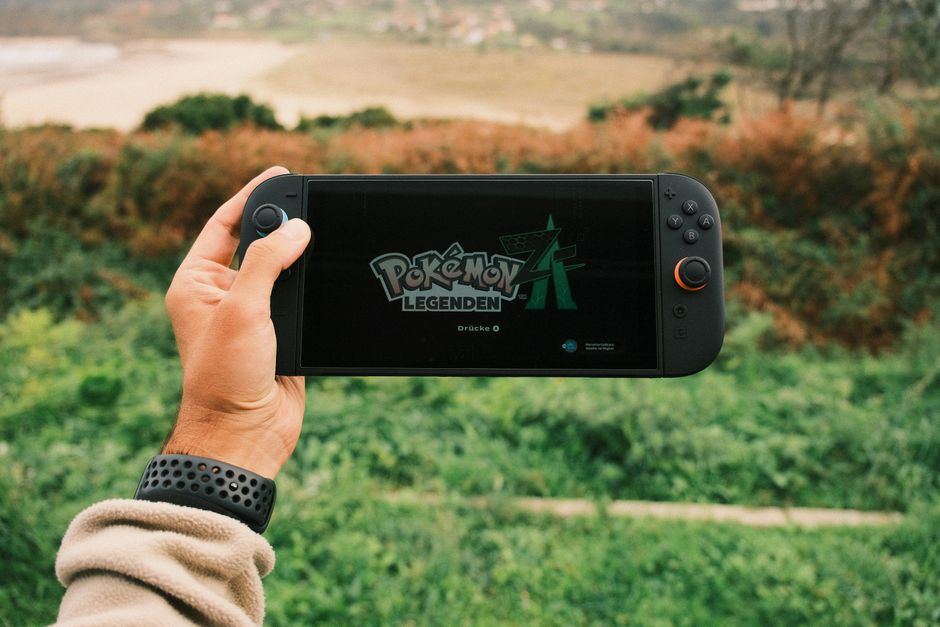
The first proper photo mode in a mainline Pokémon game arrived only with Scarlet and Violet. The upcoming Legends: Z-A will continue this capability. That means for the vast majority of Pokémon’s 30-year existence, players possessed no official mechanism to create the visual records they wanted. This was not an oversight—it was an architectural constraint that pushed thousands of fans toward commissioning artists instead. The constraint transformed into opportunity for human creators who could deliver what the games refused.
The Economics of Artistic Vision
The fan art market that developed around this gap became sustainable precisely because players could express themselves through commissioned work in ways the games did not permit. Artists built followings on platforms like Twitter, developed recognizable visual styles, and commanded fees that reflected their skill and demand. Some specialized in specific eras of the franchise’s visual language. Others drew from the watercolor techniques that defined Ken Sugimori’s iconic work from the 1990s, adapting modern Pokémon into retro aesthetics. These creators carved out professional niches serving a passionate, willing audience.
Generative AI and the Commission Crisis
Generative AI has destabilized this market with brutal efficiency. Artists report a measurable decline in commission requests as players turn to AI tools promising speed and cheapness. The result flooding social media platforms and trending feeds are derivative images: viral mockups of AI-generated teams, purporting to showcase a trainer’s favorites but actually delivering what one observer called soulless, plagiarized amalgamations of work by better artists. The volume of these outputs—fast, cheap, and visually hollow—has begun to displace potential work for human creators who cannot compete on those terms.
What Algorithms Cannot Replicate
The technical inadequacy of AI art, however, points to something deeper than aesthetic failure. When a trainer commissions human artwork, they are purchasing more than execution—they are purchasing collaboration. They describe to the artist their vision: how they imagine their Raichu’s personality, the thematic relationship between team members, the mood they want captured. A skilled artist grasps contextual nuance that no generative system can extract from a text prompt. The result is work that reflects understanding—not just visual skill, but conceptual alignment with the player’s internal narrative.
Capturing What Games Miss
A commission artist named Julesdrawz, whose style echoes the aesthetic of the underrated DS puzzler Pokémon Trozei, demonstrated this distinction when asked to illustrate a complete team. The resulting artwork rendered a Raichu with attitude, a Torterra exuding stoicism as it grounded the composition—personality traits and dynamics that never appeared in any official game. The visual language conveyed something the player had imagined privately but never witnessed externally. That gap between internal vision and external confirmation is precisely where human artists operate.
Notable Commission Artists in Pokémon Fandom
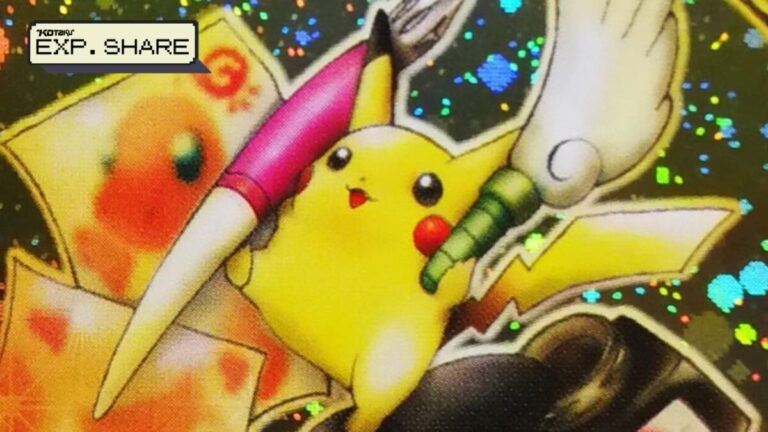
Several established artists have built substantial followings by serving this community demand. Gustavo Zanin specializes in reproducing Sugimori’s watercolor techniques, rendering contemporary Pokémon in the style that defined the franchise’s visual identity in the 1990s. Duke Hoover has gained recognition for custom Pokémon cards—collectible physical artwork that players display as precious keepsakes. PSaber creates dynamic group compositions rendered as battle-ready teams, each member positioned with visual emphasis and thematic coherence.
Artist Matt Aytch Taylor represents another model: a creator who builds ongoing relationships with individual patrons. When a writer working on Dexit coverage felt the emotional weight of losing access to favorite creatures through Pokémon Sword and Shield’s limited roster, they commissioned Taylor to illustrate their Raichu overlooking Motostoke, capturing the melancholy of farewell. That initial collaboration led to subsequent commissions, establishing a sustained artistic partnership built on trust and shared creative intent.
Pokémon’s Personal Permanence
The reveal of Raichu’s Mega Evolution within the past year illustrates how new official content can reignite commissioning cycles. Players seek out artists who can reimagine their favorite creatures in fresh forms, integrating these new designs into updated team compositions. Over years of accumulated commissions, some players build visual archives—a personal history of artwork, each piece a snapshot of their relationship to the franchise at different moments.
One enthusiast described receiving sketches from various artists across years as helping them feel continuously connected to a series that has been a stabilizing force for three decades. The custom cards from Duke Hoover sit on shelves as precious keepsakes. The team illustrations from PSaber and Julesdrawz and Gustavo Zanin collectively document not static game data, but evolving understanding of beloved creatures—interpretations shaped through direct collaboration between human players and human artists.
Infrastructure Fragility and Fandom Resilience
The impending shutdown of Pokémon Bank adds another dimension to this dynamic. That service affects access to creatures stored across older games, a digital archive vulnerable to corporate deprecation. Fan art, by contrast, creates permanent portable records—visual anchors to creatures and moments that official systems might eventually restrict or remove. The pieces commissioned from human artists constitute an alternative archive, resistant to platform changes and service closures.
As generative AI continues to proliferate, the choice to commission human artists becomes a choice to sustain a community that values craftsmanship, individual vision, and collaboration. The Pokémon fandom extends far beyond what any single game can contain—and increasingly, that extended fandom depends on creators who can translate personal connection into lasting visual form.
Frequently Asked Questions
Why do Pokémon players commission artists if they can use AI-generated art?
Human artists offer collaboration and nuance that generative systems cannot replicate. When a trainer describes their vision to an artist, the creator can capture personality traits, team dynamics, and thematic intent—understanding that no AI prompt can fully convey. The result reflects conceptual alignment between player and artist.
When did Pokémon games first include photo mode?
Photo mode arrived only with Pokémon Scarlet and Violet, and will continue in the upcoming Legends: Z-A. For the franchise's first three decades, players had no official in-game tool to create group portraits of their complete teams.
Which artists are notable in the Pokémon commission community?
Established commission artists include Gustavo Zanin (who works in Ken Sugimori's 1990s watercolor style), Julesdrawz (whose aesthetic echoes the underrated DS puzzler Pokémon Trozei), Matt Aytch Taylor, Duke Hoover (known for custom Pokémon cards), and PSaber (recognized for dynamic battle-ready team compositions).
