

Key takeaways
- Lucia and Jason's relationship responds to player choices—ignoring texts damages the bond, while activities together strengthen it, affecting character development without altering core gameplay.
- Perspective switching between protagonists during activities like skydiving, plus calling your partner for tactical backup, defines GTA 6's co-op approach.
- Police respond differently to solo crimes versus duo crimes, and you can split up to coordinate tactical escapes using a karma system affected by violence and good deeds.
- Rockstar intentionally avoided time-sensitive satirical references due to the game's decade-long development cycle, prioritizing commentary that will age gracefully.
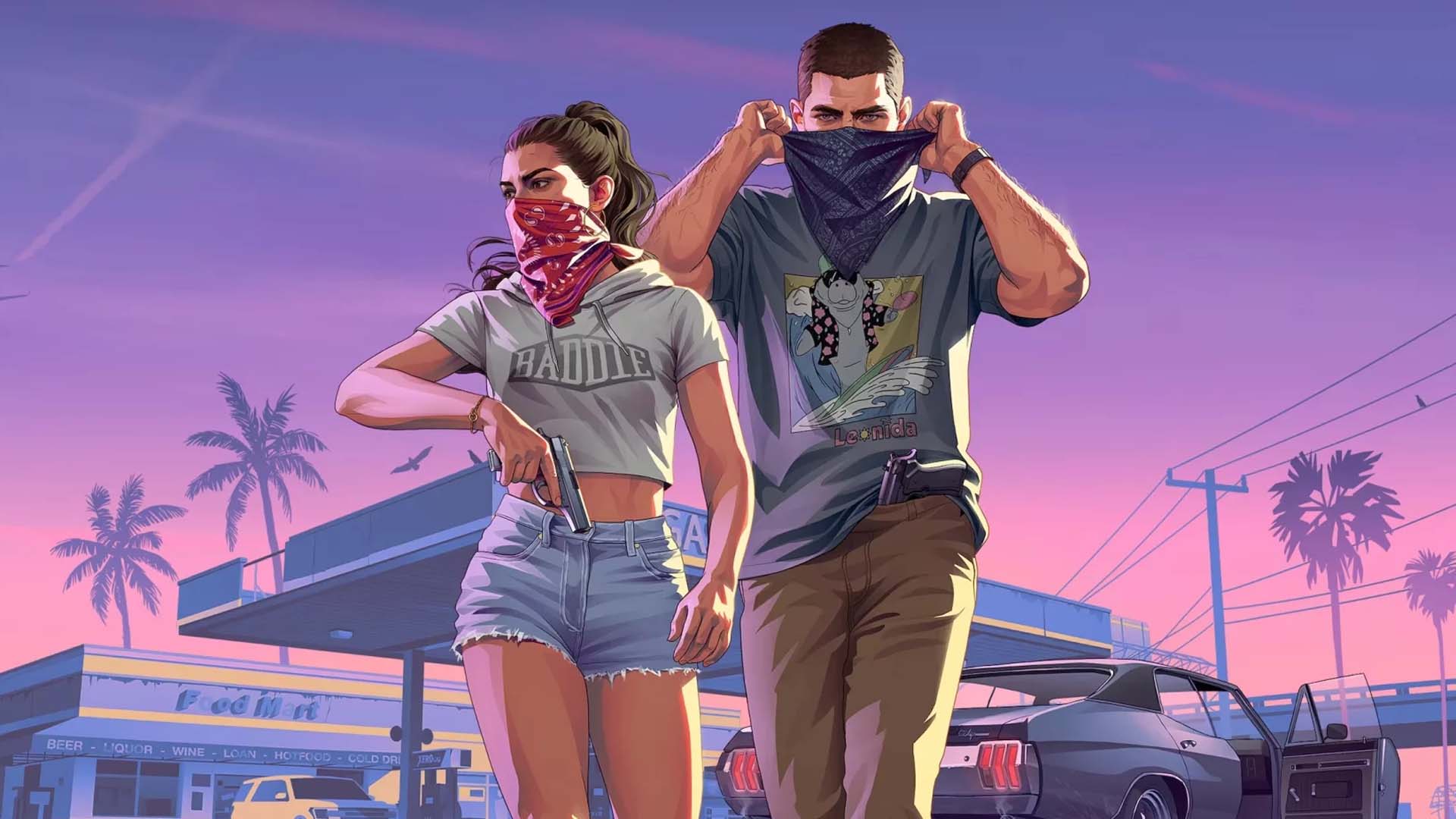
Rockstar Games has officially unveiled Grand Theft Auto 6 through a 26-minute extended gameplay presentation, revealing how the studio plans to evolve one of gaming’s most successful franchises. The most immediate departure from tradition comes in the protagonist system: where GTA 5 offered three distinct characters to play, GTA 6 streamlines this to a two-character focus. The pairing consists of Lucia and Jason, positioned as a Bonnie and Clyde-style duo at the center of the story’s narrative.
The Two-Character System
Focusing on two protagonists rather than three represents a fundamental shift in storytelling approach for the series. This decision to narrow the roster creates stronger thematic coherence around the central partnership. Lucia and Jason’s story opens with the two characters already in an established romantic relationship, setting a different tone than GTA 5’s multiple viewpoints and fractured narratives.
Relationship Mechanics and Player Agency
Romance as Player Choice
The romantic foundation between Lucia and Jason is not locked in place. Player decisions throughout the story determine whether the relationship deepens into genuine partnership or shifts into a friendlier dynamic. These aren’t binary choices presented through dialogue wheels, but rather accumulated actions that shape attachment over time. Ignoring text messages from your partner carries a penalty to relationship status, whereas actively choosing to do activities together strengthens the bond. The simple gesture of holding hands—activated with a right trigger tap while exploring the world—reinforces closeness during downtime moments.
What’s crucial is that these relationship alterations affect character development and conversational dynamics without impacting core gameplay mechanics. The two protagonists cannot be permanently separated or abandoned; circumstances force them to remain together regardless of emotional trajectory. Their individual arcs and how they relate to one another shift based on player investment, but the gameplay foundation remains stable.
Shared Experiences
Working out together provides one example of how relationship building integrates into regular activities. Characters sharing leisure time reinforces their connection without requiring specific story beats to trigger emotional development.
Co-op Mechanics and Dynamic Perspective
Perspective switching between the two characters occurs not just during missions but during moments of freeform play. The gameplay reveal included a skydiving sequence where you control Lucia, then seamlessly transition to Jason’s view mid-jump, maintaining full agency over both perspectives within the same activity. Outside of scripted action, you can call your partner when facing trouble, and they’ll arrive to provide backup in combat situations.
The partnership system extends to safe houses and domestic spaces. Other characters can visit these locations, and some may even claim ownership of them as part of their own character arcs. Within safe houses, both protagonists can perform personal activities—shaving, storing vehicles—creating spaces that function as both gameplay systems and narrative set pieces.
Daily Life, Health, and Appearance Systems
Physical Consequences and Character Customization
The game models physiological responses to lifestyle choices. Eating provides health recovery, but sustained overeating leads to weight gain and visible changes to character appearance. Physical training builds muscle mass and serves as an activity the two protagonists can undertake together. These systems mean your character’s visual presentation reflects cumulative decisions about diet and exercise rather than appearing as cosmetic choices divorced from mechanics.
Entertainment and Downtime Activities
GTA 6 expands the list of available leisure activities to an unprecedented scope. Characters can browse social media applications directly from their in-game phones, watch television, listen to radio broadcasts, play pool, swim, operate monster trucks on racing courses, kayak on bodies of water, engage in scuba diving, visit nightclubs, play mini golf, visit the zoo and observe wildlife, and numerous other pastimes. This range of activities serves multiple functions: padding out world believability, providing breaks from crime-focused gameplay, and offering cooperative experiences for the two protagonists.
NPC Behavior and Emergent Interaction
The world responds dynamically to player presence and actions. Random events trigger encounters where NPCs initiate conversations or attempt social interaction. The Ryde Me system—GTA 6’s version of ride-sharing—allows characters to converse with other passengers during transit, including complete strangers, creating organic dialogue that reflects the social chemistry of the moment.
NPC reactions extend to micro-level behaviors: standing too close to characters elicits responses, eavesdropping for extended periods triggers awareness, or speaking aggressively provokes confrontation. Sometimes NPCs initiate conflict without clear provocation, ensuring the world feels genuinely unpredictable rather than choreographed around player intent.
Wanted Levels and Tactical Escape
Police encounters demand varied approaches rather than a single solution. Breaking free from wanted status proves notably difficult, requiring deliberate strategic choices. One avenue involves altering your appearance completely—since law enforcement has visual records from security camera footage and eyewitness descriptions. Geographic escape through narrow alleys too tight for patrol vehicles provides another option, as does acquiring and piloting an exceptionally fast automobile.
The presence of a partner creates additional tactical dimensions. Police respond differently to crimes committed by a lone individual versus a duo. You and your teammate can separate and coordinate movements, with options to issue direct instructions to your partner to draw police attention away from your current position. A karma system tallies your actions: unnecessary violence accumulates wanted level pressure, while positive actions—properly disposing of trash—reduce heat.
Combat Philosophy and Vehicle Mechanics
Lethal force is never the only option during confrontations. You can wound antagonists or disarm them by knocking the weapon from their hand, permitting non-lethal approaches to conflict. Vehicle acquisition requires consideration of security systems: certain cars include electronic locks that mandate using a key cloner device to bypass, preventing straightforward hotwiring.
Satire and Cultural Commentary in Extended Development
Rockstar’s traditional approach to satire and societal observation continues in GTA 6, but with adjusted parameters. The franchise has long offered commentary on culture, politics, and social structures, but the studio consciously avoided specific, time-sensitive references. Because the game spent over a decade in development, writers made a deliberate choice to sidestep satire that would inevitably feel antiquated by release. This strategy prioritizes observation that holds longevity over rapid-response comedy that might land initially but age poorly, reflecting the practical constraints of extended development cycles in an industry accustomed to faster iteration.
The 26-minute gameplay presentation served as Rockstar’s unconventional method of introducing the game to audiences, departing from traditional trailer formats to showcase systems and interaction depth rather than narrative highlights alone.
Frequently Asked Questions
How does the relationship system between Lucia and Jason work?
The relationship starts romantic but can develop into friendship based on player choices. Ignoring texts damages the relationship, while activities together strengthen it. These choices affect character development and interactions but not core gameplay—both characters remain together regardless.
Can you switch between Lucia and Jason during gameplay?
Yes, you can switch perspectives between the two characters during various activities. The gameplay reveal showed perspective switching during a skydiving sequence, and you can call your partner for backup when in trouble.
What activities are available outside of crime missions?
The game offers extensive downtime options including social media browsing, watching TV, radio listening, pool, swimming, monster truck racing, kayaking, scuba diving, nightclubs, mini golf, visiting the zoo, and numerous other leisure activities.
