
Key takeaways
- Star Wars Zero Company, developed by Respawn Entertainment and Bit Reactor, opened to an 86 Metacritic score with widespread praise for tactical depth and cinematic presentation.
- The game breaks Star Wars convention by centering non-Force users and incorporating political themes around fascism, moving beyond light-versus-dark morality.
- Multiple reviewers identified the game as a potential Game of the Year contender despite some criticism of its storytelling execution.
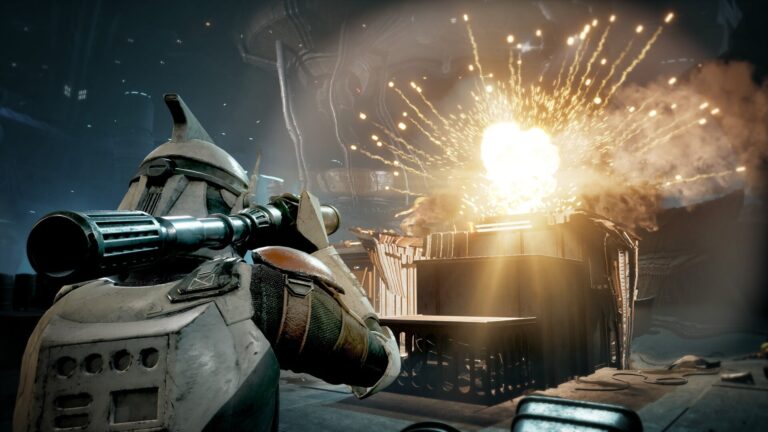
The first wave of reviews for Star Wars Zero Company landed today, and critics are declaring the tactical collaboration between Respawn Entertainment and Bit Reactor a potential contender for Game of the Year. The title sits at an 86 on Metacritic, buoyed by widespread praise for its execution of squad-based turn-based combat and its willingness to center characters outside the Force-wielding mythology that has dominated Star Wars interactive storytelling.
Early Verdict: Exceptional Tactical Design
PC Gamer’s Ted Litchfield described the game as “one of the best games of 2026,” while Windows Central positioned it as a new benchmark for its genre. These assessments reflect a broader critical consensus that Star Wars Zero Company delivers on its core promise: channeling the Clone Wars through a mechanics-first lens inspired by XCOM’s proven formula. Shacknews’ Lucas White offered a dissenting voice, characterizing the experience as weighed down by uninspired storytelling that plays like a non-canon shonen anime film, criticizing what he perceived as unoriginal writing for its lack of distinctive voice.
Built on XCOM’s Foundation
Bit Reactor’s Proven Heritage
The game bears the fingerprints of its developer pedigree. Bit Reactor was founded by veterans who worked on XCOM, the franchise that redefined tactical gaming two decades ago. This ancestry shows throughout: resource management systems, procedural squad losses when you miss that seemingly guaranteed attack, and the permadeath option for players chasing maximum emotional stakes. That institutional knowledge translates directly into how the game structures its moment-to-moment decision-making.
A Tactical Philosophy All Its Own
Despite those lineage markers, reviews consistently note that Star Wars Zero Company distinguishes itself from pure XCOM emulation. The design emphasizes smaller maps that reward aggressive positioning over defensive setups. Reviewers highlighted an increased focus on squad cooperation and synergies rather than individual unit optimization. Dan Stapleton noted that while the game may not reach the decade-spanning replayability of XCOM 2, its lengthy campaign warrants multiple playthroughs to master the nuanced combat interactions and unit combinations.
Squad Dynamics and Cinematic Presentation
Visual Identity from Respawn’s Arsenal
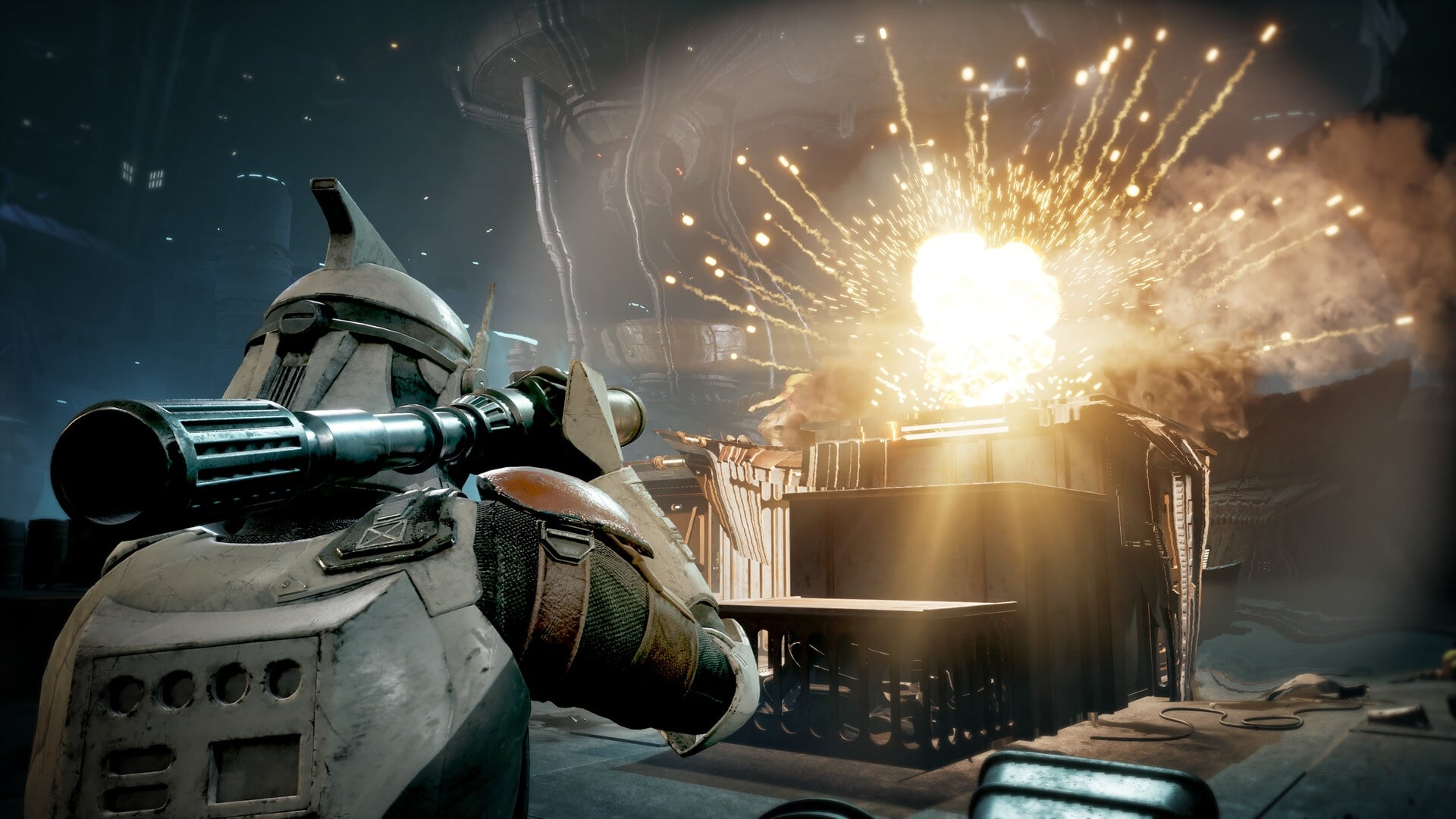
Respawn Entertainment, the studio behind the critically acclaimed Jedi series, imported its cinematic visual language. The result carries the same production sheen and camera work that made its previous Star Wars titles feel like interactive films. Alex Spencer’s account captured a specific moment: during idle animations between turns, laser fire crosses the battlefield as both sides maintain suppressive fire, and when Tel-Rea’s lightsaber deflects one of those blasts, the execution feels effortless and deliberate. These details accumulate into a sense of tactical choreography that elevates the mechanical systems beneath.
Character Work Beyond The Chosen One Narrative
Elijah Gonzalez emphasized that the game succeeds at depicting what it means to occupy the background of a galactic conflict. Squad members carry allegiances to different sides of the war—or none at all—but their political views do not dictate every action they take. Hawks, the protagonist, leads a squad unified not by Republic patriotism but by aligned short-term interests. This friction develops throughout the campaign into an increasingly present tension. Gonzalez drew comparisons to Andor, describing Zero Company as a surprisingly incisive prequel that documents a slow descent into fascism with uncomfortable accuracy.
Story and Character Reception
Thematic Ambition Versus Execution
Jade King’s perspective captured a broader sentiment: the game’s greatest achievement lies in making her care about a Star Wars universe that had grown stale through repetition. Zero Company rarely innovates with combat mechanics or character archetypes, but it executes both competently enough that innovation becomes secondary. By replacing the binary light-dark moral framework with demonstrated moral ambiguity, the game demonstrates what the franchise can achieve under focused creative direction. King found the personal stories of companions emotionally resonant in ways she had not anticipated from this genre.
Where Writing Falls Short
The praise, however, does not extend uniformly to the narrative presentation. James Galizio acknowledged that while the tactical gameplay and resource systems are excellent, they compensate for what is fundamentally a competent but unremarkable story and character roster. Lucas White took the harshest stance, contending that the game burdens itself with uninspired Star Wars-themed writing and character work, and that expecting players to remain engaged through both combat and story creates a pacing problem. Where reviewers like Gonzalez found political complexity, White perceived generic storytelling—a significant divergence in how the same material registers.
Technical State and Replayability
Alex Donaldson positioned the game as the best Star Wars gaming experience in years, possibly since Knights of the Old Republic, yet acknowledged its rough edges. Camera bugs occasionally interfere with unit ordering during combat, and other technical issues appeared during the review period. Donaldson expressed hope that patches would address these problems, but maintained that the core experience remains thrilling despite these blemishes. The prospect of hundreds of hours invested justified both the Star Wars license and the XCOM spiritual successor positioning for Donaldson, even if the game does not achieve XCOM 2’s eternal-game status through modding and sandbox depth.
Pricing That Challenges Industry Norms
Ted Litchfield explicitly praised Star Wars Zero Company’s $50 price tag as crowd-pleasingly anachronistic—a term that captures industry surprise at a substantial, content-rich title priced below the $70 standard for new console releases. In an ecosystem where full-price games increasingly launch incomplete or padded with monetization hooks, the value proposition resonates. Litchfield’s closing judgment declared it a definitive debut from Bit Reactor, a mic drop moment that extends far beyond proving the studio could execute at scale.
What This Means for Star Wars Games
The critical consensus signals that Star Wars licensed games can succeed by centering mechanics and world-building over Force-user fantasy fulfillment. Whether Zero Company ultimately places on Game of the Year ballots remains to be determined by full critical consensus and player reception in the months ahead. But the early reviews establish that Respawn and Bit Reactor have created something that works as both a Star Wars experience and as a standalone tactical game—a rare alignment that the Metacritic 86 and Ted Litchfield’s enthusiastic declaration both reflect. Star Wars Zero Company arrives at a moment when the franchise needed precisely this kind of precise, ambitious execution.
Frequently Asked Questions
What is Star Wars Zero Company's Metacritic score?
Star Wars Zero Company registered at an 86 on Metacritic based on early reviews that lifted their embargo today.
Who developed Star Wars Zero Company?
The game is a joint collaboration between Respawn Entertainment and Bit Reactor, a studio founded by former XCOM developers.
What is the game's price?
Star Wars Zero Company launches at $50 for PC and consoles, a price point several reviewers noted as unusually consumer-friendly for a major new release.
