
Key takeaways
- Final Fantasy Resonance transforms the defunct mobile game Brave Exvius into a console RPG with traditional turn-based gameplay and zero gacha mechanics.
- The game includes 26 classic Final Fantasy protagonists as recruitable Visions, each grounded in the main story rather than serving as mere fan service.
- Square Enix allocated development resources equivalent to building a new title from scratch, with no plans for post-launch DLC or additional content.
Final Fantasy Resonance represents an unusual case in modern gaming: the resurrection of a live-service title through a completely different format. Two years after Brave Exvius shut down in most regions, Square Enix is reimagining what that mobile game became, transforming it into a traditional console RPG with HD-2D aesthetics, full voice acting, and characters spanning the franchise’s nearly four-decade history. Producer Keisuke Nakashima and director Hiroto Furuya have positioned the game as both a preservation effort and an opportunity to introduce Final Fantasy to players who may have only encountered the name casually.
The challenge they face is substantial: create something that honors Brave Exvius’s legacy, welcomes newcomers unfamiliar with the deeper franchise, rewards longtime fans with meaningful callbacks, and delivers a complete game without relying on the monetization structure that defined its predecessor.
Dismantling the Gacha Structure
The most obvious difference between Resonance and Brave Exvius is the absence of gacha mechanics. Square Enix has eliminated the random-pull system that structured the mobile game’s progression, allowing character rarity to dictate both power level and party composition. In Resonance, rarity no longer exists as a balance factor. Players can build teams around characters they actually want to use rather than chasing rare pulls to stay competitively viable.
This shift extends beyond systems into fundamental design. The team rebuilt the battle system entirely for console play, recognizing that a direct port would fail to capture what made Brave Exvius compelling for traditional RPG players. Nakashima explained to Kotaku that the pixel art and character designs remained worth preserving, but when creating a console title, developers need to completely retool how the battle system and scenario hooks together. For developers working within Team Asano, a division known for prioritizing complete base experiences over live-service models, returning to classic turn-based, job and class-based combat aligned with both creative and philosophical goals.
The series has increasingly emphasized 3D action gameplay, yet Nakashima felt a segment of players still craved the classic, turn-based, more approachable systems that defined earlier Final Fantasy entries. Taking the best elements of the mobile game and reinventing them with this classic style, he believed, would appeal to many fans seeking that design philosophy.
Visions and Character Integration
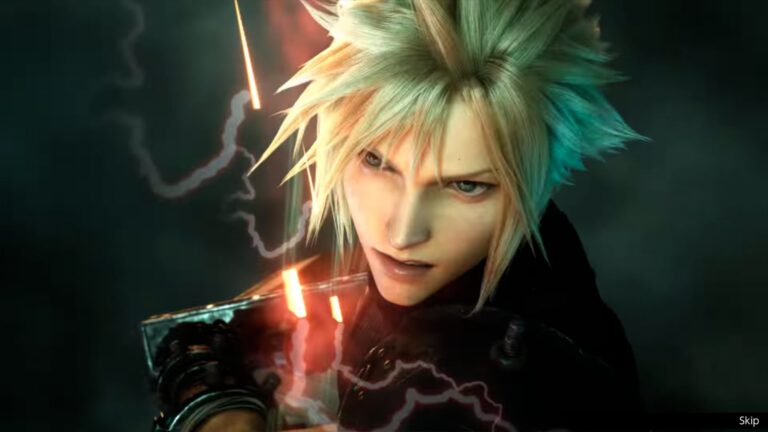
Resonance populates its world with both new and familiar faces. Rain and Lid anchor the original cast, but the game also incorporates legendary Final Fantasy protagonists—Cloud Strife, Noctis Lucis Caelum, and others—as secondary party members called Visions. Players discover these characters by locating Vision Crystals scattered throughout the game world.
How Visions Work
When a player approaches a Vision Crystal, the character’s story unfolds, followed by recruitment into the player’s party. This structure mirrors the Persona series’ confidant mechanic, where characters exist as equippable entities that provide unique abilities and tactical advantages. The system serves multiple audiences simultaneously: players unfamiliar with Final Fantasy XV learn Noctis’s narrative beats, while series veterans encounter a condensed retelling of his original story that evokes nostalgia without demanding extensive prior knowledge.
The Alignment Mechanic
Recruitment involves a series of questions about how the player would respond to the character’s crucial story moments. When recruiting Noctis, for example, each response aligned with his choices grants perks that theoretically create better synergy between player and character. This seems designed to reward knowledge of the original games—players who know Noctis’s personality gain mechanical advantages. However, director Furuya emphasized that the team carefully monitored this system to prevent longtime fans from gaining insurmountable balance advantages over newcomers. The alignment system offers meaningful perks without becoming a gate to progression, ensuring that whether someone arrives as a longtime fan or a series newcomer, they can easily figure out how to use Visions effectively.
Preserving Character Integrity
Square Enix involved developers from the original games to ensure that classic characters were presented authentically within Resonance’s context. This oversight extended beyond mere cameos—the team wanted each Vision to meaningfully affect both combat and narrative. According to Furuya, the team didn’t want Resonance to appear as a superficial cash grab. Instead, they ensured that the way characters are incorporated into the game made sure each brought something unique to the overall gameplay experience. Internally, core members from other Final Fantasy games reviewed how characters were presented in Final Fantasy Resonance to respect the integrity of the original works.
From 2,000 Characters to 26
The scope reduction from mobile to console tells its own story. Brave Exvius accumulated over 2,000 recruitable characters before shutdown. Resonance features only 26, comprised primarily of protagonists from mainline Final Fantasy entries alongside select secondary characters. This was a deliberate curation, not a limitation imposed by development constraints.
Square Enix selected characters based on who would create interesting gameplay variety and bring something genuinely distinct to combat. The team rejected the option of expanding this roster through post-launch DLC. No additional characters are planned, and there will be no seasonal content or downloadable expansions. Team Asano’s philosophy prioritizes ensuring the base game reaches its highest possible quality, dedicating development time to making the core experience the best it can be rather than reserving resources for future content drops.
This decision means fan-favorite characters like Yuna won’t appear, and celebrity crossovers similar to Brave Exvius’s collaborations won’t occur. Resonance commits to being a finite, complete experience.
Story Role and Fan Service Balance
The original Brave Exvius cast remains the narrative’s anchor. Rain and Lid’s storyline drives the plot forward, with Vision Crystals playing an unexpectedly central role rather than functioning as pure fan service. The returning characters serve as an integral part of the story—without their presence, the plot doesn’t cohere as intended.
This positioning attempts to address a legitimate concern in an era dominated by free-to-play crossover extravaganzas: that bringing together dozens of beloved properties can dilute a game’s identity and narrative coherence. By grounding cameos in story necessity rather than marketing opportunity, Square Enix aims to differentiate Resonance from typical crossover projects. Each classic character contributes meaningfully to how events unfold, rather than appearing as disconnected easter eggs for players to recognize.
Development Investment and Scope
A common misconception surrounded the game’s production: that adapting a mobile title to console would represent a cost-saving shortcut compared to building entirely from scratch. Nakashima pushed back firmly against this assumption. The process actually requires as much work, time, and budget as creating a new title. The mobile game’s foundation provided strong conceptual material, but everything—systems, scope, pacing, and overall structure—required complete reimagining for console audiences.
Rather than treating Brave Exvius as a template to bolt new features onto, the team approached it as source material to reimagine wholesale. Players familiar with the mobile version should expect substantial surprises in how content has been rebuilt and recontextualized. Those encountering these characters for the first time will find a cohesive narrative that doesn’t demand extensive franchise knowledge to follow or enjoy.
Release and Platforms
Final Fantasy Resonance arrives October 22 across Switch, Switch 2, PlayStation 5, PC, and Xbox Series X/S. The HD-2D visual style, which proved successful for titles like Octopath Traveler, situates the game visually within a growing subset of the franchise rather than the main series’ contemporary approach. This aesthetic choice reinforces the game’s positioning as something distinct from modern Final Fantasy entries—a deliberate step backward stylistically to rediscover design principles the 3D-focused main series largely abandoned.
Frequently Asked Questions
What happened to the original Final Fantasy Brave Exvius game?
The mobile gacha game shut down approximately two years ago in most territories, prompting Square Enix to reimagine its content and characters as a console RPG.
Which Final Fantasy characters appear in Resonance?
The game includes 26 characters, primarily protagonists from mainline Final Fantasy games, appearing as recruitable Visions alongside original characters Rain and Lid. Examples include Cloud Strife and Noctis Lucis Caelum from Final Fantasy XV.
Will Resonance receive DLC or additional content after launch?
No. Square Enix has no plans for post-launch content, additional characters, or DLC, as Team Asano prioritizes ensuring the complete base game is as high-quality as possible upon release.
