
Key takeaways
- GameCenter CX will decide on August 23rd whether to expand its retro gaming scope to include 20-year-old Nintendo Wii and PlayStation 3 hardware for the first time.
- The program has run for over two decades since 2003, built primarily on challenging Famicom games, and expanded gradually through the PlayStation 2 era.
- Adding Wii and PS3 games would represent the first time the show covers hardware younger than the program itself, introducing motion controls and different design approaches.
- GameCenter CX has transcended its niche status as a Japanese television institution, spawning Nintendo DS adaptations and receiving recognition like an unlockable character outfit in Super Mario Maker.
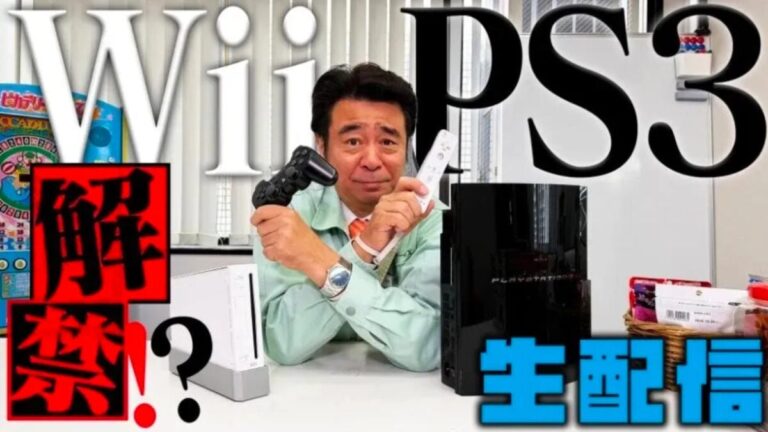
Shinya Arino, the host of the long-running cult Japanese television program GameCenter CX—known internationally as Retro Game Master—has spent over two decades pursuing completion in some of the most demanding video games ever released. Through nearly 400 episodes spanning more than 20 years, Arino has methodically worked through gaming history, sitting down with each challenge until he either conquers it or admits defeat. Now, in August 2026, the show is asking a question that has fans confronting their own aging: Is it time to consider the Nintendo Wii and PlayStation 3 as “retro”?
On August 23rd, GameCenter CX will broadcast a special livestream debate addressing exactly that question. The outcome carries genuine significance for the program’s future direction—if the panel decides to move forward, it would mark the first time in the show’s 23-year history that GameCenter CX tackled games from hardware younger than the television program itself.
Two Decades of Famicom Mastery
The Foundation
GameCenter CX premiered in 2003 with a straightforward premise: Arino faces notoriously difficult games and refuses to leave until completion or humiliation. The show built its reputation on Famicom games, where Arino battled through titles like Ghosts ‘n Goblins, Ninja Gaiden, and Super Mario Bros.: The Lost Levels—cartridges designed with difficulty curves meant to punish rather than please.
Gradual Expansion
Over the program’s run, coverage gradually expanded beyond the Famicom. GameCenter CX has documented games spanning from the Sega Master System through the PlayStation 2, creating a living timeline of what “retro” meant at each stage of the program’s evolution. This historical progression established the show as an archive of challenging games and a cultural gatekeeper for gaming nostalgia.
Defining the Scope
By maintaining careful boundaries around what qualified as “retro,” GameCenter CX carved out a distinct identity in Japanese gaming culture. The show became an institution, its focus and discipline distinguishing it from general gaming entertainment.
The Case for Wii and PS3: A 20-Year Milestone
The Nintendo Wii and PlayStation 3 both launched in 2006—exactly 20 years before this debate takes place. Games that still feel contemporary to many players, including Super Mario Galaxy and Fallout: New Vegas, technically entered two-decade-old status. The August 23rd livestream will determine whether GameCenter CX formally expands its definition of “retro” to include these systems and their libraries.
The significance goes beyond mere classification. Including the Wii and PS3 would mean Arino confronting motion-controlled gaming, Blu-ray-based libraries, and an entirely different design philosophy from the Famicom era. It represents a fundamental shift in the program’s scope—for the first time, the show would tackle hardware that is genuinely younger than the television program covering it.

Building Cultural Presence Beyond Television
GameCenter CX’s influence extends well beyond its core viewership through various spinoffs and collaborations. The show spawned two Nintendo DS games based directly on the GameCenter CX formula, bringing Arino’s particular brand of gaming challenge to handheld systems. These titles captured the tension between frustration and determination that defines the television program.
Nintendo has also recognized Arino’s cultural standing through more subtle means. An unlockable outfit featuring Arino appeared in Super Mario Maker, acknowledging his status within gaming culture. The show itself occasionally ventures beyond pure game completion—one memorable episode saw Arino exploring Japan to locate the country’s furthest north arcade, broadening the program’s scope to examine gaming spaces and culture rather than just completing titles.
What Games Might Come Next
If the August 23rd debate concludes in favor of expansion, GameCenter CX’s content would shift dramatically. Portal represents a fundamentally different design challenge than Famicom games—puzzle-based first-person gameplay requires different skills than memorization and reflex timing. Wii Sports, the system’s pack-in title, introduces motion controls, a mechanic largely absent from the show’s historical focus.
Fallout: New Vegas exemplifies another shift entirely—a sprawling role-playing game with hundreds of hours of content, compared to the contained, completion-focused experiences of classic cartridges. Whether Arino’s particular approach to gaming challenges translates effectively to these newer systems remains genuinely uncertain.
The Uncomfortable Truth: Confronting Time
Underneath the debate lies an uncomfortable reality the show’s long-time viewers cannot ignore. Games that feel contemporary, that players remember purchasing when they launched, are now officially two decades old. The technology feels current. The memories feel fresh. The calendar, however, suggests otherwise.
By formally classifying the Wii and PS3 as “retro,” GameCenter CX would be placing a cultural timestamp on a significant portion of its viewership’s youth. Gaming nostalgia would shift from abstract concept to personal confrontation with aging. That’s the real weight of this August 23rd decision—not whether the games technically qualify, but whether viewers are ready to accept that their gaming past has genuinely become historical.
Frequently Asked Questions
When is GameCenter CX debating the inclusion of Wii and PS3 games?
The debate will take place on August 23rd via a special livestream where Shinya Arino and the GameCenter CX panel will discuss whether to expand the show's retro gaming coverage.
Why would including Wii and PS3 games be historically significant for the show?
It would mark the first time GameCenter CX tackled games from hardware younger than the television program itself, since both systems launched 20 years ago in 2006 while the show has been running for over 23 years since 2003.
What cultural impact has GameCenter CX had beyond its television program?
The show spawned two Nintendo DS games based on the GameCenter CX formula, and Shinya Arino received an unlockable outfit in Super Mario Maker, establishing the program as a cultural institution in Japanese gaming.
