
Key takeaways
- Kojima praised Backrooms' art direction, sound design, and story structure, admitting the film made him 'a little jealous.'
- Director Kane Parsons hinted at a future collaboration with 'a certain someone,' with both creators meeting at Kojima Productions before the Q&A.
- The film carries a G rating in Japan versus an R rating in the US, leading young viewers at Kojima's screening to ask uncomfortable questions about set construction.
- A24 distributes Backrooms and is simultaneously developing a feature film under Kojima's direction, providing institutional framework for potential collaboration.
Hideo Kojima has publicly expressed deep admiration for the Backrooms film following its Japanese premiere, signaling a potential future working relationship with director Kane Parsons. The exchange occurred during a joint Q&A session held in Roppongi, Tokyo on September 4th, where the Death Stranding creator engaged in an extended discussion about Parsons’ directorial approach and the film’s technical execution.
The connection between Kojima and the Backrooms project is facilitated through A24, the production company behind the film that is simultaneously developing a feature film under Kojima’s own direction. This shared institutional backing created the framework for Kojima’s involvement in the film’s Japanese rollout, which came several months after the picture’s initial release in the United States.
Kojima’s Assessment of the Film
When discussing what prompted his admiration, Kojima zeroed in on the film’s approach to atmosphere and craft. He had already viewed the Backrooms short film prior to the Japanese premiere, establishing a foundation for his perspective on Parsons’ expanded feature-length vision.
Specific Elements of Praise
During the Q&A, Kojima articulated exactly which aspects of the filmmaking impressed him. “The movie is full of clever tricks, and its art and sound direction are so inspired, it honestly makes me a little jealous!” he stated. “I don’t want to give too much away because of spoilers, but I also find the structure of the story fascinating as well, the visual design and sound is so well-incorporated, I can hardly compete with such talent!”
This assessment reflects Kojima’s own priorities as a creator: the relationship between visual design, sound architecture, and narrative structure. His emphasis on the film’s “clever tricks” suggests he recognized sophisticated filmmaking choices rather than straightforward scares or gore. The admission of jealousy carries particular weight given Kojima’s own reputation for meticulous technical craft across his projects.
The Question of Collaboration
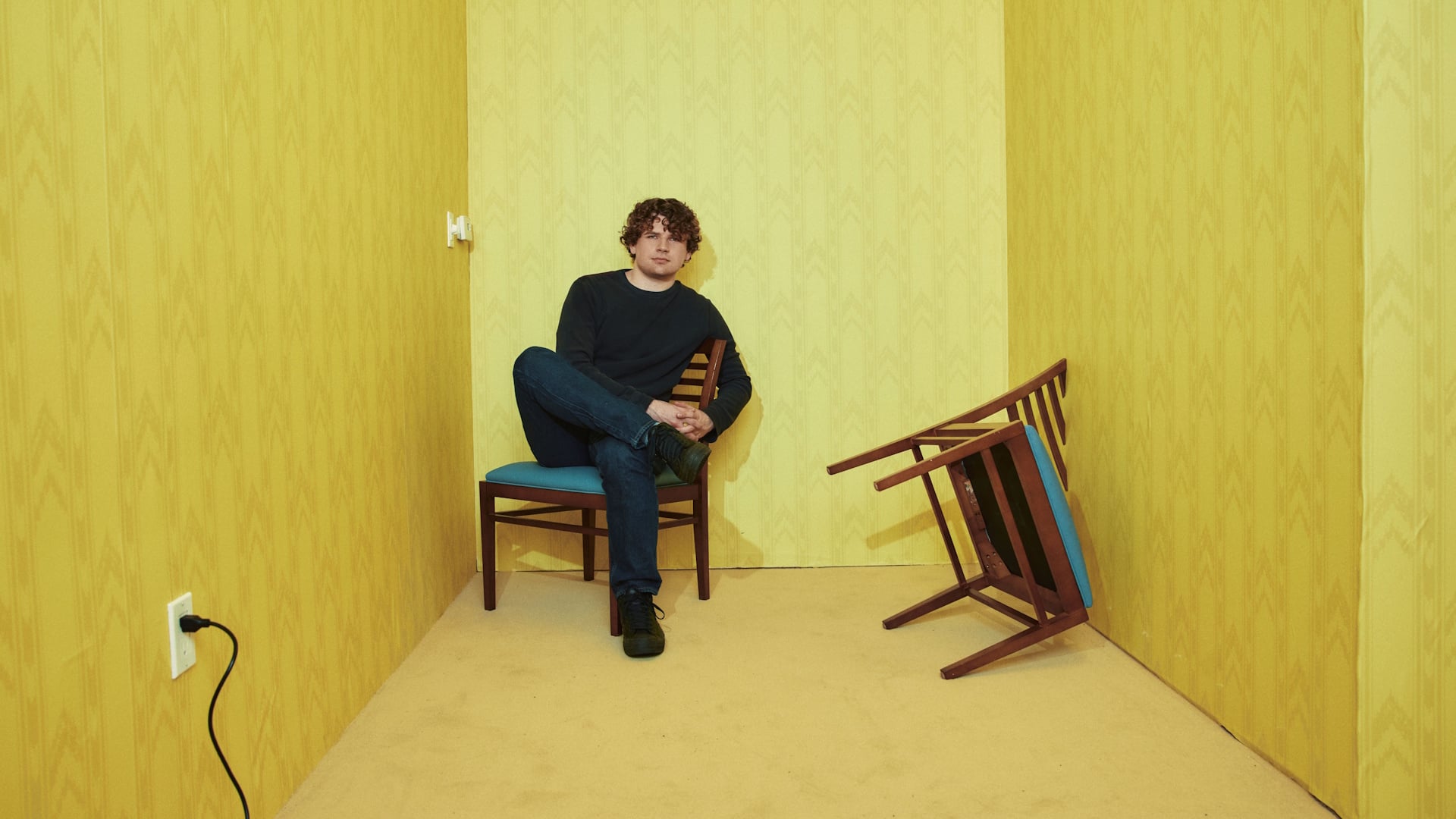
Parsons reciprocated the professional admiration during the same session, though his language remained deliberately circumspect about future possibilities. “I’d love to collaborate with a certain someone in the near future,” the director stated after Kojima’s screening-focused remarks. Prior to the Q&A, Parsons had visited the headquarters of Kojima Productions, a detail that underscores the deliberate nature of the encounter rather than a chance meeting.
A24 as Institutional Bridge
The A24 connection runs deeper than simply producing the Backrooms film and securing its international distribution. The production company is currently working with Kojima to develop a feature film, making A24 a mutual business partner for both creators. A third-party distributor handles the Backrooms release specifically within Japan, but A24 retains the production credit and therefore the institutional relationship that brought Kojima into the film’s domestic promotional efforts.
This arrangement suggests that any future collaboration between Kojima and Parsons would likely operate under A24’s umbrella, giving the company potential involvement in whatever project might emerge from their mutual interest.
The Rating Disparity and Its Consequences
The Backrooms received notably different ratings across major markets, creating an interesting divergence in audience composition. In the United States, the film earned an R rating, restricting viewership to audiences seventeen and older. However, the Japanese version carries a G rating, meaning no age restrictions apply whatsoever.
Unexpected Reactions from Young Viewers
This G rating in Japan produced consequences that Kojima found notable enough to document on Twitter. The screening he attended included numerous parents accompanying young children, a demographic composition that would never occur in US theaters given the R rating. Following the film’s conclusion, Kojima observed children expressing distress about what they had witnessed.
Kojima recalled a specific interaction he observed: “A little boy bombarded his father with questions: ‘The Backrooms are so huge. How did they make them? It has to be CG, right?’ When his father didn’t answer, I almost leaned over and said, ‘It’s all sets,’ but stopped myself.” The anecdote captures both the technical curiosity the film sparked and the children’s visceral response to the environments depicted onscreen.
Production Design Inquiry
The child’s question about whether the Backrooms were created using computer graphics reveals something about how the film communicates its construction to audiences. The environments were actually physical sets rather than digital creation, a distinction that matters to viewers processing what they experienced. Kojima’s impulse to clarify this point suggests he recognized the child’s confusion as meaningful, not merely cute.
Kojima’s Pattern of Cultivating Creative Relationships
This encounter with Parsons follows an established behavioral pattern in Kojima’s career. The game designer has demonstrated a consistent habit of identifying filmmakers, actors, and other creative talent he respects, then finding opportunities to incorporate them into his own projects. The comparison is apt: Kojima collects creative collaborators in much the way a collector pursues rare items, then strategically deploys these relationships across his work.
The Backrooms, with its foundation in user-generated online horror content and its emphasis on liminal spaces and atmospheric unease, contains thematic elements that potentially align with storytelling approaches Kojima has explored throughout his career. The film’s origin as an internet phenomenon adds another dimension—Kojima has shown consistent interest in how digital culture and online communities shape modern narrative.
Understanding the Backrooms Phenomenon
The Backrooms film emerged from an online horror concept centered on liminal spaces—those transitional environments like empty hallways, parking garages, and abandoned office areas that exist between destinations. The original internet content built a sustained following through its exploration of dread and existential discomfort rather than traditional horror violence.
When Kane Parsons directed this online property into a feature film, he carried forward the core appeal of the source material while expanding its scope and cinematic presentation. The film’s international success, demonstrated by Kojima’s involvement in promoting it in Japan months after its US release, indicates the concept’s resonance beyond its original online audience.
Speculation and Next Steps
The exact nature of any potential collaboration between Kojima and Parsons remains unspecified. Neither creator provided concrete details about what form such a partnership might take, whether it would involve a video game, a film, or some other medium entirely. Parsons’ deliberately vague language—referring to “a certain someone” rather than naming Kojima directly—suggests either professional caution or an intention to avoid commitments before discussions conclude.
What seems clear is that both creators view the other’s work with genuine professional respect, and the A24 institutional framework provides a concrete pathway for collaboration should both parties choose to pursue it. The question now becomes whether this public exchange of admiration translates into an actual creative project or remains a notable moment of cross-media professional appreciation.
Frequently Asked Questions
What did Hideo Kojima say about the Backrooms film?
Kojima praised the film's art direction, sound design, story structure, and visual design. He stated "The movie is full of clever tricks, and its art and sound direction are so inspired, it honestly makes me a little jealous!" and added that "the visual design and sound is so well-incorporated, I can hardly compete with such talent!"
Did Kane Parsons and Kojima discuss working together?
Parsons hinted at potential collaboration by saying "I'd love to collaborate with a certain someone in the near future" during the Q&A. Parsons visited Kojima Productions before the screening, suggesting the meeting was deliberately arranged rather than a chance encounter.
What age ratings did the Backrooms receive in different countries?
The film received an R rating in the United States, restricting viewership to those seventeen and older, but a G rating in Japan with no age restrictions. This difference led to young children attending Kojima's Japanese premiere, causing unexpected distress and curious questions about the film's production.
