
Key takeaways
- The Blood of Dawnwalker includes the complete game on disc with no mandatory downloads, a rarity in modern console releases.
- Xbox's disc-to-digital conversion program allows owners of physical Xbox One games to receive digital versions, bridging physical and digital libraries.
- Used physical game availability at retailers like GameStop continues to provide cost advantages for building game collections.
- Premium physical editions with maps and special packaging signal developer confidence and maintain collector value in a digital-focused market.
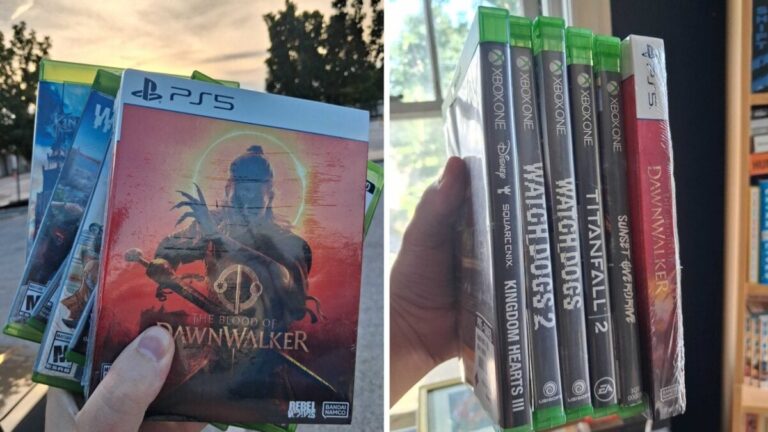
The recent availability of The Blood of Dawnwalker at retail reveals an interesting moment in console gaming, where physical media remains a viable option despite decades of industry predictions about its demise. Rebel Wolves’ open-world RPG, developed by former CD Projekt Red staff, arrived with a full game on disc—no mandatory downloads required for the PS5 day-one physical edition.
This matters because the premium presentation matched what consumers have come to expect from CD Projekt Red releases historically. The standard retail copy ships in a metal case inside a cardboard sleeve, includes a physical map, and contains a thank-you card from the development team. This level of care in physical packaging has become increasingly rare.
Simultaneously, Microsoft’s expansion of its backward-compatibility program now includes a disc-to-digital conversion initiative. Players who own physical copies of older Xbox One titles can obtain digital versions of those games through their platform. This bridge between physical and digital ownership addresses a lingering consumer concern: the ability to transition existing libraries without repurchasing.
Retailers like GameStop continue stocking copies of legacy Xbox One games—Watch Dogs, Watch Dogs 2, Titanfall 2, Sunset Overdrive, and Kingdom Hearts 3 among the titles available—creating an unexpected opportunity for players to build or expand their physical collections at lower price points than new releases.
The intersection of these two trends—a new release receiving premium physical treatment alongside an initiative that validates the ownership of older physical media—suggests the market for tangible game media hasn’t simply vanished. Instead, it has stratified into distinct consumer segments.
The Physical Disc Still Works
Full Games on Disc Remain Possible
The Blood of Dawnwalker represents a deliberate choice to distribute a complete game via physical media. While many modern releases require substantial day-one patches or additional downloads to function, this title included the full experience on the disc itself. This stands in contrast to the industry norm where physical editions increasingly serve as license keys rather than self-contained products.
Packaging Design as Brand Signal
The inclusion of a map alongside the standard case and sleeve indicates developer consideration for the unboxing experience. Third-party publishers rarely invest in this level of presentation anymore; the practice remains common primarily among premium releases from major studios and boutique publishers. The thank-you card from Rebel Wolves personalizes what could otherwise be a generic retail product.
Premium Edition Positioning
The metal case upgrade distinguishes The Blood of Dawnwalker from standard DVD-style cases. This mirrors the premium physical release strategy CD Projekt Red has employed for its launches, suggesting a deliberate effort to create a collector-grade product that justifies the price premium of physical retail over digital distribution.

Xbox’s Backward-Compatibility Bridge
Microsoft’s disc-to-digital conversion program addresses a fundamental question that has constrained digital adoption: what happens to existing physical libraries when a player decides to shift toward digital distribution? The program permits owners of physical Xbox One discs to receive digital license versions, effectively validating their existing hardware investments.
This approach differs from previous digital-only console ecosystems, which abandoned physical owners entirely. By bridging the two formats, Microsoft maintains compatibility with players who built physical collections during the Xbox One generation, when disc purchasing remained common.
The availability of these older titles in used physical copies creates a secondary market advantage. Players seeking to expand their library can purchase pre-owned Xbox One games at significantly lower prices than digital purchases through the Xbox Store, then convert them to digital ownership. Titles like Watch Dogs 2, Titanfall 2, and Kingdom Hearts 3 remain available in GameStop inventory, suggesting ongoing retail traffic for legacy hardware libraries.
Collecting Physical Games Today
The Secondary Market Advantage
Used game availability, primarily through retailers like GameStop, continues to provide cost advantages for players building libraries. Used copies of older releases can be sourced for a fraction of their original retail prices, and in some cases, lower than current digital sale prices. This economic reality—that physical media depreciation can benefit consumers—persists despite industry efforts to migrate players toward digital ownership.
Subscription Services as Discovery, Not Replacement
Players who sampled titles through subscription services like Game Pass previously had no economical path to permanent ownership. The combination of subscription access for trial purposes and backward-compatible disc-to-digital conversion creates a two-tier consumption model: subscribers can test games at no additional cost, then purchase physical copies of titles they want to keep permanently.
Retail Inventory as Archive
GameStop’s continued stocking of Xbox One and PS4-era games indicates sufficient consumer demand to sustain the practice. This maintains a physical archive of recent gaming history in retail spaces, even as major publishers shift almost entirely toward digital-first release strategies.
What The Blood of Dawnwalker Represents
The choice by Rebel Wolves to include the complete game on disc, combined with premium physical packaging, signals confidence in the product’s quality and longevity. Developers have no obligation to provision disc versions of complete games; they could distribute minimal disc packages with mandatory downloads, as many contemporaries do. The decision to ship a finished product on physical media suggests both developer confidence and publisher investment in collector appeal.
This approach also reflects the studio’s pedigree. As a team composed primarily of former CD Projekt Red developers, Rebel Wolves maintained design and distribution practices aligned with that studio’s historical approach to premium physical releases. This continuity in publishing strategy provides a signal of reliability to players skeptical of new studios and first releases.
The Remaining Question
The viability of The Blood of Dawnwalker’s physical release and Xbox’s disc-to-digital program does not suggest physical media will return to dominance. Instead, these developments indicate market segmentation where physical games serve niche purposes: premium collector editions, secondary-market access to older libraries, and players who value tangible ownership regardless of economic considerations.
The act of purchasing physical games—walking out of a store with multiple titles in hand, examining packaging and maps and thank-you cards—persists as a distinct experience from digital acquisition. Whether that experience carries sufficient value to sustain retail distribution over decades remains an open question. For now, retailers continue stocking games, publishers continue releasing physical editions, and players continue purchasing them. The ecosystem survives not through inevitability but through ongoing choices by all three groups.
Frequently Asked Questions
What is The Blood of Dawnwalker?
The Blood of Dawnwalker is an open-world RPG developed by Rebel Wolves, a studio founded by former CD Projekt Red developers. The PS5 day-one physical edition includes the complete game on disc with no mandatory downloads, a metal case, cardboard sleeve, map, and thank-you card from the developers.
What is Xbox's disc-to-digital program?
Xbox's disc-to-digital conversion program allows owners of physical Xbox One game discs to receive digital license versions of those games, creating a bridge between physical and digital ownership without requiring repurchase.
Why do used physical games remain popular?
Used physical games available at retailers like GameStop provide significant cost savings compared to digital purchases, allowing players to build libraries economically. Additionally, the disc-to-digital program enables players to convert older physical copies to digital ownership.
