
Key takeaways
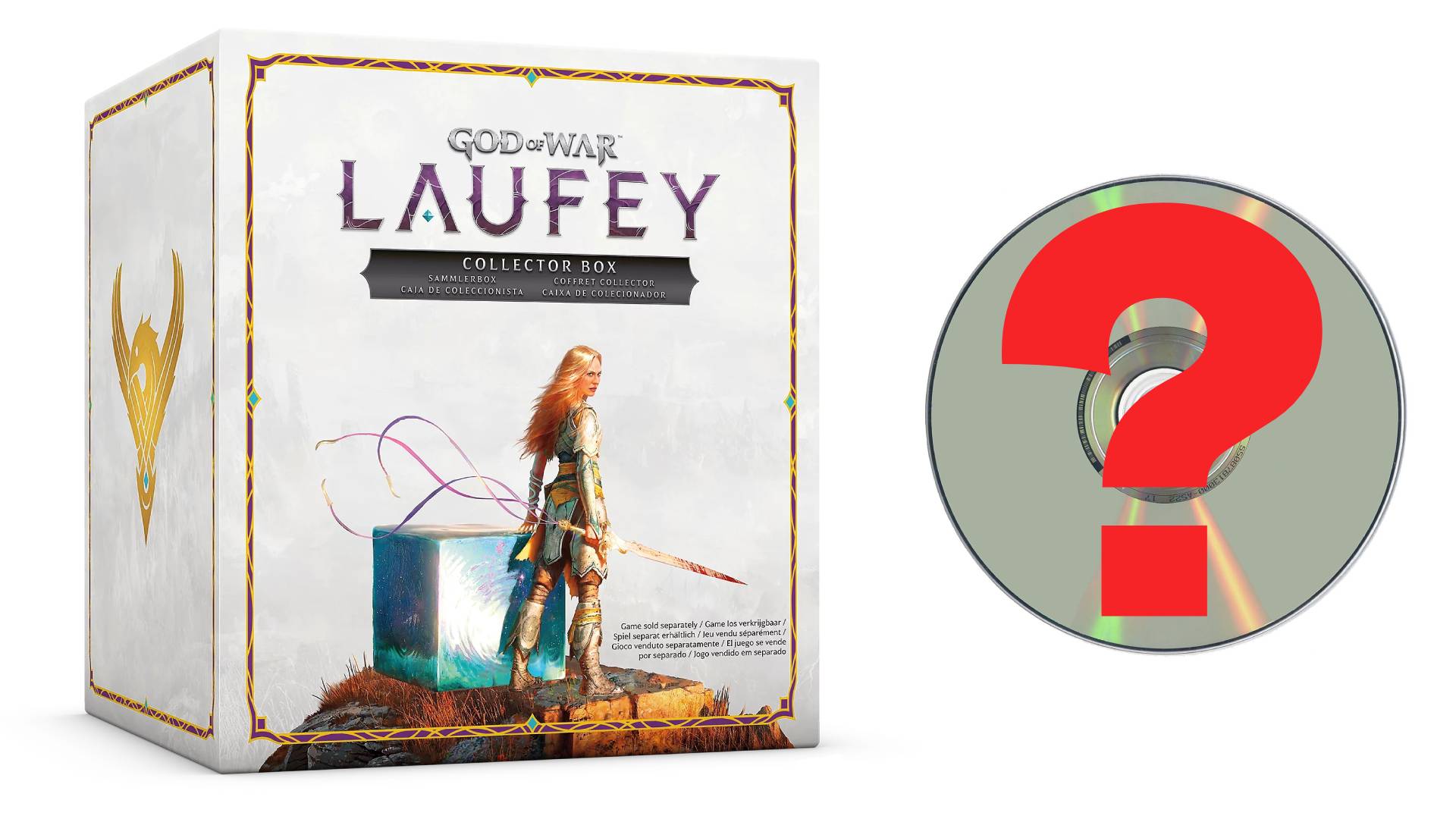
- Santa Monica Studio delayed God of War Laufey from February to May 20, 2027, granting three months for final development on the PlayStation 5 exclusive.
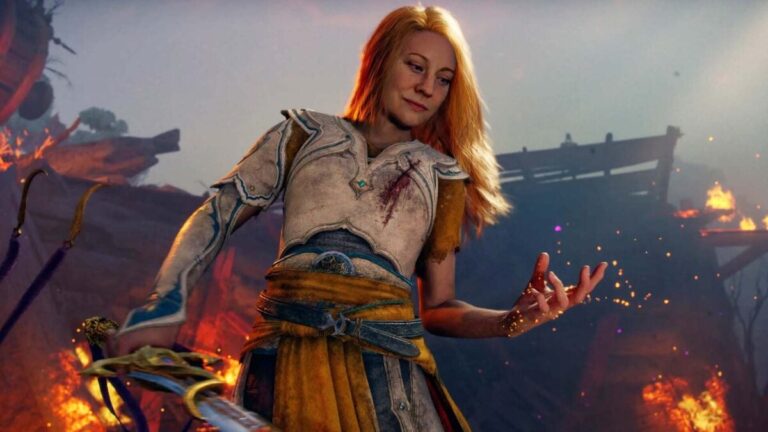
- Faye, Kratos' deceased wife, serves as the protagonist, with her story unfolding in the Everywhen parallel to the events of God of War (2018) and Ragnarök.
- Santa Monica Studio is developing another Kratos-led game that will directly tie into Laufey, signaling plans for a more interconnected God of War franchise.
Santa Monica Studio announced on November 4th that God of War Laufey will not arrive in February as originally planned, instead releasing on May 20, 2027. The decision grants the development team an additional three months to refine the PlayStation 5 exclusive and achieve what the studio describes as the game’s “fullest potential.” The announcement appeared through Santa Monica Studio’s official social media channels, with the team emphasizing its appreciation for fan patience while reaffirming its commitment to delivering an experience worthy of the considerable anticipation surrounding the project.
Understanding the Delay Decision
The timing of this announcement falls eight months after God of War Laufey’s initial reveal at June’s State of Play showcase. In that announcement, Santa Monica Studio introduced not only the game itself but also its unconventional narrative structure and protagonist, generating substantial excitement within the gaming community. The studio’s delay announcement explicitly referenced the level of enthusiasm the community has shown for “Faye’s journey through the Everywhen,” suggesting that the development team views meeting player expectations as a primary factor in the postponement decision.
Three-month delays have become increasingly common among major studios as game complexity grows and quality standards rise throughout the industry. What distinguishes Santa Monica Studio’s handling of this decision is its directness in communication. Rather than allowing word of a postponement to circulate through industry channels or leaks, the studio addressed the player community openly. This approach reflects confidence not only in the eventual quality of the finished product but also in the audience’s willingness to wait for a polished experience rather than settling for something released to meet an arbitrary deadline.
Faye Becomes the Center of the Narrative
A Protagonist the Series Has Not Previously Explored
God of War Laufey represents a significant departure from the franchise’s established structure by positioning Faye, Kratos’ deceased wife, as the central character. Across both 2018’s God of War and its sequel Ragnarök, Faye exists as a defining absence rather than an active participant in events. Her death forms the emotional foundation for the relationship between Kratos and their son Atreus, serving as the primary motivation that drives both games’ narratives forward. By elevating her to protagonist status, Santa Monica Studio signals a fundamental willingness to tell stories within the God of War universe from angles the main series has never centered, even though those games consistently emphasized her presence through memory, influence, and mysterious backstory.
The Everywhen as Setting and Story Device
Faye’s journey takes place within the Everywhen, described as an afterlife realm inhabited by the gods and existing outside conventional time. This setting choice provides the narrative with flexibility that a timeline-bound story could not achieve. Unlike a game that would need to operate within the chronology firmly established by the 2018 God of War and Ragnarök, the Everywhen permits exploration of events from different periods throughout the God of War saga or in spaces entirely removed from the established Norse mythological setting. The setting functions simultaneously as a physical environment players will navigate and explore and as a conceptual framework that grants the narrative unusual freedom to examine past events, present alternate perspectives on familiar moments, and deliver information that was previously unavailable to Kratos and Atreus during the main series.
Narrative Structure and Fan Speculation
Running Parallel to Established Canon
Santa Monica Studio has indicated that Laufey’s narrative unfolds parallel to the events occurring in both 2018’s God of War and Ragnarök. Within this parallel timeline, Faye works to assist her family from a vantage point beyond their direct awareness or perception. This parallel structure creates multiple interpretive possibilities for how the game’s story will relate to the events players have already experienced. The narrative could fill unresolved gaps that the main series left open, providing definitive answers to questions that have lingered since those games’ conclusions. Alternatively, it could present alternate angles on moments the player has already witnessed, revealing what was happening elsewhere in the God of War universe while Kratos and Atreus pursued their own quests and faced their own trials.
Potentially Resolving Long-Standing Questions
The announcement has sparked considerable speculation within the community that Faye’s knowledge and actions might explain elements from the main series that have puzzled players—certain plot points that seemed discontinuous or character behaviors that appeared unexplained. Santa Monica Studio has deliberately maintained vagueness about which specific narrative questions the game intends to address, a choice that preserves player surprise while implying the developers aim to enrich the established canon rather than introduce contradictions. This careful approach rewards players willing to revisit the earlier games with fresh perspective, as Faye’s appearances in those titles may carry previously unrecognized significance or hidden dimensions of meaning once her complete story becomes known.
The Broader Vision for God of War’s Future
Laufey is not destined to exist as an isolated project within the franchise. Santa Monica Studio has officially confirmed that development on another Kratos-led game is currently underway and will directly tie into the events that unfold throughout Laufey. This revelation fundamentally reframes Laufey not as a standalone spinoff but as the beginning of a larger narrative expansion designed to deepen the God of War universe. The studio’s decision to create overlapping projects where one game’s story informs the trajectory and events of another indicates a distinct creative ambition to develop a more interconnected God of War universe than the relatively self-contained structure that characterized previous entries in the series.
Rather than conceiving separate stories that merely happen to share characters and setting, Santa Monica Studio appears to be committing itself to constructing a cohesive narrative that spans across multiple individual titles. The May 2027 release date provides the development team with the time necessary to ensure both projects maintain consistent quality standards and thematic resonance. For players, the three-month delay communicates that the studio prioritizes delivering the complete vision it has conceived rather than rushing to meet an arbitrary release window.
Source: Kotaku
Frequently Asked Questions
When is God of War Laufey releasing?
God of War Laufey will release on May 20, 2027 for PlayStation 5. The game was originally targeted for February 2027 before Santa Monica Studio announced the three-month delay on November 4, 2026.
Who is the protagonist in God of War Laufey?
Faye, Kratos' deceased wife, serves as the protagonist. Her story takes place in the Everywhen, a godly afterlife realm existing outside normal time, where she works to assist Kratos and Atreus from beyond.
How does Laufey connect to the main God of War story?
Laufey's narrative unfolds parallel to both God of War (2018) and Ragnarök, potentially filling narrative gaps or providing alternate perspectives on established events. Santa Monica Studio is also developing a separate Kratos-led game that will directly tie into Laufey.
