
Key takeaways
- Fields of Mistria separates romance and friendship mechanics, allowing players to experience every NPC's story regardless of romantic interest.
- March transitions from insufferable to sympathetic through a system that rewards consistent kindness and demonstrates genuine respect for craftsmanship.
- The game deliberately manipulates players into emotionally investing in initially unlikeable characters by showing how dedication and skill earn grudging respect.
Fields of Mistria launched into full version status last week, arriving as a thoughtfully designed farming simulation that borrows generously from its genre predecessors. Stardew Valley provides the foundation, but the developers have implemented quality-of-life improvements throughout the experience. Additional mechanics draw inspiration from Animal Crossing’s community focus and Harvest Moon: A Wonderful Life’s character depth. What distinguishes Mistria is how it handles relationships with the townspeople you’ll encounter. The game permits you to choose at specific moments whether your connections with NPCs develop into romance or remain as meaningful friendships. This approach means you never feel like you’re missing major story elements simply because you’re uninterested in a particular character romantically.
This design philosophy creates an interesting challenge: befriend everyone, even those you’d rather ignore. That’s exactly what happened with March, the town blacksmith, whom I can only describe as an absolute jackass.
Meeting March: First Impressions
The Appearance and Attitude
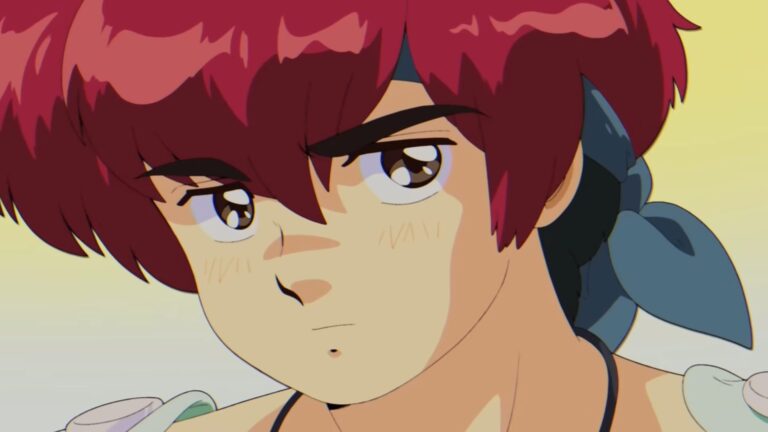
The blacksmith’s presence immediately communicates his personality—and it isn’t welcoming. Red hair frames a face that seems perpetually offended by the surrounding world. He wears an expression suggesting he’s constantly smelling something foul. He’s the younger brother of Olric, who represents the opposite end of the personality spectrum: a genuinely likeable individual more interested in rocks than romance, yet perpetually defending his genuinely terrible sibling at every turn. March earned his position as town blacksmith through demonstrated skill—he’s award-winning and renowned throughout the community. That accomplishment has inflated his ego to impossible proportions.
The Superiority Complex
He looks down on the townspeople collectively and treats the player character with particular contempt because you’ve arrived recently and everyone seems happy to know you. The attention you receive represents a direct threat to his sense of superiority. You took something from him—not physically, but socially. Adeline gave you the farm he probably wanted to expand his blacksmith operation into. She asked for your help when she could have asked him. And worst of all, you actually delivered, proving yourself capable in ways that his ego resents acknowledging.
The Initial Rejection
Why March Drives You Away
Your first interactions reveal exactly what you’re dealing with. March gets angry when you approach him. He rejects gift offerings that other villagers at minimum tolerate. Flowers mean nothing to him—he wants valuable materials like ore, things he can use in his craft. He’s bitter about Adeline trusting you, then even more bitter when you actually help successfully. He embodies the exact personality type you actively avoid in reality: the smugly arrogant person who makes every conversation feel like a personal attack. In Stardew Valley, I simply pretended the similarly snobby Haley didn’t exist. The rational choice would be identical with March—ignore him completely, focus your energy elsewhere, let him stew in his own bitterness.
Olric’s Intervention
That plan immediately falls apart when Olric approaches you early in the game with a simple request: give his brother a chance. Olric is fundamentally good, almost aggressively decent, someone whose happiness matters deeply. You can’t refuse him. That’s how you end up spending nearly every day trying to have conversations with someone who clearly doesn’t want to interact with you, armed with dialogue options that employ sarcastic fake cheerfulness as a manipulation tactic. It probably doesn’t help that these responses only infuriate him further. You have to wonder if March’s constant anger partially results from being repeatedly needled by someone while he’s actively working.
The Slow Transformation Begins
Despite the resistance, you start presenting March with thoughtful gifts—things you know he’d actually appreciate and use rather than dismiss immediately. You ask him about his interests and work. You show up day after day, week after week, engaging someone who clearly wanted absolutely nothing to do with you. And then something unexpected happens. Very gradually, almost so subtly you might miss it, he starts becoming less hostile. Of course he does. This follows the established pattern for characters like March in narrative design, and recognizing that pattern makes you resent the emotional manipulation even as you feel it working.
What emerges about March’s actual character is genuinely interesting. He respects excellence and craftsmanship above nearly everything else. Demonstrate genuine skill in any area and earn his grudging acknowledgment. He’ll compliment Hemlock on his beer-making abilities. He’ll recognize Juniper’s exceptional bathhouse operations. Anyone showing real dedication to their craft lands marginally higher on his internal ranking than those he perceives as coasting or aimless. This detail recontextualizes his rudeness—it’s not simple arrogance but contempt for mediocrity, or at least for people he categorizes that way.
The Uncomfortable Psychology of Redemption Arcs
The real issue with March, the part that genuinely bothers you, is how the game makes his redemption feel almost inevitable once you recognize the pattern. The systems practically guarantee that sustained kindness and thoughtful gestures will eventually erode even the most fortified emotional walls. You shouldn’t have to invest enormous energy pulling basic human decency from someone this petulant and emotionally withholding. People matching this description in real life drain everyone around them, operate as emotional anchors that pull you down.
And yet Fields of Mistria is specifically engineered to make you do exactly this work, repeatedly, day after day, until you’ve committed enough emotional labor that you’ve unconsciously started caring about someone fundamentally unlikeable. He absolutely has a tragic backstory waiting to be revealed, the kind of explanation designed to generate sympathy. You know this is coming. You can feel the setup. And you genuinely don’t want it to work because you’re too aware of how the manipulation functions.
The Moment Everything Changes
You should redirect your attention toward Celine, whose earnestness reads as genuine, or Valen with his cool demeanor, or Ryis with his quiet empathy. Those are the sensible romantic choices, the characters actually deserving your time and emotional investment. But there’s a copper bar taking up space in your inventory. It serves no purpose for your current needs. March could use it, could craft something valuable from it. What if you simply gave it to him? Not as another forced attempt to change his personality, but because it made logical sense. It would make Olric happy, certainly. That’s the real reason, the only reason that matters. Olric’s wellbeing, not March’s feelings.
His response to that copper bar was almost kind. Not warm, not particularly friendly, but something approaching actual appreciation filtered through his usual guardedness. He was probably just having an unusually good day though. He doesn’t genuinely like you. He doesn’t like anyone except maybe his brother. He’s fundamentally a terrible person and absolutely nobody would want to marry him.
That copper bar has been sitting in your inventory less frequently these days.
Frequently Asked Questions
What makes March different from other NPCs in Fields of Mistria?
March is the arrogant town blacksmith who starts deliberately hostile but gradually softens when you demonstrate genuine interest in craftsmanship and give him thoughtful gifts he can actually use for his work.
Can you choose not to marry characters in Fields of Mistria?
Yes, the game allows you to choose at certain points whether your relationship with each NPC becomes romantic or remains a deep friendship, ensuring you don't miss their story either way.
Why does March begin to respect the player character?
March respects craftsmanship and skill above all else, so when you demonstrate genuine interest in blacksmithing and offer him valuable materials like copper bars and ore, he gradually acknowledges your worth.
