
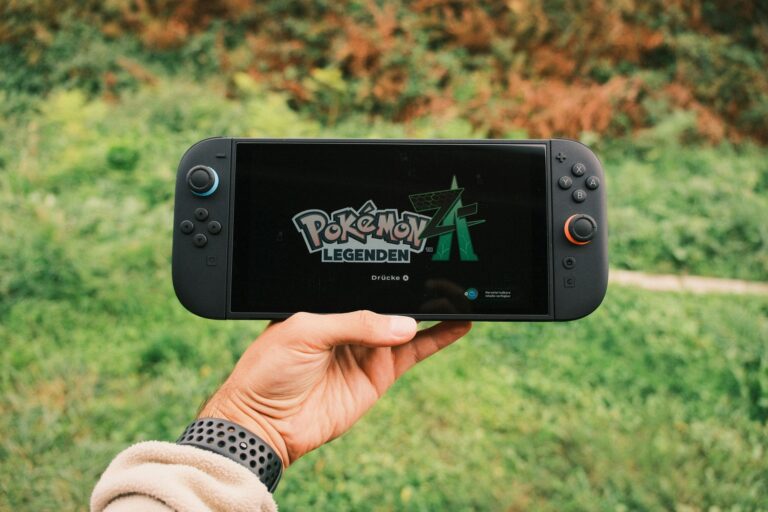
Key takeaways
- Pokémon Red and Green launched in Japan on February 27, 1996, developed by Game Freak and published by Nintendo .
- Nintendo released Pokémon Red and Blue internationally in 1998, accompanied by a comprehensive marketing strategy that extended beyond the games themselves.
- As players accumulated thousands of hours in Pokémon games, competitive communities emerged around optimizing team composition, breeding for specific statistics, and executing intricate battle strategies.
- Pokémon games progressed through Nintendo ’s hardware generations, with each mainline entry introducing new Pokémon species and mechanical innovations.
Pokémon stands as one of the most successful media franchises in human history, generating over $100 billion in revenue across games, trading cards, merchandise, and entertainment properties. The franchise emerged from a single pair of Game Boy titles in 1996 and expanded into a cultural force that transcended gaming to influence mainstream entertainment worldwide. Understanding Pokémon’s trajectory reveals how strategic game design, multimedia integration, and community engagement transformed a niche handheld experience into a multigenerational phenomenon.
The Foundation: Game Freak’s Revolutionary Design
Pokémon Red and Green launched in Japan on February 27, 1996, developed by Game Freak and published by Nintendo. The games introduced a revolutionary mechanic: players captured, trained, and battled fictional creatures called Pokémon against computer opponents and other players. Each Pokémon possessed unique attributes, abilities, and evolutionary paths, creating a collection-based gameplay loop that encouraged players to interact with one another to complete their Pokédex—the in-game encyclopedia of all Pokémon species. The core appeal centered on the social aspect; players needed to trade with friends to obtain version-exclusive Pokémon, making the Game Boy Link Cable (a physical cable connecting two Game Boy systems) essential hardware for the complete experience.
The initial Japanese release featured 151 Pokémon species and sold over 10 million copies within its first year. Game Freak’s design philosophy prioritized accessibility for younger players while embedding strategic depth that appealed to competitive audiences. The turn-based battle system, type matchups (where certain Pokémon types held advantages against others), and stat-based mechanics created a framework that remained engaging across hundreds of hours of gameplay.
International Expansion and the Trading Card Phenomenon
Nintendo released Pokémon Red and Blue internationally in 1998, accompanied by a comprehensive marketing strategy that extended beyond the games themselves. The Pokémon Trading Card Game launched in Japan in October 1996 and reached North America in March 1999, featuring collectible cards depicting Pokémon with varying rarity levels and gameplay mechanics. This parallel product line transformed Pokémon from a video game franchise into a multimedia ecosystem where players could engage with the intellectual property through multiple mediums simultaneously. The trading cards became a cultural phenomenon among schoolchildren, with certain cards achieving astronomical secondary market values.
The Pokémon anime series, which premiered in Japan in April 1997, provided crucial narrative context and character development that deepened player attachment to the franchise. The anime followed Ash Ketchum, a young trainer attempting to become a Pokémon Master, as he traveled with Pikachu and a rotating cast of human and Pokémon companions. By 1999, the anime had reached international audiences and generated merchandise sales that dwarfed even the video game revenue, creating a self-reinforcing cycle where each media property promoted the others.
The Competitive and Metagame Evolution
As players accumulated thousands of hours in Pokémon games, competitive communities emerged around optimizing team composition, breeding for specific statistics, and executing intricate battle strategies. The term “metagame” (short for meta-game) refers to the evolving competitive landscape where the most effective strategies, Pokémon, and movesets shift based on what other players are using. Official Pokémon World Championships began in 2004, establishing standardized formats and ruleset restrictions that balanced competitive play while maintaining accessibility for amateur players. These tournaments attracted sponsorships from major corporations and offered prize pools exceeding $100,000, legitimizing Pokémon as an Esports title alongside games like StarCraft and Counter-Strike.
The introduction of Pokémon Showdown, a free online battle simulator developed by community members, democratized competitive play by allowing players to test teams without breeding or training requirements. This tool fundamentally altered how competitive communities developed strategies, enabling rapid iteration and discussion of viable team compositions. Players worldwide could now engage in competitive Pokémon battles without purchasing hardware, eliminating barriers to entry for aspiring competitors.
Technological Advancement and Platform Evolution
Pokémon games progressed through Nintendo’s hardware generations, with each mainline entry introducing new Pokémon species and mechanical innovations. Pokémon Gold and Silver (1999) introduced 100 new Pokémon and pioneered a real-time day-night cycle that affected which creatures appeared in the wild and which moves Pokémon could learn. The transition to Game Boy Advance enabled enhanced graphics and larger Pokédex entries, while the Nintendo DS introduced touchscreen mechanics and online connectivity through the Nintendo Wi-Fi Connection service. These technological upgrades maintained player interest across decades by consistently offering novel experiences while preserving core gameplay mechanics that defined the franchise.
The release of Pokémon Go in July 2016 represented a seismic shift in how players engaged with the franchise. Developed by Niantic and published by The Pokémon Company, Pokémon Go utilized augmented reality (a technology overlay that superimposes digital elements onto the real world through a smartphone camera) to transform urban and suburban environments into hunting grounds for Pokémon. The game encouraged physical movement, social interaction, and location-based exploration, introducing Pokémon to demographics that had never engaged with the mainline games. Within months, Pokémon Go generated billions in revenue and reinvigorated the franchise’s cultural presence after years of declining mainstream attention.
Frequently Asked Questions
Who created Pokémon and what inspired the concept?
Satoshi Tajiri and Ken Sugimori, the founder and lead designer of Game Freak respectively, created Pokémon. Tajiri drew inspiration from his childhood hobby of collecting insects, envisioning a game where players could collect and battle digital creatures. The Game Boy’s Link Cable capability directly influenced the design, as Tajiri wanted to create a game that encouraged social interaction and trading between players.
How many Pokémon species exist across all games?
As of the latest mainline games, over 1,000 Pokémon species have been introduced across nine generations of games. The original Red and Blue featured 151 species (including the secret Pokémon Mew), and each subsequent generation has added between 70 and 156 new creatures while expanding the competitive and narrative depth of the franchise.
What is the difference between Pokémon versions and why do multiple versions exist?
Pokémon games release in paired versions (such as Red and Blue, or Sword and Shield) where each version contains version-exclusive Pokémon that only appear in that specific game. This design intentionally encourages trading and multiplayer interaction, as players must connect with others to complete their Pokédex and experience the full roster of available creatures.
Pokémon evolved from a single Game Boy title into a multimedia juggernaut by combining accessible gameplay mechanics with strategic depth, consistent world-building across multiple media formats, and community-driven engagement systems. The franchise’s enduring success demonstrates how thoughtful game design paired with comprehensive multimedia integration creates entertainment properties that transcend generational boundaries and maintain cultural relevance across decades.
