
Key takeaways
- Rhythm Heaven Groove features 60 new single-player rhythm games and 30 multiplayer experiences, marking Nintendo and co-developer TNX Music Recordings’ most ambitious rhythm title since the franchise’s inception.
- The Rhythm Heaven franchise has quietly become one of Nintendo’s most consistent performers, generating $251 million in worldwide revenue across 5,182,047 units sold through September 2025.
- The Rhythm Heaven franchise experienced an unprecedented hiatus spanning 2015 to 2026, a dormancy directly attributable to Tsunku♂’s laryngeal cancer diagnosis and recovery period.
Nintendo’s Rhythm Heaven franchise returns to Nintendo Switch on July 2, 2026, with Rhythm Heaven Groove—the first new entry in over a decade—introducing a “surprisingly hard” new Perfect system and 100+ rhythm minigames designed to test players’ precision and patience. The long-awaited sequel arrives after series producer Tsunku♂ battled laryngeal cancer, a health crisis that halted the franchise for eleven years following 2015’s Rhythm Heaven Megamix. Early reviews reveal that Groove scored 82 on Metacritic, breaking the series’ historic 83-point streak across all previous international releases.
A Franchise Returns with Harder Challenges
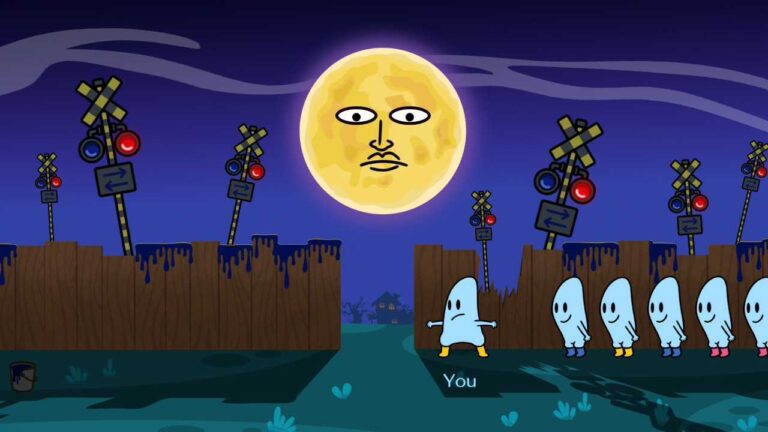
Rhythm Heaven Groove features 60 new single-player rhythm games and 30 multiplayer experiences, marking Nintendo and co-developer TNX Music Recordings’ most ambitious rhythm title since the franchise’s inception. The new Perfect system fundamentally changes how players score and progress, replacing the familiar “Good/OK/Miss” feedback with stricter precision requirements that critics describe as a significant jump in difficulty compared to earlier entries. This mechanical shift explains why the game’s Metacritic score dipped one point to 82/100, despite maintaining the series’ reputation for polish and creative design.
Producer Tsunku♂ noted that Rhythm Heaven Groove “spent several years in development,” a timeline reflecting both the complexity of modernizing the franchise for Switch and the creative recovery period following his personal health battle. The game’s localization efforts extended this development window further, with Tsunku♂ specifically highlighting that the character Li’l Miss Reeds receives a different voice in every language the game releases in—a detail that underscores Nintendo’s commitment to regional authenticity. At $39.99 USD, Groove positions itself as a premium rhythm experience for the Switch’s installed base.
Why This Matters: The Rhythm Heaven Legacy at Stake
The Rhythm Heaven franchise has quietly become one of Nintendo’s most consistent performers, generating $251 million in worldwide revenue across 5,182,047 units sold through September 2025. Despite never achieving the mainstream blockbuster status of Mario Kart or Animal Crossing, the series maintains a devoted fanbase that expects both creative minigame design and fair-but-challenging difficulty curves. Groove’s harder difficulty represents a calculated risk: appealing to veteran players hungry for tougher content while potentially alienating newcomers expecting the accessible rhythm gameplay that defined earlier entries.
The franchise’s commercial resilience across multiple Nintendo hardware generations—from Game Boy Advance to DS to Wii to 3DS to now Switch—demonstrates that rhythm games occupy a unique niche in Nintendo’s portfolio. Each entry scored identically at 83 on Metacritic before Groove’s 82, a remarkable consistency that speaks to the series’ design philosophy. The slight dip to 82, paired with IGN’s 90/100 review, suggests that Groove’s increased difficulty appeals strongly to hardcore players while dividing the broader critical consensus.
Critical Reception and the Difficulty Question
Critics reviewing Rhythm Heaven Groove on Metacritic (53 reviews aggregated) and OpenCritic (92% recommend) have singled out the game’s “surprisingly hard” minigames as a defining characteristic, with multiple outlets noting that the new Perfect system demands pixel-perfect timing rather than the more forgiving windows of previous titles. This difficulty spike directly correlates with the frustration angle of the gaming community, where players report struggling through specific rhythm game sequences that require rapid-fire input changes and unexpected tempo shifts. The game’s constant switching between different gameplay styles—a Rhythm Heaven trademark—intensifies the frustration when players fail complex transitions during back-to-back minigames.
OpenCritic’s 83% community recommendation score indicates that while critics praise Groove’s ambition and creative minigame design, player satisfaction remains slightly below the franchise’s historical 83-point Metacritic baseline. This gap between critical acclaim and user satisfaction aligns with industry patterns where rhythm games with increased difficulty curves attract praise from journalists but generate controller-throwing frustration among casual players expecting approachable entertainment.
A Franchise Rebuilt After Eleven Years
The Rhythm Heaven franchise experienced an unprecedented hiatus spanning 2015 to 2026, a dormancy directly attributable to Tsunku♂’s laryngeal cancer diagnosis and recovery period. This eleven-year gap represents a critical chapter in rhythm game history, demonstrating how a single creator’s health crisis can pause an entire franchise despite its commercial viability. Tsunku♂’s eventual recovery enabled Nintendo to greenlight Groove, positioning the composer-producer as the creative cornerstone of the franchise’s resurrection.
Historically, Rhythm Heaven established itself as a “sleeper hit every generation,” with individual entries selling between 720,000 units (Fever on Wii) and 3.04 million units (the original Rhythm Heaven on DS). Megamix, the last entry released in 2015, moved 1.03 million units across the 3DS install base, proving that rhythm games could sustain commercial momentum even in Nintendo’s handheld ecosystem. Groove’s Switch launch targets a significantly larger audience than any previous entry, with the Switch’s 139+ million unit install base dwarfing the 3DS’s final numbers.
What Players Should Watch Going Forward
Nintendo has not yet confirmed Rhythm Heaven Groove’s compatibility with the Nintendo Switch 2, currently listing the title’s next-generation console status as “untested.” This uncertainty could frustrate players planning to upgrade to Switch 2 hardware later in 2026 or beyond, particularly if backward compatibility remains limited. The announcement approach—delivered via social media rather than a major Nintendo Direct showcase—suggests Nintendo may position Groove as a mid-tier Switch release rather than a system-defining title, despite the franchise’s dedicated fanbase.
The franchise’s future hinges on how Groove performs commercially and critically over its first year on Switch. If the harder difficulty curve alienates casual players while attracting rhythm game enthusiasts, Nintendo may recalibrate the difficulty balance for potential future entries. Conversely, if Groove becomes a surprise hit—breaking the franchise’s typical sleeper-hit trajectory to achieve mainstream recognition—the publisher may prioritize more ambitious rhythm experiences that push precision requirements even further. The next eleven years of Rhythm Heaven’s evolution begin now.
