
Key takeaways
- Video game franchises dominated Spirit Halloween's 2026 inventory, with Nintendo, Fortnite, and Call of Duty all represented, though many appeared as unlicensed knockoffs alongside official products.
- Fortnite and Poppy Playtime costumes showed signs of oversaturation and slower sales this year, with inventory still full days before Halloween despite years of consistent stocking.
- Spirit Halloween marketed horror-film costumes like Art the Clown from Terrifier to parents for babies and young children, despite describing the source films as among the goriest in recent years.
- Manufacturing quality varied significantly, with some costumes featuring obvious design flaws like missing garments and non-functional animatronics.
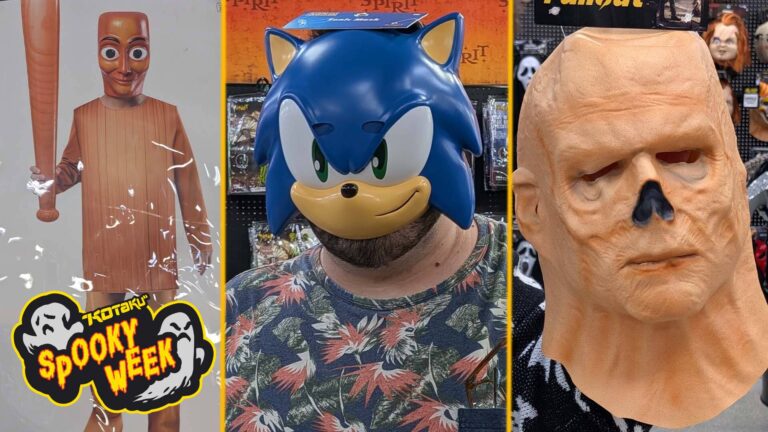
Kotaku visited a Spirit Halloween location earlier this week to survey the store’s 2026 inventory as Halloween approached. The tour revealed how thoroughly video game franchises now penetrate American Halloween retail, what trends in licensing and manufacturing are shaping the market, and some genuinely troubling decisions around appropriate costumes for children.
Video Games Occupy Prime Retail Real Estate
The Nintendo section dominated the store’s adult area, with an unexpected emphasis on Luigi costumes while the children’s section offered broader variety from the broader Mario universe. The store stocked an unlicensed adult Peach costume alongside official branded children’s versions, likely because, as Kotaku noted, Nintendo had “drawn the line on licensed ‘sexy’ versions of its characters” when other publishers filled entire walls with adult interpretations.
Stripped-Down Designs and Better Efforts
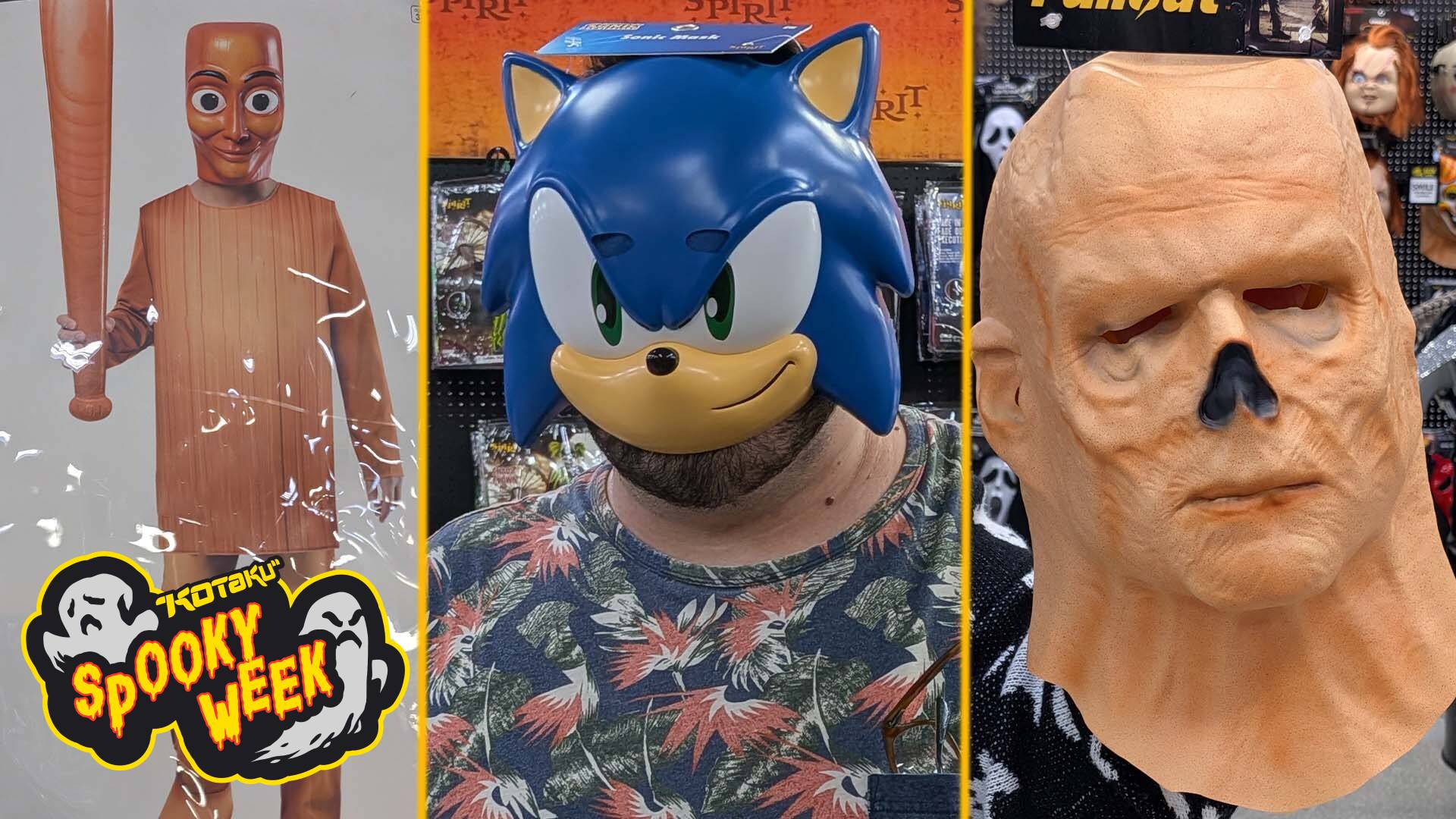
Pokemon costumes appeared primarily as basic onesies with hoods, a simplified approach that disappointed the Kotaku team. Better-received options included Halo costumes marketed for younger children as “John Halo,” Sonic the Hedgehog and Shadow variants, and Nightmare Before Christmas offerings featuring Jack Skellington and Sally that, according to Kotaku, “had everyone in our group genuinely delighted.”
Licensed Properties Versus Knockoff Inventory
The store exemplified a persistent retail problem: unlicensed knockoffs sitting directly next to or replacing official products. A knockoff Mortal Kombat ninja costume remained on shelves despite the franchise’s recent resurgence through films and its 2023 inclusion in Fortnite, paired with what Kotaku described as “good” games over the past decade. Two separate Call of Duty Ghost costumes—one adult, one for children—offered no variation, just duplication of a knockoff design. Star Wars properties fared poorly; the Chewbacca costume looked notably worse than “the hard mask Spirit used to sell” in previous years.
Generic Fantasy References Without Branding
An entire weapons section featured unbranded swords clearly intended to evoke Game of Thrones, World of Warcraft, and Final Fantasy, with no official licensing indicated. This pattern suggested a deliberate retail strategy: capitalize on franchise recognition while avoiding licensing fees.
Oversaturation and Declining Interest Signals
Fortnite’s costume wall has “grown and grown” over many years, but this year showed different patterns. According to Kotaku, “I didn’t spot too many new additions, and even more damning: It was still filled with costumes this close to Halloween,” raising questions about whether younger audiences had moved away from the battle royale. Poppy Playtime merchandise displayed similar signals, with less inventory present than in previous years—a visible shift that suggested the horror-adjacent franchise’s market momentum had cooled.
Manufacturing Quality and Design Failures
Multiple costumes exhibited poor engineering choices or questionable design intent. One adult Spider-Man costume lacked pants entirely, positioned directly next to a complete Spider-Man suit, creating obvious confusion about product intent or manufacturing error. A Ladypool costume nearby suggested attempted “sexy” superhero adaptations executed without clear creative direction.
Five Nights at Freddy’s received qualified praise for being “a damn good-looking real animatronic version of a fictional animatronic,” but the prop failed to activate during Kotaku’s visit around 7:30 p.m., rendering it a non-functional display piece. This raised practical concerns about the reliability of elaborate costume props in retail environments.
Horror Franchises in Children’s Sizes
Several costume selections raised serious concerns about age appropriateness. Terrifier costumes marketed for infants and small children dressed them as Art the Clown, a murderous character from films that Kotaku identified as “some of the most gory horror movies in recent years.” The reviewer noted the uncomfortable reality: “the babies wearing this outfit have no idea who Art the Clown is and are innocent. But the parents dressing up their kids as a murderous clown from some of the most gory horror movies in recent years should really think about why they are doing that.”
Niche Gaming References and Obscure Variants
A purple Jason mask inspired by his appearance in “the infamous NES game based on the Friday the 13th Movies” occupied shelf space, raising questions about how many consumers under 30 possessed the gaming knowledge to recognize the reference. A Ghost Face variant costume derived from a video game adaptation rather than the Scream films would require young wearers to “explain its strange origins as a variant of the Ghost Face mask seen in a video game, not the famous Scream movies.” A Fallout Ghoul mask appeared alongside a knockoff version, while a Backrooms Hazmat suit represented internet creepypasta culture, though Kotaku noted the irony that “the only real costume-able thing they could come up with was a Hazmat suit” rather than the surreal architecture the internet had popularized.
Contentious Character Redesigns
Oogie Boogie from The Nightmare Before Christmas had been “effectively rebranded in a lot of merch and even in Disney Dreamlight Valley as a green dude because I guess he glows under a blacklight,” according to Kotaku’s observation. The redesign proved controversial: “many people disagree over whether or not his greenification is a good thing,” with Kotaku’s reviewer joining what they called “Team Burlap” in skepticism.
Artificial Intelligence in Halloween Retail
AI-generated costume designs had penetrated Spirit Halloween’s shelves, prompting reflection on cultural shifts. Kotaku observed: “It’s wild to think that for younger kids, these bizarre AI-generated nightmares are likely more famous and recognizable than a Star Wars hero or DC Comics villain.” The reviewer expressed uncertainty about actual consumer demand, questioning “how many kids actually buy these costumes or if this is just dudes in suits chasing trends.”
The Standard “Sexy” Section
As Kotaku noted, “a wall like this is mandatory in every Spirit Halloween store,” referring to the collection of adult-oriented costumes. This year’s inventory included numerous variations of police uniforms and similar designs, reflecting standard retail practice for adult Halloween shopping.
What This Year’s Inventory Signals
The 2026 Spirit Halloween store reflected gaming culture’s integration into mainstream holiday traditions, with franchises like Fortnite, Poppy Playtime, and Terrifier occupying significant retail prominence. The prevalence of unlicensed knockoffs alongside official products indicated inconsistent licensing strategies across publishers. Oversaturation of specific franchises—particularly Fortnite and SpongeBob—suggested market saturation and potential declining interest among target demographics. Quality control issues and inappropriate children’s costumes raised separate concerns about manufacturing standards and retail decision-making around developmental appropriateness.
Source: Kotaku
Frequently Asked Questions
What video game franchises dominated the Spirit Halloween store Kotaku visited?
Nintendo, Fortnite, Halo, Call of Duty, Sonic the Hedgehog, Five Nights at Freddy's, and Poppy Playtime all had significant shelf space. The store included both official licensed costumes and numerous unlicensed knockoffs.
Did Kotaku notice any major differences in Fortnite inventory compared to previous years?
Yes. Kotaku noted the Fortnite costume wall had grown significantly over many years, but this year showed far fewer new additions and costumes remained in stock close to Halloween, suggesting declining interest among younger consumers.
What concerned Kotaku about children's costume selections at the store?
The store marketed Terrifier costumes—based on films Kotaku identified as among the goriest horror movies in recent years—to parents for infants and small children who would have no understanding of the character's origin.
