
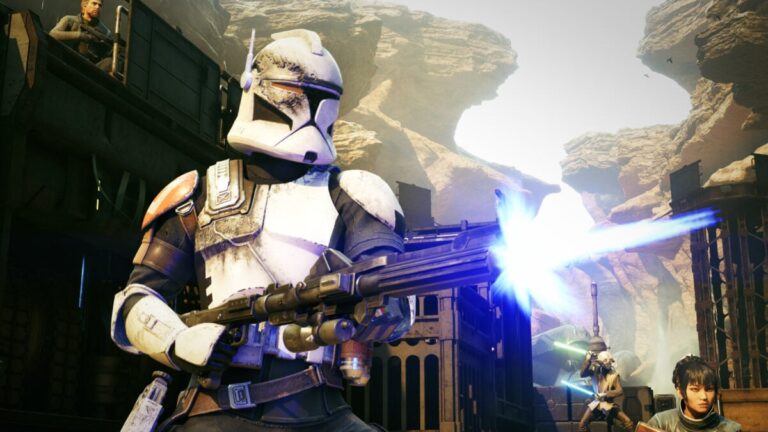
Key takeaways
- Star Wars: Zero Company achieved the highest Metacritic score for a Star Wars game at launch since Knights of the Old Republic II in 2004.
- Up to 80% of Bit Reactor's staff were furloughed in the weeks before the game's August 27 release, leaving a skeleton crew for post-launch support.
- Former COO Alison Kelly filed a lawsuit against cofounder Greg Foertsch, alleging he forced her out and denied her equal ownership stake.
- The studio's future remains uncertain, with unclear sales figures and an ownership dispute scheduled for trial in 2027.
Bit Reactor’s debut title has become one of the most critically acclaimed Star Wars games in two decades, yet a cloud of labor dispute overshadows its launch. In the weeks leading up to the August 27 release of Star Wars: Zero Company, the studio furloughed as many as 80 percent of its workforce, leaving a skeleton crew to manage bugs and issues while executives praised the game’s achievements.
Success Defined by Contradiction
The launch of Star Wars: Zero Company presented an unusual spectacle: public celebrations of creative success coupled with quiet, systematic removal of the team responsible for that success. Former developer Zachariah Scott captured the dissonance on LinkedIn, expressing frustration at seeing EA, Disney, and Bit Reactor leadership posting praise for the game while the majority of staff went without pay. The disconnect between the product’s reception and the treatment of those who created it has raised uncomfortable questions about the realities of game development in 2024.
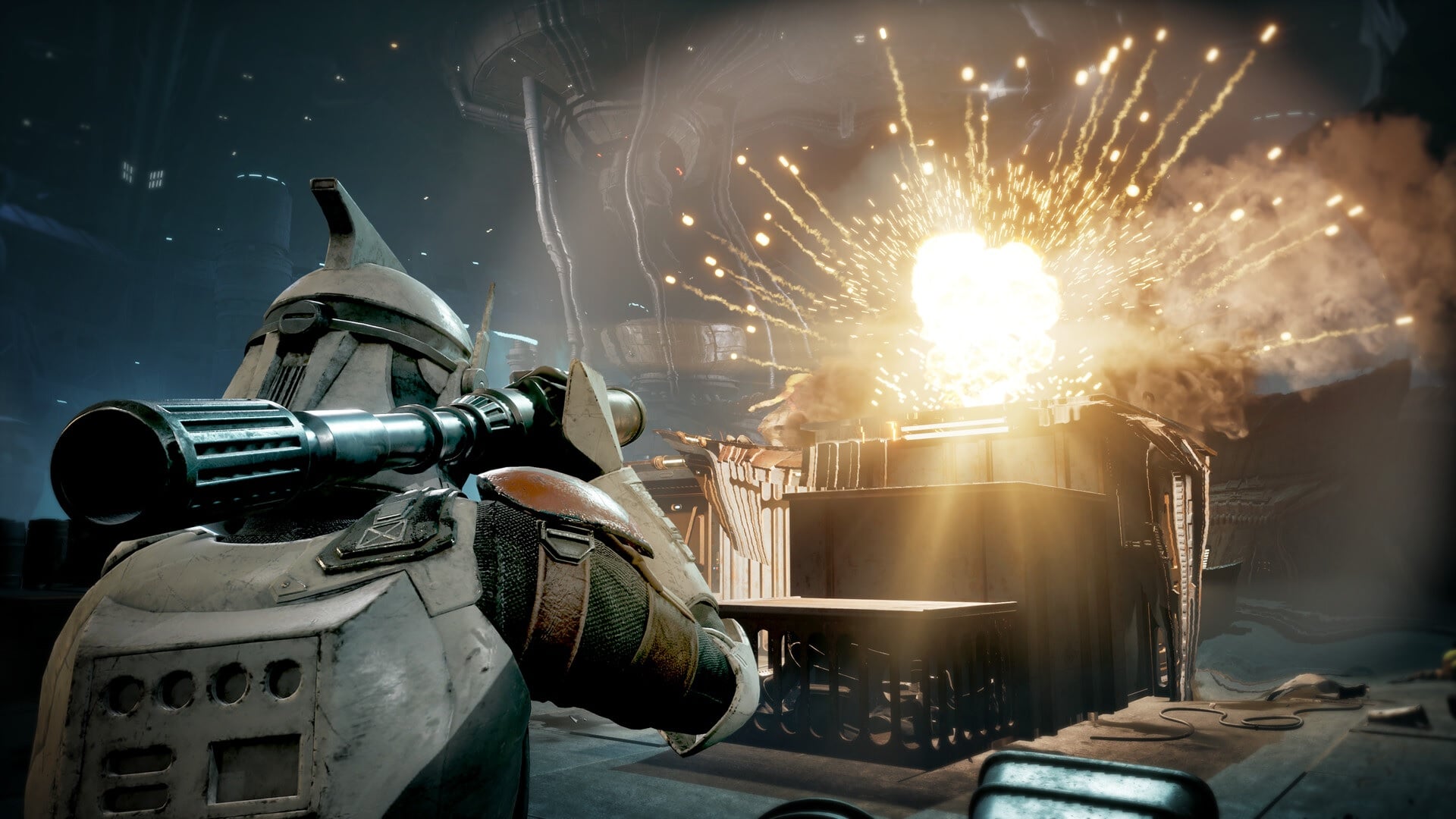
Critical Achievement in a Crowded Franchise
Star Wars: Zero Company arrived to exceptional early reviews that placed it at the top of the franchise’s critical hierarchy. The game’s Metacritic score marked the highest launch reception for any Star Wars title since 2004, when BioWare released Knights of the Old Republic II: The Sith Lords. This XCOM-inspired tactical strategy game, developed by Bit Reactor in partnership with Respawn Entertainment and published by Electronic Arts, demonstrated that the Star Wars license could still generate compelling original gameplay outside established formulas.
A Two-Decade Gap in Critical Approval
The span between Knights of the Old Republic II and Zero Company covers 22 years of Star Wars gaming. During that period, numerous titles released under the franchise banner failed to match the acclaim that Bit Reactor achieved on its first attempt. The comparison underscores both the rarity of critical success within licensed Star Wars releases and the significance of what Bit Reactor had accomplished in its debut.
Design Philosophy and Market Position
Zero Company’s XCOM-like structure differentiates it from typical Star Wars action or RPG conventions. The game draws from established strategy-game DNA while filtering it through the galaxy far, far away, a design choice that appears to have resonated with critics and early players alike. Its positioning as a tactical strategy title rather than a direct combat or narrative-focused experience created space for the franchise to explore mechanics that had remained largely untapped in Star Wars gaming.
The Furlough: Timing and Scale
Game File’s investigation revealed that the furloughs were decided and implemented before critical response to the game became public. As many as 80 percent of Bit Reactor’s staff lost their regular income in the weeks immediately preceding launch, creating a situation where the game’s success unfolded without the majority of its creators receiving compensation. A studio representative confirmed the furloughs to Game File but declined to specify exact numbers, leaving the figure of “up to 80 percent” as the highest reported estimate.
A Skeleton Crew Left Behind
Following the August 27 launch, Bit Reactor retained only what it termed a skeleton crew to handle post-release support, bug fixes, and player-reported issues. This arrangement raised immediate concerns about how thoroughly the team could address technical problems or optimize performance without the broader development staff. The reduced capacity suggested that maintenance and improvement work would proceed at a deliberately limited pace.
The Timing Question
The furloughs preceded the game’s positive reviews, meaning the decision was not made in response to disappointing sales or negative reception. This timing raises questions about whether the furloughs were planned from the outset as part of budgeting strategy, or whether other factors within the studio or parent company structures drove the decision. The fact that EA’s Saudi Arabia ownership stake was mentioned in reporting on future sequel prospects suggests larger corporate reorganization may have played a role.
Developer Response and Workplace Reality
The contradiction between public celebration and private crisis did not go unnoticed by the development team. Zachariah Scott’s LinkedIn post articulated what many furloughed employees likely felt: frustration at seeing leadership and publisher executives congratulate the team for its work while that same team faced financial hardship. His description of the situation as “sick and weird” captured the emotional dissonance of achieving professional success under conditions of institutional instability.
The Voice from Inside
Scott’s willingness to speak publicly about the furloughs provided rare insight into the gap between external narratives of success and internal realities of precarity. His statement served as a counterweight to the celebratory messaging from official channels, documenting the experience of developers whose labor created value while they went unpaid.
Legal Dispute and Studio Leadership Crisis
The furloughs occurred within a broader context of leadership conflict at Bit Reactor. A lawsuit filed by former chief operating officer Alison Kelly against studio cofounder Greg Foertsch added another layer of instability to the studio’s situation. Kelly accused Foertsch of forcing her out of the company and denying her an equal ownership stake, claims that Foertsch and his legal representatives denied through counter-filings.
The Counter-Narrative
Foertsch’s lawyers responded by arguing that Kelly’s role was reduced due to poor work performance, and that her allegations of denied access to company records and wrongfully awarded financial benefits lacked merit. The legal document’s language characterizing her claims as “groundless” suggested a complete breakdown in communication and trust between the parties.
Trial Timeline and Uncertainty
The lawsuit is not scheduled for trial until 2027, meaning the dispute will extend for years following the game’s launch. This extended legal timeline creates uncertainty about the stability of Bit Reactor’s leadership, decision-making authority, and future direction.
Unanswered Questions About Sequels and Staff Recovery
The furlough situation and ongoing lawsuit leave multiple critical questions unresolved. Sales figures for Star Wars: Zero Company remain undisclosed, making it impossible to determine whether the game has sold enough copies to justify resuming regular payroll for furloughed staff. The threshold needed to bring employees back onto payroll—or to provide bonuses for delivering a critically successful game during an industry downturn—remains unstated.
The prospect of a sequel remains equally uncertain. With EA having acquired Saudi Arabia-based ownership, and with Bit Reactor’s internal leadership contested, the decision to greenlight a follow-up would depend on financial performance, corporate strategy, and resolution of the ownership dispute. What comes next for Bit Reactor, whether its furloughed employees will be compensated, and whether the studio will survive as an independent entity all remain open questions as the game enters its post-launch lifecycle.
Frequently Asked Questions
What is Star Wars: Zero Company?
Bit Reactor's debut game is a XCOM-like tactical strategy title published by Electronic Arts and developed in partnership with Respawn Entertainment. It launched on August 27 and achieved the highest Metacritic score of any Star Wars game at launch since 2004.
How many Bit Reactor employees were furloughed?
Reports indicate as many as 80% of the studio's staff were furloughed in the weeks before launch. A skeleton crew remains to address post-release issues and bugs, but an exact number of affected employees has not been disclosed.
What legal dispute is affecting Bit Reactor?
Former COO Alison Kelly sued cofounder Greg Foertsch, claiming he forced her out and denied her equal ownership stake. Foertsch's legal team denies the allegations, arguing her role was reduced due to poor performance. The case is not scheduled for trial until 2027.
