
Key takeaways
- Netflix has delayed The Witcher season 5 to 2027, pushing it back from its original 2026 target without confirming the reason.
- Henry Cavill's departure after season three and replacement by Liam Hemsworth sparked creative tensions and fan backlash, though viewership remained stable.
- The Witcher now faces increased competition from other gaming adaptations like Amazon's Fallout and HBO's The Last of Us.
Netflix has shifted the release of The Witcher’s fifth and final season into 2027, marking another delay for the live-action adaptation of Andrzej Sapkowski’s beloved fantasy novels. The season was originally targeted for a 2026 premiere, but according to tracking reports from What’s on Netflix, the streamer has decided to push the conclusion further out into the following year. The decision comes despite the fact that season five was filmed simultaneously with season four, which aired in 2025, creating an unexpected gap between the show’s latest installment and its finale.
A Troubled Production Path Since 2019
The Witcher’s journey on Netflix began in 2019, marking one of the streaming platform’s most ambitious ventures into video game adaptation. The series draws from Sapkowski’s source material while sharing visual DNA with CD Projekt’s wildly successful video games, positioning itself as a bridge between the books and the games’ massive fanbase. Showrunner Lauren Schmidt Hissrich has overseen the production from the beginning, framing seasons four and five as companion pieces rather than distinct chapters. The connection between these two seasons meant filming them back-to-back, yet the additional post-production time has created unexpected distance between the latest episodes and their follow-up.
No Reshoots Reported
The exact reasons behind the delay remain unclear. Netflix has not announced any reshoots or significant production issues that would explain the extension. Industry speculation points toward extended visual effects work in post-production, particularly for the show’s creature designs and fantasy sequences. Alternatively, the delay could simply reflect Netflix’s broader strategy of staggering content releases throughout its calendar, particularly given the streamer’s tendency to shuffle its prestige releases around other high-profile projects.
Vacant Promotional Space
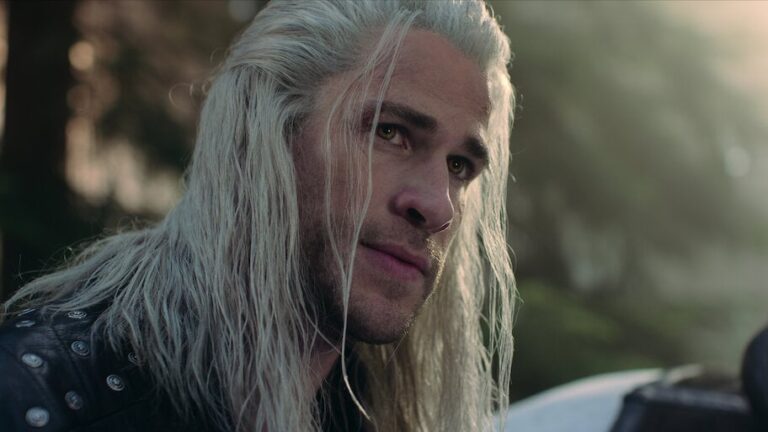
One telling sign of the shift came when Geralt’s image vanished from Netflix’s promotional materials and portal spots, signaling an internal decision to move the show out of its 2026 window. The lack of official confirmation from Netflix itself underscores how quietly the streamer has treated The Witcher in recent years, a marked departure from the fanfare that surrounded its initial launch.
The Cavill Exit and Creative Tension
The show’s trajectory has been complicated by the departure of Henry Cavill, who originated the role of Geralt across the first three seasons. Cavill’s sudden exit sparked widespread speculation about creative disagreements between the actor and the production team. The actor told The Hollywood Reporter at the time that he had committed to seven seasons that would properly honor Sapkowski’s work—a statement that appeared to reference conflicts over the show’s creative direction.
Replacement and Fan Reception
Liam Hemsworth, known for The Hunger Games franchise, took over the role starting in season four. The transition met with skepticism from fans who worried about continuity and authenticity. Hemsworth’s tenure saw the show take greater liberties with the source material, departing from Sapkowski’s original narrative structure and character arcs. Despite fan displeasure voiced across social media, viewership numbers reportedly remained stable, suggesting that the outrage did not translate into measurable subscriber losses for Netflix.
Cavill’s Next Move
Cavill has since moved forward with other projects, notably securing a role in an adaptation of Warhammer 40K, the grimdark science fiction franchise from Games Workshop. His involvement with that property represents a significant shift, positioning him within another beloved gaming and hobby property with a passionate fanbase.
Intensifying Competition from Rival Adaptations
The delay places The Witcher in an increasingly crowded field of video game-to-screen adaptations. Amazon’s Fallout series and HBO’s The Last of Us have launched in recent years, both commanding significant critical attention and audience interest. These competitors have captured mindshare that The Witcher previously commanded when it stood as one of the few major gaming properties receiving premium television treatment. The shift reflects broader entertainment industry trends, with publishers and platforms recognizing the market demand for interactive media adaptations.
Netflix’s Shifting Priorities
Netflix has become notorious for deprioritizing shows that fall outside its core franchises. The streaming giant demonstrates far greater commitment to established properties like Stranger Things while showing less patience with other series, often canceling programs after one or two seasons. The Witcher, now heading into its fifth season, has considerably outlasted many Netflix originals, yet remains less central to the platform’s strategic planning than it once appeared to be during its debut period.
What Fans Face Through 2027
The extended wait until 2027 means viewers will have spent nearly two years waiting between the fourth season finale and the series conclusion. For a fanbase that has already weathered significant cast changes, creative direction shifts, and the show’s reduced prominence in Netflix’s promotional cycle, the additional delay represents another test of loyalty. The streaming model typically discourages audience retention across extended gaps, particularly for serialized dramas where momentum and memory matter significantly.
The Witcher’s final season arrives at a moment when gaming adaptations have become more competitive, the show’s original leading actor has moved on, and Netflix’s commitment to the property appears more measured. Whether the additional production time translates into a stronger final season remains to be seen when season five eventually arrives in 2027.
Frequently Asked Questions
When was The Witcher season 5 originally supposed to air?
Season 5 was originally scheduled for 2026 before Netflix pushed it back to 2027.
Why did Henry Cavill leave The Witcher?
Cavill departed after season three amid reported creative differences. He told The Hollywood Reporter he was committed to seven seasons that would honor Sapkowski's work, suggesting disagreement over the show's direction.
Who replaced Henry Cavill as Geralt?
Liam Hemsworth, known for The Hunger Games franchise, took over the role starting with season four.
