
Key takeaways
- Insomniac developers revealed that Wolverine's self-healing suit exists for practical gameplay reasons, not narrative justification—running around in shredded rags would undermine the power fantasy.
- Despite the suit's regeneration, the team invested heavily in real-time blood particle systems and environmental persistence, ensuring combat remains visually brutal and impactful.
- The design philosophy prioritizes player psychology and emotional experience over lore explanations, reflecting mature game development practices that acknowledge trade-offs directly.
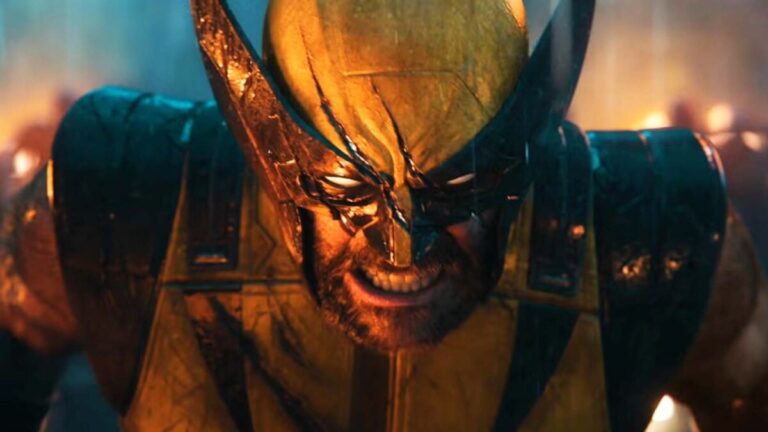
Looking back at June’s Sony State of Play event, gaming audiences received an extended gameplay demonstration of Insomniac’s upcoming Marvel’s Wolverine for PlayStation 5. The footage showcased intense combat with characteristic brutality—claws tearing through enemies, blood spattering across the screen, and clothing visibly torn by the relentless action. Yet observant viewers noticed something that seemed to defy the game’s apparent realism: Wolverine’s suit, despite sustaining severe damage throughout combat sequences, appeared to repair itself. The observation immediately sparked speculation about what elaborate lore explanation or supernatural justification Insomniac had devised to make sense of this seemingly magical costume within the narrative framework.
When comprehensive developer previews launched on August 13 across multiple gaming publications, Insomniac finally addressed the mystery. The answer proved far simpler than any narrative gymnastics could suggest: the suit heals because having Logan spend most of the game running around in shredded rags simply wasn’t practical from a game design standpoint. No complex lore. No comic book pseudoscience. Just straightforward development pragmatism.
Why Wolverine’s Suit Heals Itself
During preview sessions with outlets including IGN, Insomniac’s technical leadership provided direct explanations for the suit regeneration system. Mike Fitzgerald, serving as head of technology, and Jess Reiner-Reed, senior project director, fielded the question without deflection or evasion, offering instead a candid window into the team’s design priorities.
Practical Considerations of Costume Durability
Fitzgerald articulated the core reasoning clearly: “I think mostly there’s some practicalities to it. You can’t play through most of the game wearing just shredded rags on his body. So we find the right balance between clothing that reflects the gameplay you’re doing and this brutal combat and the realities of that, and then finding the right moments to have it restore itself so you get that right cinematic feel of Wolverine.”
In a game centered on visceral combat where the protagonist sustains constant punishment, permanent suit degradation would create a cascading problem. Consider the typical flow of an action game: Wolverine enters an encounter, takes damage, survives due to his healing factor, and exits damaged. Repeat this dozens of times across a multi-hour campaign. By the final act, Logan would be touring the world in remnants barely covering his body. Beyond being visually awkward, this undermines the fantasy of playing as a powerful, unstoppable force. The design team recognized this early and implemented a solution that preserves both the visual spectacle and the emotional experience.
Preserving Player Power and Perception
Reiner-Reed expanded on the thought process, describing the iterative development phase: “Early on, you would be playing through missions and your clothes are shredded for way too long. You don’t feel as powerful as you’re playing through. So yeah, we definitely found that right balance was the right thing to say.”
This comment reveals extensive playtesting and refinement. During early development, Insomniac experimented with longer-lasting damage states, allowing suits to remain visibly damaged across multiple encounters. Internal testing and player feedback indicated that extended time in a compromised visual state—even though gameplay remained unchanged—psychologically weakened the sensation of dominance. Players felt less powerful despite mechanical invulnerability. By allowing strategic suit regeneration, the team maintained the visual spectacle of brutal combat while preserving the emotional weight of playing as an unkillable force.
Technical Investment in Damage Visualization
Despite the suit’s self-healing properties, Insomniac committed substantial development resources toward making in-combat damage feel genuine and impactful. Rather than implementing a quick workaround, the team built layered systems to ensure that every fight leaves a temporary but meaningful visual impression.
Real-Time Blood Particle Systems
Fitzgerald detailed the technical ambition behind the destruction visuals: “We invested a lot in how damage is reflected on him in his suit, on enemies and their suits. And then as you attack them, the blood sprays coming off them are some really interesting fluid tech. So it’s not just pre-baked visual effects. These are actual blood particles coming out.”
This distinction matters significantly. Pre-baked effects rely on predetermined animations played at specific moments. Real-time blood particles, by contrast, are dynamically generated based on numerous factors: the angle and force of the attack, the enemy’s position relative to Logan, the surrounding environment, and physics calculations. Each spray pattern is theoretically unique, emerging organically from the game’s simulation rather than repeating scripted sequences. This approach creates authenticity that static animations simply cannot match.
Environmental Detail and Persistence
The technical sophistication extends beyond immediate visual feedback into the broader environment. Fitzgerald continued: “They hit the ground and make the exact splatter mark they would make if they land on Logan. They leave blood there. If he walks through water, it washes off and leaves blood swirls in the water.”
Blood doesn’t evaporate or fade after a few seconds. Instead, it persists as environmental evidence, accumulating across the battle space until contextual factors remove it. Wading through a river carries visible consequences—red swirls dissipating in the current. This level of detail transforms incidental visuals into elements of environmental storytelling and immersion. The cumulative effect demonstrates that Insomniac didn’t dismiss the damage system as unimportant; rather, the team redefined what temporary damage means in their game world.
A Philosophy of Honest Game Design
The straightforward explanation from Insomniac’s leadership reflects a mature perspective on game design that increasingly distinguishes experienced studios from less confident developers. Many modern games strain to justify every mechanical feature through lore, bending narrative logic to accommodate systems that exist primarily for gameplay reasons. Insomniac’s transparency represents an alternative approach: acknowledge the practical consideration, optimize for the player experience, and accept that design decisions don’t require elaborate fictional explanations.
This philosophy becomes more valuable as gaming matures. Not every system demands in-universe justification. Sometimes a feature exists because testing and player feedback proved it works better that way. That’s sufficient reasoning, and communicating it directly builds credibility with audiences who understand game development complexity.
Marvel’s Wolverine and the September Release
The game maintains exclusive status on PlayStation 5, positioning it as a significant addition to Sony’s portfolio of exclusive superhero titles. The August 13 preview cycle revealed additional details about the project’s ambitions and Insomniac’s approach to adapting one of Marvel’s most iconic characters. The team has selectively drawn from decades of comic book history to craft a new narrative that remains distinct from established Wolverine storylines while honoring the character’s essential identity.
What This Reveals About Modern Action Game Development
With the September launch confirmed, Insomniac continues final development phases on what preview footage suggests is an ambitious action title built around one of Marvel’s most recognizable figures. The team’s willingness to publicly discuss design decisions—including why a suit repairs itself—reflects confidence in the final product and commitment to fostering genuine dialogue with the gaming community about how interactive entertainment is developed and refined through iteration. The lesson extends beyond this single game: sometimes the simplest explanation is the right one, and honesty about design trade-offs strengthens rather than weakens a title’s credibility.
Frequently Asked Questions
Why does Wolverine's suit heal itself in Insomniac's game?
According to Mike Fitzgerald and Jess Reiner-Reed, it's a practical design choice. Having Logan run around in shredded clothes for most of the game would undermine the power fantasy and make players feel less powerful during combat.
Did Insomniac invest in damage visuals if the suit heals?
Yes. The team created real-time blood particle systems and environmental interactions where blood persists and washes away in water, ensuring combat still feels visually brutal and impactful despite the suit's regeneration.
When is Marvel's Wolverine coming to PlayStation 5?
The game is set to arrive in September as a PlayStation 5 exclusive title.
