
Key takeaways
- Blizzard transforms Season of Discovery—a limited-time event—into World of Warcraft: Forever, a permanent alternate-universe version of Classic with new content and selective quality-of-life improvements.
- New quests and dungeons like The Drowned City integrate seamlessly into familiar zones, with changes subtle enough that returning players may not notice them for hours of play.
- Forever compromises on modernization: combined bags and optional transmog coexist with classic friction points like manual skill purchases and 40-person raid requirements that may exclude smaller guilds.
Blizzard has approached the waning interest in its Classic relaunches by essentially spinning off Season of Discovery as a separate entity. World of Warcraft: Forever, which the studio debuted at BlizzCon, takes the template of that limited-time event and converts it into a permanent game mode with its own progression track and content roadmap. At its core, Forever represents an attempt to preserve what made Classic WoW compelling—its slower pacing, methodical combat, and sense of exploration—while selectively integrating systems that smooth friction where it causes genuine frustration rather than intentional challenge.
A playable demo at BlizzCon this weekend offered about two hours of hands-on time with the project. The experience split between retreading familiar starting zones, testing the new Skyborne Elf race, and running a mid-level dungeon with other press attendees. The scope of what amounts to a brand-new MMORPG built within the WoW framework becomes difficult to grasp in that timeframe, but the hybrid philosophy behind the project emerged clearly: Forever wants to feel like Classic in its bones while offering a distinctly different flavor of experience.
Visual Identity: Retro Meets Modern
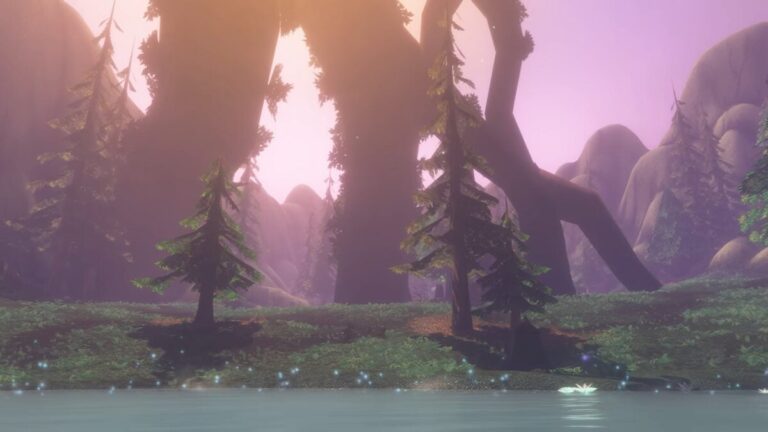
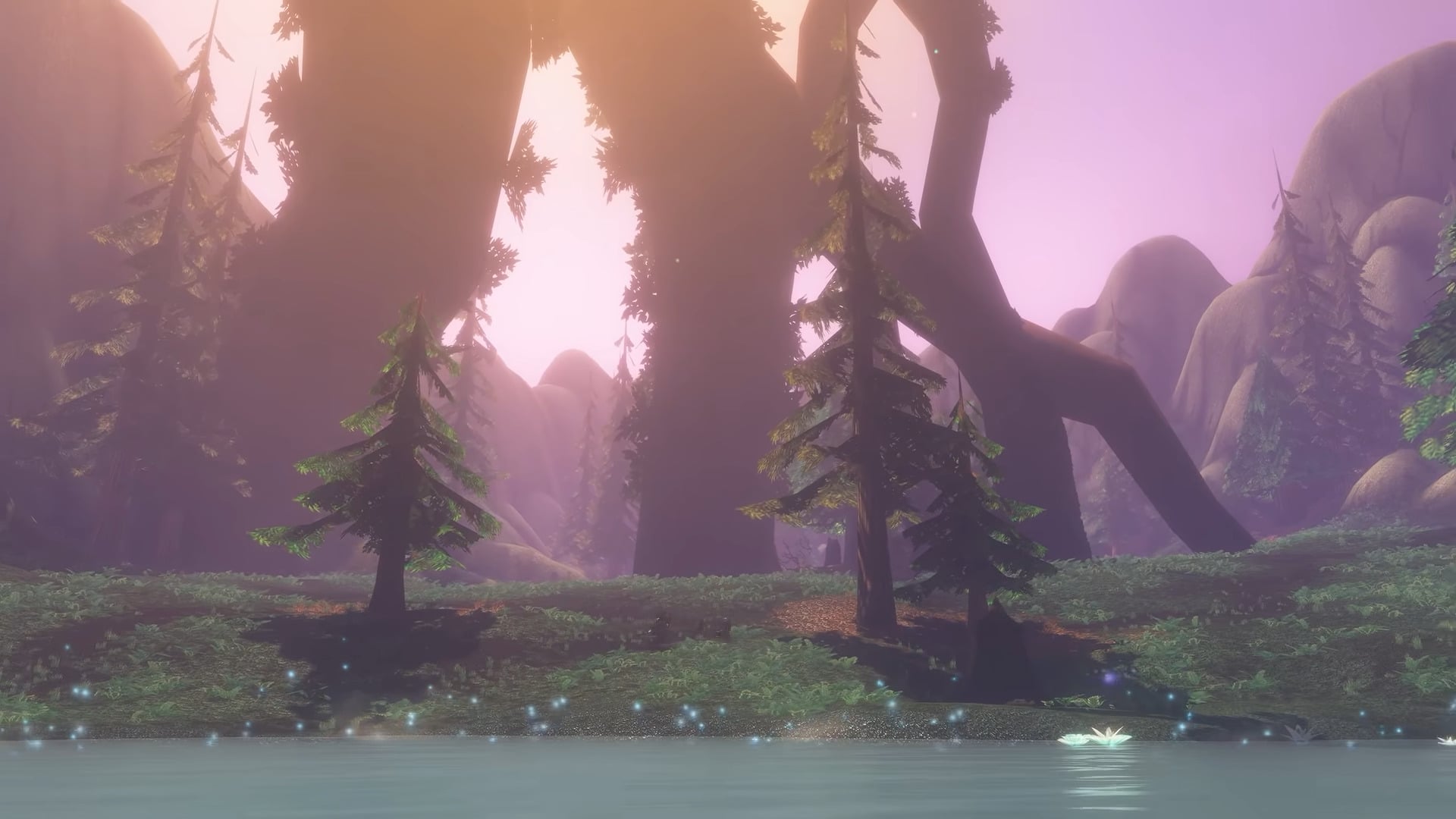
The graphics approach in Forever walks a narrow line between honoring Classic’s aesthetic and leveraging current technology. New lighting and water effects create contrast against the ancient scenery—muddy textures and sparse grass tufts that recall the original game’s visual limitations. A canyon used repeatedly for boar grinding looks mostly familiar, yet registers as distinctly different through subtle atmospheric touches: a dusty haze settles over the landscape, and the overall presentation feels both nostalgic and refreshed. Thunder Bluff, glimpsed in the distance from the starting zones, appeared substantially altered according to the shown footage, though time constraints prevented direct exploration.
The Skyborne Elves and New Tauren Tools
A Blue-Skinned Option for the Horde
The Skyborne Elves arrive as a new race option for the Horde faction, presenting players with a less visually harsh aesthetic than the traditional green-skinned options available to that side. Their starting area incorporates crumbling ruins and sweeping wind effects, creating a distinct sense of place within the larger world. The race itself does not introduce mechanical advantages that justify a purchase in isolation, but provides visual and thematic variety for players seeking different presentation choices within the Horde.
Tauren-Specific Racial Ability
Tauren receive Plainsrunner as a racial passive ability—a beta-era skill that never reached retail WoW—which grants incremental speed increases when moving across open terrain. Like many of Forever’s additions, the ability appears minor on its face: neither a combat-defining tool nor a necessary component of character optimization. Yet such small refinements, accumulated across a character’s playtime, shift how the world feels to traverse.
Content Additions Respect Classic’s Unfolding
Quests Woven Into Familiar Spaces
Rather than segregating new content into isolated zones or obvious novelty areas, Forever integrates fresh quests directly into spaces players have repeatedly experienced. An example from the Mulgore starting area involved locating a missing mother at a nearby well—a simple errand that justified adding a profession tutorial system absent in the original game. Another quest tasked the player with carrying a sacred flame from one camp to another without letting it extinguish, an honor ritual to the Sun God An’she. These quests accomplish two goals simultaneously: they introduce mechanical tutorials and world-building details without announcing themselves as new content. A player returning for the fifth or tenth time might complete a dozen hours before consciously recognizing that specific encounters differ from their previous visits.
The Drowned City Dungeon
The mid-level instance explored during the demo, The Drowned City, demonstrates Forever’s approach to new endgame content. Its opening corridors resemble a shifted variation on the classic Zul’Farrak dungeon, yet progress deeper into the instance reveals increasing strangeness: corridors descend fully underwater, and enemy composition shifts to Naga and Murlocs rather than the endless troll packs that characterize the original zone. The battles recreate Classic’s particular flavor of difficulty—not mechanically demanding boss designs, but punishing encounters that demand careful mana management and threat awareness. The demo group, operating under a time limit and playing at a lower level than recommended, managed to defeat a single boss out of approximately eight or nine total encounters before wasting attempts on a shark lurking in an open-courtyard pool. That failure points toward Forever’s commitment to maintaining Classic’s learning curve: the dungeon does not coddle players into progression, and overgearing remains irrelevant without actual tactical execution.
Quality of Life With Strategic Limits
Forever attempts compromise across several friction points that frustrated players in both the original Classic and subsequent relaunches. Combined bag systems and UI customization options sneak their way into the game, removing some of the inventory tedium that characterizes Classic’s design. The Looking for Group functionality receives partial modernization: players can post requests and answer them, but the game refuses to implement automatic random matchmaking. Transmogrification enters the game as an opt-in system—players can choose to use it and see it on others, or disable it entirely for their experience. These changes do not eliminate Classic’s intended friction entirely. Players still purchase skills from trainers rather than receiving them automatically, a system that demands attention and resource management. The overall effect produces a game where familiar systems coexist with modernized convenience, inviting players to toggle their preferred balance rather than enforcing a single design philosophy.
The 40-Person Raid Question
One design decision carries potential exclusionary consequences: Forever will support 10, 20, and 40-person raid sizes across its lineup. While the 10 and 20-person options open raiding to smaller guilds and less coordinated groups, the 40-person requirement locks specific encounters behind a coordination barrier. A casual-play guild managing 15 to 25 active members with varying schedules cannot reliably field exactly 40 people on raid nights, effectively preventing participation in significant content. Blizzard moved away from mandatory 40-person raids over the years specifically because this barrier excluded guilds with membership that fell outside that narrow window. The decision to reintroduce it in Forever for prestige or authenticity reasons potentially undermines the inclusivity that otherwise characterizes the project’s design.
A Compelling Alternate Path
WoW: Forever positions itself as a middle ground between the retail game’s modernization and Classic’s archaeological preservation. The experience offers something neither version quite provides: a world that unfolds slowly across a vast, partially-unknown landscape, where death remains common and surprise remains possible. For players who have invested thousands of hours across both versions and remain unsatisfied with their fundamental approaches, Forever presents a distinct option closer to their preferences than either existing version. Whether that appeal sustains across the months and years required to build a living MMORPG remains the actual test Blizzard faces.
Frequently Asked Questions
What is World of Warcraft: Forever?
World of Warcraft: Forever is a permanent spinoff of Season of Discovery that converts that limited-time event into a standalone game mode. It preserves Classic's slower pacing and exploration focus while adding new quests, dungeons, and races, and selectively modernizing quality-of-life systems.
What new race does Forever introduce?
The Skyborne Elves—a blue-skinned race for the Horde faction—join Forever with their own starting area featuring crumbling ruins and wind effects. Tauren also gain Plainsrunner, a racial passive that grants incremental speed increases on open terrain.
Will Forever require 40-person raids?
Forever supports 10, 20, and 40-person raid sizes, but certain encounters are restricted to 40-person raids. This creates a coordination barrier for smaller guilds with 15 to 25 active members.
