
Key takeaways
- Blizzard confirmed Diablo 4 will receive no additional expansions after Lord of Hatred, shifting to seasonal content instead.
- Diablo 5 launches in spring 2029, set 100 years after Diablo 4 events and depicting Sanctuary in the end times.
- The Amazon class will arrive in the first half of 2027, exemplifying the seasonal content model replacing expansion releases.
- This reverses Rod Ferguson's 2023 promise of annual expansions alongside quarterly seasons.
Blizzard has confirmed that Diablo 4 will not receive additional expansions beyond the two already released since the game’s 2023 launch. Instead, the developer is redirecting its focus toward seasonal content updates while preparing Diablo 5 for its spring 2029 debut. This marks a significant shift from the live-service roadmap originally outlined at the current game’s launch.
The End of the Expansion Cycle
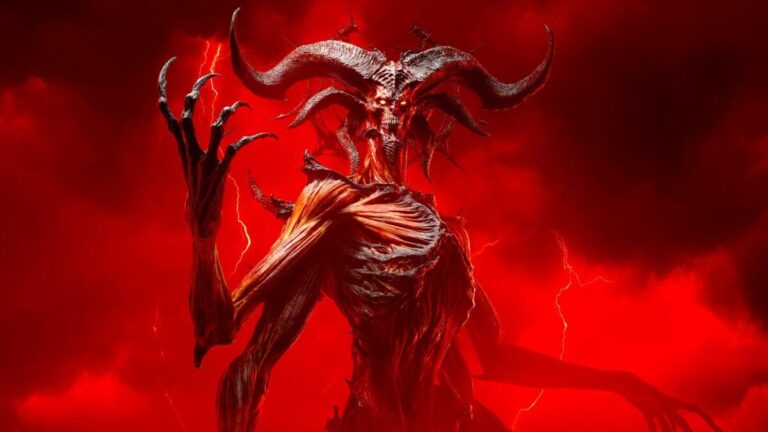
Diablo 4 has received two major expansions since its release, with Lord of Hatred arriving earlier in 2026. Brent Gibson, the game’s director, confirmed during an interview at BlizzCon 2026 that no expansion-level content is planned beyond this point. According to Gibson, the narrative arc known as the Story of Hatred reached its conclusion with the Mephisto-focused Lord of Hatred expansion.
Gibson stated: “We’re all focused on [Diablo 4] seasons and getting to Diablo 5. We feel like we told the Story of Hatred. We had a great conclusion with Lord of Hatred with what we have with Mephisto, and we are moving towards telling the Story of Terror.”
This decision reflects a recalibration of how Blizzard will support the action-RPG over the next several years. Rather than maintaining the expansion-driven content cycle that many players expected based on earlier statements, the developer has opted to use seasonal updates as its primary vehicle for new stories and features.
A Reversal From Launch Promises
The 2023 Live-Service Vision
The current approach contrasts sharply with commitments made at Diablo 4’s debut. In 2023, Rod Ferguson, who was leading the Diablo franchise at that time, outlined an ambitious live-service plan during the game’s launch period. He described a framework built on two foundational pillars: quarterly seasonal releases paired with annual expansion packs.
Ferguson explained: “When you look at the launch of the game and this first season, we see that as building a foundation on which we can build for the future. So, as we look at our quarterly seasons, and we look at our annual expansions, those are the things that we’re really focused on for our live service.”
That strategy resembled the ongoing model employed by titles like Destiny 2, promising consistent major content drops over multiple years. The announcement of Diablo 5 appears to have altered those priorities significantly.
Resource Consolidation and Sequel Focus
Rather than maintaining separate development pipelines for both annual expansions and a full sequel, Blizzard has elected to concentrate its efforts. The resources that would have supported an ongoing expansion program are instead being directed toward Diablo 5’s development alongside a lighter seasonal content model for the current game. This consolidation approach has become increasingly common across the industry, where studios struggle to sustain multiple parallel live-service titles with robust content schedules.
Diablo 5 and the Story Bridge
The Sequel’s Timeline and Setting
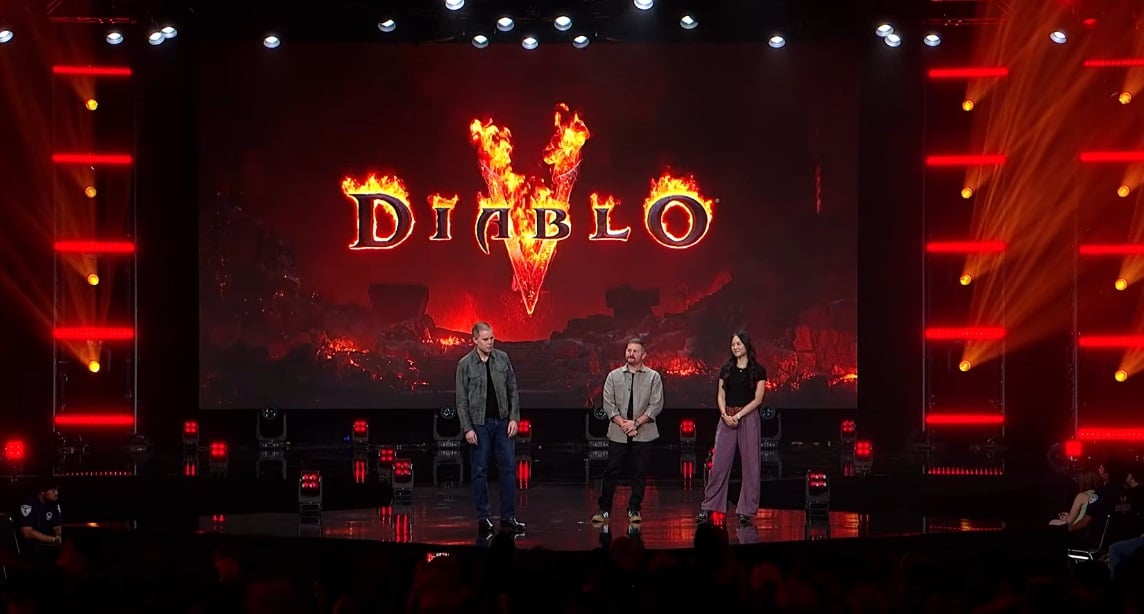
Diablo 5 is scheduled to launch in spring 2029, placing its release more than three years away. The sequel will advance Sanctuary’s timeline by 100 years beyond Diablo 4’s current events, positioning the world during what the developers describe as the end times. This temporal gap provides the design team with substantial creative flexibility to develop seasonal stories in Diablo 4 without immediately concluding plot threads that will carry into the sequel.
Player Feedback Shaping the Narrative Path
Gibson emphasized that the narrative connection between Diablo 4 and its successor remains partially undetermined, with player engagement directly influencing story development. He explained: “The events of Diablo 5 happen 100 years after everything that’s happening with Diablo 4, and so that gives us a lot of room to kind of still ride the wave with all the fans on where the story can go as we make our way there. So continuity is something that we’re really excited about, but we don’t necessarily have a perfect picture on exactly where that’s going to go because we want to see how fans are reacting season to season.”
This approach treats each seasonal update not as isolated content but as part of a larger narrative arc that will eventually intersect with Diablo 5’s opening. The team intends to gauge community response and adjust the storytelling direction accordingly, rather than adhering to a pre-written conclusion that players cannot influence.
Immediate and Near-Term Content
Diablo 4 is not entering a content drought despite the end of expansions. The first half of 2027 will bring the Amazon class, introducing a new playable archetype to the game. This represents the type of substantial seasonal content the game will receive going forward, though the scope differs from full expansions that would have included dedicated campaigns and large-scale story missions.
Seasonal updates will continue rolling out through 2028 and into early 2029, each advancing the narrative toward Diablo 5’s launch. However, the development resources and scale behind each season may differ from what accompanied expansion development cycles.
The Diablo 2 Model and Post-Sequel Support
Gibson pointed to Diablo 2: Resurrected as a potential framework for how Blizzard might handle Diablo 4 after Diablo 5’s release. The remastered 2000 title recently received a new Warlock class, demonstrating that older entries in the franchise can continue receiving updates years after a newer game launches. This suggests Diablo 4 will not be completely abandoned following Diablo 5’s arrival in spring 2029.
However, Gibson’s comments indicated that Blizzard does not intend to run both games simultaneously with equally robust seasonal content offerings. Instead, Diablo 4 will likely transition to a periodic update schedule similar to Diablo 2: Resurrected’s cadence, receiving new content at a slower pace than an actively supported live-service title.
Industry Context and Long-Term Outlook
The decision aligns with broader industry trends where studios have found maintaining multiple parallel live-service games unsustainable. By consolidating the Diablo community’s attention around Diablo 5 while maintaining lighter support for Diablo 4, Blizzard is positioning itself to maximize engagement with the franchise’s next chapter without spreading development resources too thin.
Players invested in Diablo 4 now have clear expectations for the game’s remaining support window. The seasonal structure will function as an extended prologue to Diablo 5, with each update advancing story threads that the sequel will build upon or resolve. This structured transition offers both a defined endpoint for Diablo 4’s active development cycle and a framework for maintaining engagement through interconnected storytelling that spans the gap between games.
Frequently Asked Questions
Will Diablo 4 receive any new content after Lord of Hatred?
Yes, seasonal stories will continue, but no new expansions are planned. The Amazon class will arrive in the first half of 2027, followed by ongoing seasonal updates through early 2029.
When does Diablo 5 launch?
Diablo 5 is scheduled for spring 2029, taking place 100 years after Diablo 4's events and depicting Sanctuary in the end times.
Did Blizzard promise annual expansions for Diablo 4?
Yes, in 2023 Rod Ferguson stated the game would receive quarterly seasons and annual expansions as its live-service foundation, but this plan has changed following Diablo 5's announcement.
