
Key takeaways
- PlayStation cancelled Physint in June 2024, six months after January's announcement, allowing Xbox to acquire publishing rights to Hideo Kojima's stealth action game.
- The cancellation exposed PlayStation's broader strategic struggles, including failed live-service investments, studio closures like Bluepoint, and Destiny 3's cancellation.
- Gaming communities criticized Sony for abandoning the Metal Gear Solid creator to a rival platform amid questions about the platform's identity and future direction.
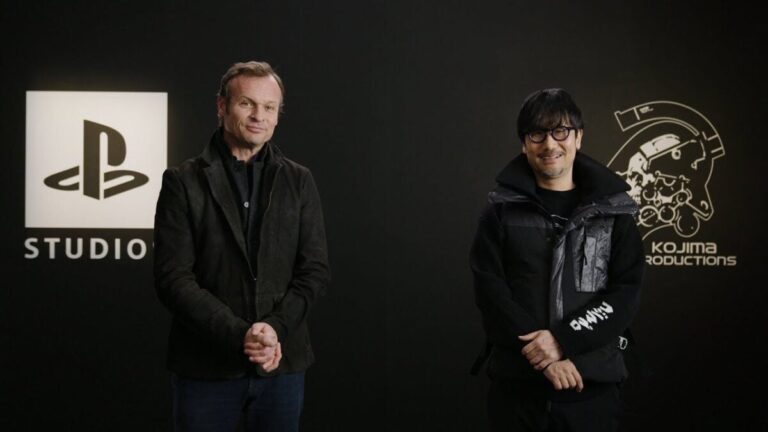
In January 2024, PlayStation unveiled what should have been a flagship next-generation exclusive: a new stealth action game from Hideo Kojima, the visionary architect of the Metal Gear Solid franchise. The project, titled Physint, carried the weight of Kojima’s reputation and the publisher’s apparent commitment to auteur-driven game design. Six months later, that partnership dissolved. PlayStation cancelled Physint in June 2024, and Xbox promptly stepped in to assume publishing duties—a reversal that caught the gaming industry off guard and triggered widespread criticism of Sony’s judgment.
From January Reveal to June Cancellation
The Initial Announcement
PlayStation’s reveal of Physint in January 2024 arrived with the ceremonial weight reserved for major exclusive projects. The stealth action game was framed as Kojima’s return to the genre that defined his career, a natural evolution from Metal Gear Solid built on next-generation technology. The partnership between a legendary creator and the market-leading console platform seemed durable, a statement about PlayStation’s commitment to prestige exclusives. For players and industry watchers, the announcement signaled confidence in both creator and platform.
The Sudden Exit
By June, Sony had reversed course entirely. PlayStation cancelled Physint without extensive public explanation, leaving industry observers to speculate about budget pressures, creative scope disputes, or other factors known only to the publisher and developer. The abruptness of the decision, arriving just six months after the reveal, amplified perception that something fundamental had shifted in Sony’s strategic priorities.
What Physint Was Supposed to Be
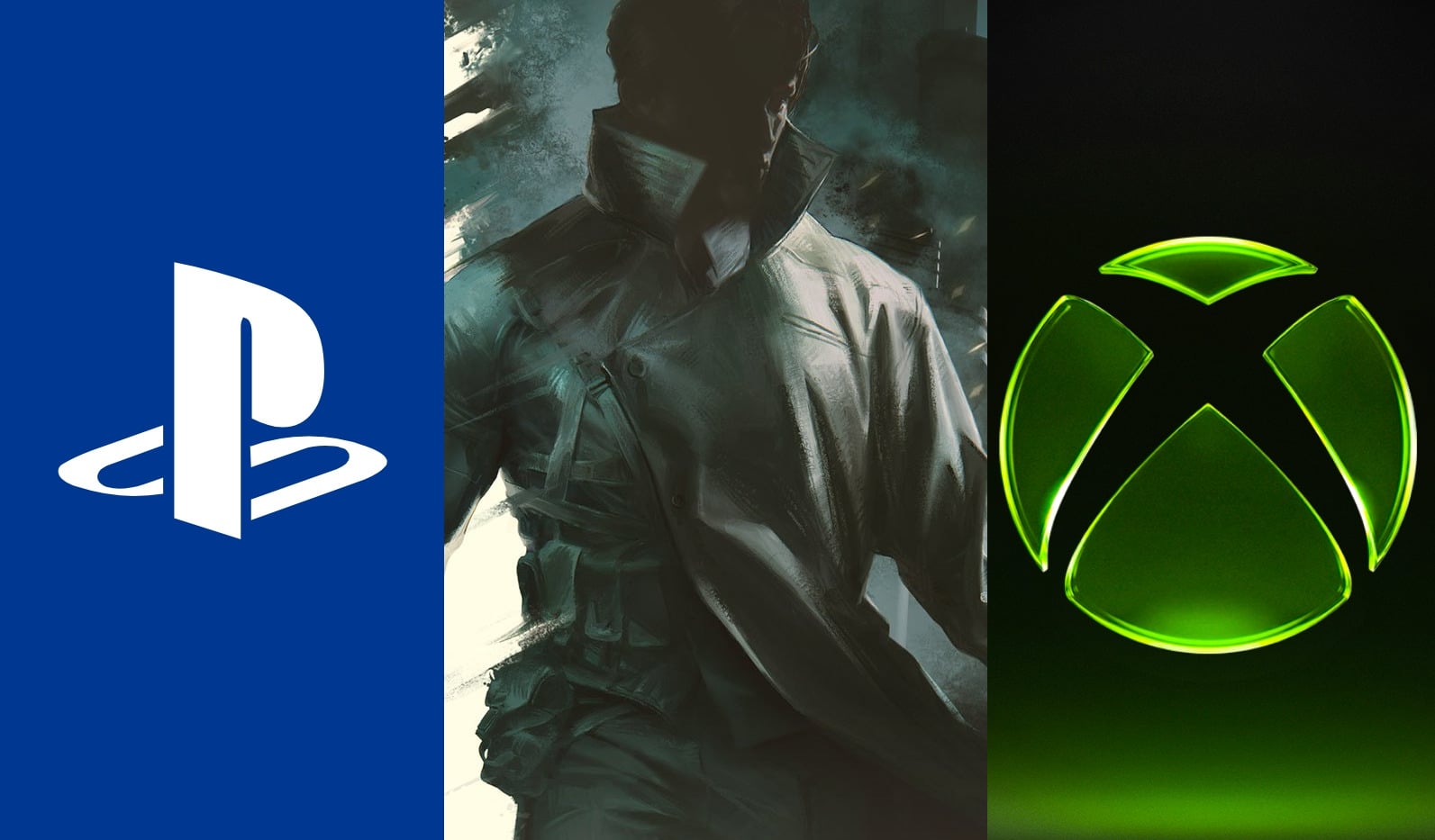
Details about Physint’s specific gameplay systems, narrative premise, or technical showcases remain limited. The stealth action classification anchored expectations around Kojima’s historical expertise—Metal Gear Solid established many conventions that the genre still follows decades later. Physint appeared positioned as a continuation of that legacy, a next-generation refinement of established concepts rather than radical reinvention. The limited information released before cancellation left significant questions unanswered about differentiation, scope, or why PlayStation ultimately concluded the project fell outside its publishing strategy.
Kojima’s Standing and What It Reveals
Hideo Kojima operates at a different tier of industry influence than most game creators. Metal Gear Solid revolutionized stealth game design and cinematic storytelling in interactive media; his fingerprints appear across decades of industry trends and player expectations. His more recent work, Death Stranding 2, launched as a PlayStation 5 exclusive and sold 2 million copies despite existing outside traditional genre categories—a testament to Kojima’s ability to attract players through reputation and artistic vision independent of franchise recognition.
That commercial success should have solidified PlayStation’s partnership with Kojima. The stealth action genre carried proven appeal; a creator of his stature could anchor an exclusive franchise for the current console generation. Sony’s decision to walk away, and more significantly to let Xbox acquire publishing rights, didn’t just abandon a specific project. It signaled a retreat from the auteur-driven, single-player focus that historically defined PlayStation’s market identity and competitive advantage.
PlayStation’s Broader Strategic Collapse
Live-Service Missteps and Studio Losses
The Physint cancellation didn’t occur in isolation. Throughout the current console generation, PlayStation weathered multiple setbacks that eroded player confidence and market perception. The live-service strategy that dominated PlayStation’s mid-generation planning produced several high-profile failures. Destiny 3 faced cancellation, and multiple live-service projects were shuttered after consuming significant development resources and publishing capital. Studio closures, including Bluepoint Games, compounded the perception that Sony was retreating from proven game development practices to chase uncertain live-service revenue models.
Broader Questions About Direction
The cancellations accumulated into a narrative arc: PlayStation was pivoting away from the kinds of games—single-player, narrative-driven experiences from established creators—that built the platform’s reputation. Physical media appeared at risk as well, with reports suggesting PlayStation might discontinue disc support for future console iterations. Each decision reinforced the impression that Sony prioritized operational consolidation and subscription revenue over the gaming experiences that won players’ loyalty.
Xbox’s Counterintuitive Positioning
Xbox’s acquisition of Physint publishing rights carried its own contradictions. Microsoft’s gaming division faced intense scrutiny over recent years, including approximately 3,200 layoffs across its studios. Despite substantial console sales and growing Game Pass subscription numbers, Xbox struggled to establish blockbuster exclusive titles that meaningfully drove platform preference or market share growth. The Physint opportunity allowed Xbox to associate itself with Kojima’s prestige and artistic reputation—qualities that automatically convey gravitas in industry and player discussions—regardless of whether the financial fundamentals made sense.
The optics of the move benefited from timing. PlayStation’s visible stumbles created an opening, and Xbox, for all its challenges, possessed sufficient resources and strategic flexibility to acquire a high-profile project with uncertain commercial prospects. Whether this represented calculated long-term investment or opportunistic positioning remains unclear, but the symbolic value—a struggling platform rescuing a legendary creator from an established rival—proved irresistible.
How Gaming Communities Reacted
Online reaction ranged from bewilderment to sharp criticism of Sony’s decision-making. Social media commentary highlighted the absurdity of the market-leading console maker allowing its rival to acquire a project from a creator of Kojima’s magnitude. The fact that Death Stranding 2 had sold 2 million copies as a PlayStation exclusive made the argument self-evident to many: PlayStation possessed both financial means and proof of consumer interest, yet chose to abandon the follow-up opportunity. Observers questioned whether the cancellation reflected temporary budget constraints or a fundamental strategic pivot away from auteur-driven single-player games. The perception that PlayStation was sacrificing prestige and market identity for live-service ambitions—pursued unsuccessfully at that—shaped much of the critical commentary.
Uncertainties and What Remains Unanswered
The full circumstances surrounding Physint’s cancellation and subsequent publisher transition will likely emerge over time through developer interviews, industry reporting, or eventual retrospectives from the people involved. Key questions about creative scope disagreements, budget disputes, or partnership frictions between Kojima Productions and PlayStation remain unanswered by official channels. Kojima himself has not provided extensive public commentary on the situation.
What is immediately apparent is that Physint’s journey from PlayStation exclusive to Xbox-published project crystallized broader concerns about Sony’s current leadership and strategic direction. The optics belong firmly to PlayStation’s loss and Xbox’s unexpected gain, regardless of how the game eventually reaches players and whether it achieves commercial or critical success. That reckoning lies years away, but the damage to PlayStation’s perceived authority and creator relationships is immediate.
Frequently Asked Questions
What is Physint?
Physint is a stealth action game developed by Hideo Kojima, presented as a spiritual successor to Metal Gear Solid. PlayStation announced it in January 2024.
Why did PlayStation cancel Physint?
PlayStation cancelled Physint in June 2024 but has not publicly detailed specific reasons. Industry speculation points to budget constraints or concerns about the game's ambitious creative scope.
How did Xbox end up publishing Physint?
After Sony's cancellation, Xbox acquired publishing rights to the project. Microsoft's full strategic reasoning remains internal, but the move allowed Xbox to associate itself with Kojima's prestige and reputation.
