
Key takeaways
- Ubisoft’s decision to anchor Assassin’s Creed Odyssey in Homeric tradition proved transformative for how the industry approached mythology-inspired narratives.
- The integration of mythological themes into game narratives has forced developers to solve fundamental storytelling challenges unique to interactive media.
- Larian Studios’ Baldur’s Gate 3, released in 2023, has emerged as the benchmark for how games approach sprawling epic journeys with the scale and depth associated with classical mythology.
- The resurgence of mythology-driven games represents a broader recognition within the industry that classical narratives offer proven frameworks for engaging interactive storytelling.
Assassin’s Creed Odyssey stands as the only major video game explicitly titled after and directly inspired by Homer’s classical epic, establishing itself as an ambitious digital recreation of ancient Greece where players navigate a mythological world filled with gods and monsters while pursuing a personal journey of homecoming. Since its 2018 release by Ubisoft Quebec, the title has spawned an entire wave of narrative-driven games that either adapt classical mythology directly or recreate the core themes of epic journeys, divine encounters, and the struggle to return home. For players seeking experiences that capture the spirit of Homer’s timeless tale, the gaming industry now offers nine standout titles that deliver on the promise of mythological adventure.
The Greek Mythology Renaissance in Gaming
Ubisoft’s decision to anchor Assassin’s Creed Odyssey in Homeric tradition proved transformative for how the industry approached mythology-inspired narratives. The game, available on PC, PS4, Xbox One, and later PS5 and Xbox Series X/S, became the flagship title that directly signaled to developers that audiences hungered for games rooted in classical storytelling and mythological world-building. This success catalyzed a broader movement toward games that either recreate ancient Greece or embrace the thematic pillars of the Odyssey: the hero’s journey, confrontation with divine forces, and the ultimate goal of homecoming.
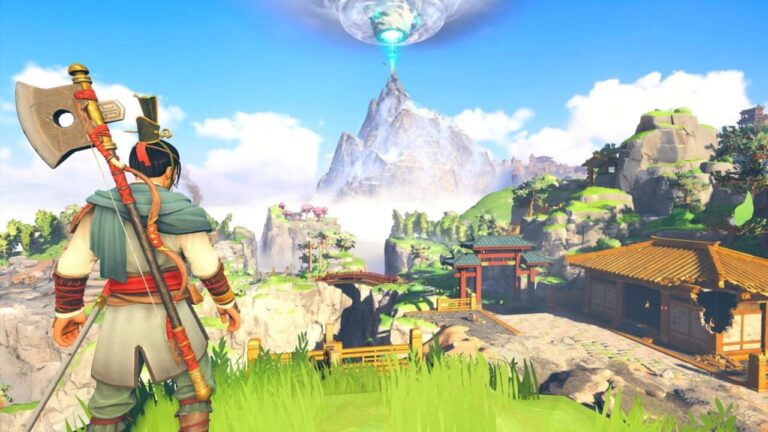
Following Assassin’s Creed Odyssey’s 2018 launch, Ubisoft released Immortals Fenyx Rising in 2020, another action-adventure title set in a mythological version of ancient Greece where the protagonist embarks on an epic quest to save the gods themselves. The game mirrors the Odyssey’s structural foundation of overcoming divine obstacles, with availability across PC, PS4, PS5, Nintendo Switch, Xbox One, and Xbox Series X/S. Both titles demonstrated that Greek mythology could anchor major AAA releases while maintaining commercial and critical viability.
Narrative Innovation Through Mythological Frameworks
The integration of mythological themes into game narratives has forced developers to solve fundamental storytelling challenges unique to interactive media. Supergiant Games’ Hades, released in 2020, exemplifies this innovation by solving what industry observers call the “roguelike narrative problem”—advancing the story of Zagreus escaping the underworld through repeated attempts, directly echoing the Odyssey’s theme of struggling against divine forces to return home. The title won multiple awards for its narrative integration and proved that roguelike mechanics could serve meaningful character development across PC, PS4, PS5, Xbox, and Switch platforms.
Beyond Greek mythology specifically, games have adopted the Odyssey’s thematic DNA to structure broader epic narratives. CD Projekt Red’s The Witcher 3: Wild Hunt, released in 2015, centers on a warrior’s quest to find his loved ones while fighting monsters and making world-changing choices—aligning directly with the Odyssey’s core theme of a hero’s journey to reunite with family. The action RPG’s availability across PC, PS4, Xbox One, PS5, Xbox Series X/S, and Switch demonstrates how classical narrative structures transcend genre and platform boundaries.
The Gold Standard for Epic Storytelling
Larian Studios’ Baldur’s Gate 3, released in 2023, has emerged as the benchmark for how games approach sprawling epic journeys with the scale and depth associated with classical mythology. The title won Game of the Year at The Game Awards 2023 and is now considered the gold standard for narrative RPGs, offering deep character development and mythological-scale storytelling across PC, PS5, and Xbox platforms. Its success signals that audiences expect games inspired by classical epics to deliver not just spectacle but genuine narrative weight and character agency.
Acclaim Games’ Asterigos: Curse of the Stars, released in 2022, further demonstrates the market viability of Greek mythology-inspired action RPGs. Set in a mythological world inspired by ancient Greece, the title features a hero’s journey to reclaim her homeland—directly paralleling the Odyssey’s narrative of a protagonist fighting to return home. Available on PC, PS4, PS5, Xbox One, and Xbox Series X/S, Asterigos shows that even mid-tier releases can succeed by anchoring their narratives in classical mythology.
Norse Mythology and the Broader Epic Journey
While Santa Monica Studio’s God of War (2018) and God of War: Ragnarök (2022) shift the mythological setting to Norse rather than Greek traditions, both titles feature Kratos on an epic journey confronting gods and monsters that parallels the Odyssey’s fundamental structure. God of War (2018) achieved a Metacritic score of 94, while Ragnarök (2022) matched that achievement with an identical score of 94. Ragnarök specifically focuses on themes of fate and homecoming akin to Homer’s epic, proving that the Odyssey’s narrative framework translates across different mythological traditions.
The underworld journey represents another thematic intersection between games and the Odyssey. Both Visceral Games’ Dante’s Inferno (2010) and Supergiant Games’ Hades (2020) feature protagonists navigating underworld realms to reach loved ones, directly mirroring the Odyssey’s journey through dangerous lands to return home. Hades, in particular, earned recognition for its narrative depth, establishing itself as the definitive example of how roguelike mechanics can serve epic storytelling grounded in classical mythology.
How Classical Themes Shaped Modern Gaming Narratives
The resurgence of mythology-driven games represents a broader recognition within the industry that classical narratives offer proven frameworks for engaging interactive storytelling. Homer’s Odyssey provided these games with a structural template: a protagonist separated from home must overcome divine obstacles, confront monsters, make meaningful choices, and ultimately achieve reunion with loved ones or redemption. This formula has proven flexible enough to accommodate roguelikes, action RPGs, open-world adventures, and narrative-driven experiences.
The nine titles discussed here represent a significant shift in how AAA and mid-tier studios approach world-building and character development. Rather than inventing entirely new mythological systems, developers have chosen to either adapt classical mythology directly or reconstruct its thematic foundations within new settings. This approach has yielded both critical acclaim and commercial success, with multiple titles achieving Metacritic scores above 90 and Game of the Year recognition.
What Players Should Expect From These Titles
Players approaching these nine games should anticipate experiences that prioritize the hero’s journey as their foundational narrative structure. Whether navigating ancient Greece in Assassin’s Creed Odyssey and Immortals Fenyx Rising, escaping the underworld in Hades, or pursuing loved ones across monster-filled landscapes in The Witcher 3, each title delivers on the Odyssey’s promise of epic adventure grounded in meaningful character motivation. The common thread across all nine games is the centrality of homecoming—literal or metaphorical—as the driving force behind player progression.
The diversity of these titles ensures that players seeking Odyssey-inspired narratives can find experiences matching their preferred genres and platforms. From roguelikes to open-world action-adventures to narrative RPGs, the gaming industry has translated Homer’s classical epic into virtually every major genre. The continued success of these games across PC, console, and hybrid platforms confirms that audiences remain hungry for stories rooted in mythology, heroic struggle, and the eternal human desire to return home.
