
Key takeaways
- Zach Cregger's Resident Evil commits to absurdist comedy over survival horror, using the franchise as a premise for slapstick rather than suspense.
- The protagonist Bryan is intentionally incompetent and panicked, capturing what it feels like to be bad at horror games rather than playing them as a master.
- The film adapts the experience of playing Resident Evil rather than any specific game narrative, embracing the silliness inherent in survival horror as a genre.
A Comedy in Horror’s Clothing
The 95-minute film directed by Zach Cregger takes the Resident Evil franchise and remakes it as something fundamentally different from what longtime fans expect: a feature-length comedy that treats survival horror less as a serious narrative and more as an absurdist premise for physical humor and escalating chaos.
Bryan: The Worst Possible Protagonist
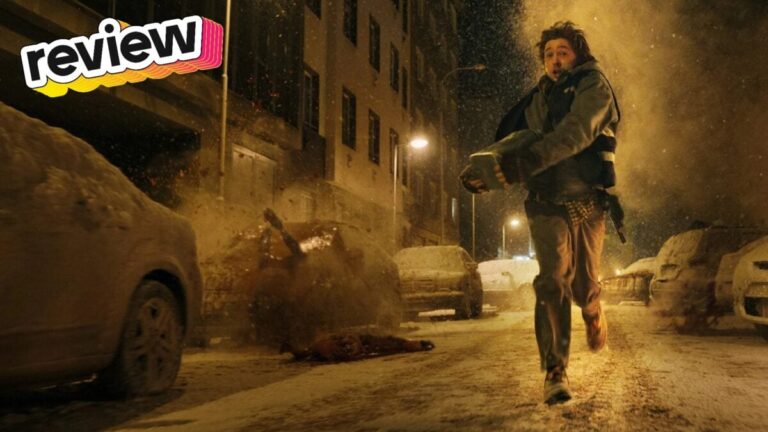
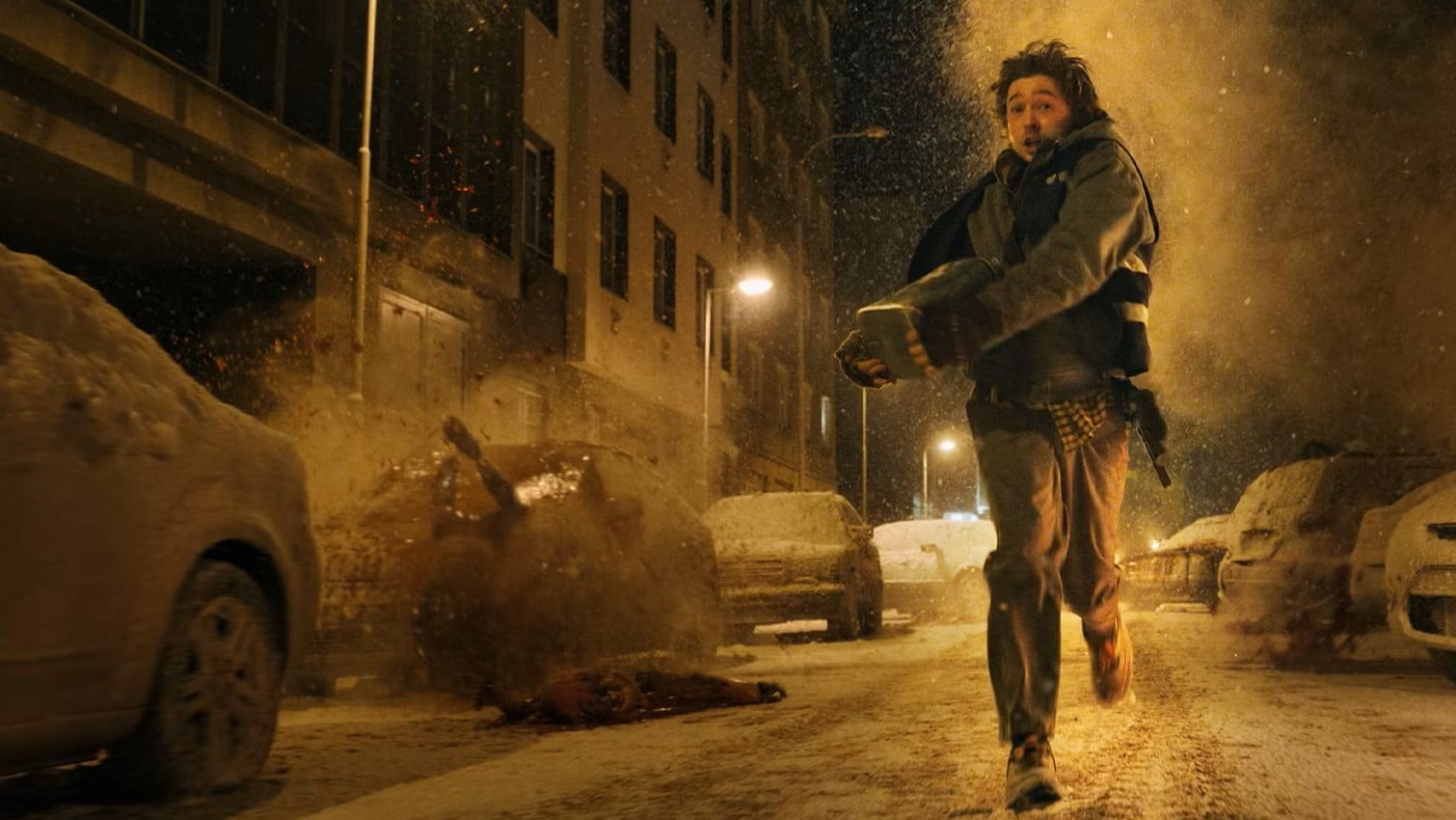
At the center of Cregger’s vision is Bryan, a character played by Austin Abrams who works as a medical courier in Raccoon City. Bryan’s night spirals into nightmare when he picks up what he assumes is an accident victim only to discover she is infected with something far worse than a car crash could explain. From this mundane beginning, the film builds outward into a chronicle of increasingly ridiculous encounters with the biological horrors that the games are known for, except told through the lens of someone completely unprepared and unwilling to treat the situation with gravity.
The core conceit is that Bryan is genuinely incompetent. He cannot handle weapons. He cannot handle survival gear. He cannot even comprehend what is happening to him, which leaves him reacting to each new monstrosity with profanity, stammering, and the kind of panic response that most survival horror protagonists would never allow themselves to display. Cregger, who comes from a background in sketch comedy with the Whitest Kids UKnow troupe, channels that sensibility into the film’s construction, building scenes around the raw comedy of someone experiencing horror rather than the horror itself.
Tone and Expectation
When the Premise Reveals Itself
This approach divides the potential audience almost immediately. The film borrows the visual language and monsters from Capcom’s games, maintains the Raccoon City setting, and even references the events of Resident Evil 2 as a backdrop. Yet it refuses to treat any of it with the self-seriousness that the franchise has cultivated over decades. Instead, Cregger opts for something closer to the tone of Evil Dead—a film that exists in the space between genuine scares and comedic extremity, letting both elements coexist without resolving the tension between them.
The movie’s 95-minute runtime never lets the absurdity relent. Bryan’s inner anxieties become externalized as the creatures he encounters, which provides a psychological through-line beneath the gore and physical comedy. The most effective moments are those where the film commits fully to this contradiction: presenting something genuinely grotesque, letting the audience process that grotesquerie, and then immediately undermining any lingering dread with Bryan’s inability to maintain composure. He reacts the way someone actually might react rather than the way an action hero would.
Grotesque Visuals Meet Comedy
The creatures are grotesque and visceral. The film does not shy away from depicting biological horror in its most extreme forms, sometimes creating imagery more unsettling than what appears in recent Resident Evil games. Yet this grotesqueness is deployed in service of comedy rather than pure terror. The effect keeps the film from achieving sustained dread or genuine suspense. Any tension that builds is deflated deliberately, repeatedly, until viewers understand that the film has made a commitment: this is a spoof with occasional scares, not a scary movie with occasional humor.
Capturing the Game Experience
The film succeeds at capturing something about the experience of playing Resident Evil that most straight adaptations miss. There is an inherent silliness to survival horror games that exists alongside the design intention of fear—the experience of moving through an environment where things jump out at you, where your character is vulnerable, where the stakes feel high but also knowingly contrived. By making his protagonist react with embarrassment as much as terror, Cregger taps into a truth about horror gaming that emphasizes its participatory nature. The viewer is essentially watching someone experience what it feels like to be bad at a horror game, to flail and panic and somehow survive through dumb luck and desperation.
Meta Commentary Without Winking
Resident Evil exists as an adaptation of the experience of playing Resident Evil more faithfully than it adapts any specific story from the games. That distinction matters. The film’s commitment to absurdism captures the documentary-like quality of someone experiencing horror gaming—the panic, the fumbling, the moment-to-moment survival instinct, all treated with comedic weight. It does not apologize for prioritizing this interpretation over narrative faithfulness.
Director’s Vision and Production
Cregger has stated that he initially benefited from feedback provided by test audiences during development. According to the director, he became more confident in the film’s approach after incorporating that guidance, and he reported that the final cut does not omit a single joke from the version he preferred. This suggests that the comedy was always central to his vision rather than something added in response to early reactions. The director appears genuinely invested in the film as comedy first, Resident Evil adaptation second.
The Adaptation Question
For viewers approaching this as a straight adaptation of Capcom’s material, the experience may prove frustrating. The game franchise carries certain expectations—the BSAA, the institutional knowledge of what an outbreak means, the gravitas that comes with stopping a bioweapon conspiracy. None of those elements ground the narrative. Instead, Bryan exists as someone accidentally dropped into the Resident Evil universe with no framework for understanding it, which mirrors a newcomer’s experience with the games themselves while also suggesting that maybe the worst possible protagonist for a survival horror story is someone entirely aware of how ridiculous the whole premise actually is.
Psychological Depth Beneath the Comedy
What separates Resident Evil from a simple parody is its willingness to acknowledge that Bryan’s anxieties about his future—his failing relationship with Michelle, his career insecurity, his general inadequacy—are reflected in the form of the monsters he faces. There is a psychological dimension that prevents the film from being hollow comedy. The horror elements serve a purpose beyond generating laughs, even when they fail to generate genuine fear.
How much you’ll enjoy Resident Evil will largely depend on how much you’re willing to accept a film that commits to absurdism over atmosphere, that prioritizes the comedy inherent in the survival horror genre over the horror itself. For audiences willing to embrace this approach, Cregger’s film works as something genuinely inventive—a deconstruction of horror gaming that respects the source material enough to understand its fundamental silliness. For viewers expecting something closer to the narrative DNA of the games, the film will feel like a betrayal before it becomes anything else.
Frequently Asked Questions
What is Zach Cregger's Resident Evil movie about?
The film follows Bryan, a medical courier played by Austin Abrams, who becomes trapped in Raccoon City while delivering a mysterious package and encounters increasingly grotesque biological horrors in a comedic tone.
Is the movie a faithful adaptation of the Resident Evil games?
No—the film prioritizes absurdist comedy and physical humor over the survival horror tone and narrative structure of Capcom's games, treating it more as a spoof of the experience of playing horror games than a straight story adaptation.
What was Zach Cregger's background before directing this film?
Cregger is known for his sketch comedy work with the Whitest Kids UKnow troupe, an influence evident in how the film balances grotesque imagery with comedic reactions.
