

Key takeaways
- Roblox argues that Audree Heine, who died by suicide at thirteen, waived her right to sue by clicking "Agree" on terms of service at age eight, despite having no legal capacity to understand arbitration or contracts.
- The company faces 150 lawsuits alleging harm to children and is under bipartisan Senate investigation into its child safety practices.
- Roblox's market value dropped nine billion dollars when the company reduced young children's exposure to viral, high-engagement games.
Roblox is asking a court to dismiss a wrongful death lawsuit by arguing that Audree Heine waived her right to sue the company when she agreed to its terms and conditions at age eight. Heine, who died by suicide at thirteen, never knowingly made that legal decision—she simply clicked “Agree,” as do millions of children using the platform every day.
The lawsuit, filed in October 2025 by Heine’s mother, Jaimee Seitz, alleges that Roblox exposed her daughter to harmful and violent influences despite active parental controls. According to Roblox’s legal filing, the child waived her rights not once but twenty-eight times: through her initial account creation, six subsequent updates to the terms of service, two redemptions of Roblox gift cards, and nineteen purchases of virtual currency. Each interaction, no matter how routine, allegedly constituted a fresh affirmation of the arbitration clause buried within the platform’s terms.
The Arbitration Strategy
Roblox’s Legal Argument
In its motion to compel arbitration, Roblox’s legal team stated: “Roblox made the Terms plain and Audree repeatedly manifested her assent, as courts have routinely held in examining similar agreements as the one at issue here.” The company contends that every interaction with the platform—whether updating the app, redeeming a gift card, or purchasing virtual currency—constituted a deliberate, informed affirmation of the original arbitration clause.
This approach treats a child’s routine interactions with a gaming platform as equivalent to legal negotiations entered into with full comprehension. Heine was eight years old when she created her account, an age at which most jurisdictions do not permit children to enter binding contracts. Yet Roblox argues that her repeated use of the service across ordinary activities somehow deepened her legal obligation to forgo her right to sue, no matter what harms she experienced.
The Weakness of Consent Mechanisms
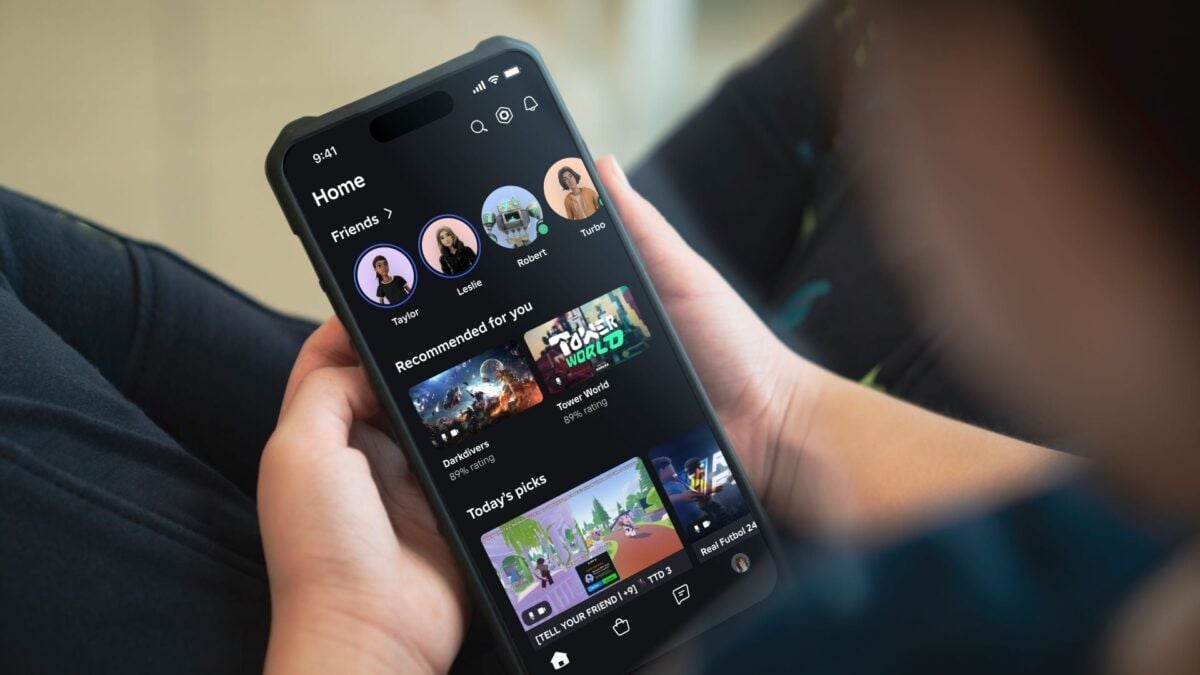
At the time Heine created her account, Roblox’s verification procedures were minimal. The platform did not require an email address or phone number. No authentication layer existed to confirm that a parent or guardian had authorized the account. A child could sign up with almost no friction, clicking through screens of legal text written in language that actively discourages actual reading.
Jaimee Seitz directly challenged Roblox’s characterization: “She was a child. She didn’t understand arbitration. She didn’t understand contracts. She didn’t understand what the little box could mean years later. But now they want a court to treat that click as though an 8-year-old knowingly negotiated away her right to have these issues heard. It’s insulting.”
The case raises a fundamental question about digital consent mechanisms: whether routine interaction with a platform can constitute informed waiver of legal rights when the user is below the age of legal capacity and the sign-up process involves no parental authorization.
The Social Pathway to Harmful Communities
From Roblox to Discord and TikTok
The lawsuit does not claim Roblox alone caused Heine’s death. Rather, it traces a pathway. Roblox facilitated the friendships and social connections that led Heine to create accounts on Discord and TikTok. To maintain relationships with other Roblox players, she joined these external platforms, where she became involved in an online subculture centered on the 1999 Columbine High School attack and the teenagers responsible for it.
Discord and TikTok are also defendants in the lawsuit and have likewise requested dismissal. Both note that their terms of service require users to be at least thirteen years old—a safeguard Roblox did not have when Heine signed up. However, neither company disputes the pathway through which Heine accessed these platforms: the social connections she formed on Roblox.
What Heine’s Diary Revealed
Heine’s own diary documented her engagement with the Columbine-focused online community and her struggles with mental health and school bullying. The same pages revealed the depth and focus of her involvement with this subculture. Seitz’s lawsuit contends that Roblox’s inadequate moderation and content safety systems allowed such harmful influences to reach her daughter despite the parental controls she had put in place on the Roblox account itself.
The central allegation is that Roblox created an environment in which a child could easily form relationships, move to less-monitored platforms, and encounter content focused on mass violence—without sufficient friction, warning, or protection at any step of that journey.
Roblox’s Broader Crisis: 150 Cases and Congressional Scrutiny
The Scale of Allegations
Roblox currently faces 150 lawsuits alleging that children have been harmed through use of the platform. The cases involve allegations spanning exposure to predatory behavior, bullying, radicalization through extremist content, and unsuitable social connections that enabled further harm. This volume of litigation suggests a systemic pattern that extends far beyond any single case or family.
The U.S. Senate is conducting a bipartisan investigation into Roblox’s child safety practices, indicating that concern about the platform has risen to the legislative level.
The Market Response to Safety Measures
When Roblox implemented a change to its recommendation algorithm—directing fewer young children toward the platform’s most viral and highly engaging games—the company’s market value fell by approximately nine billion dollars in a single day. The market signal was explicit: investors prioritize user engagement and monetization over the company’s ability to protect children from harmful content or financially exploitative spending patterns.
The contradiction is stark. The moment Roblox attempted to create friction between young users and the most engaging (and potentially dangerous) experiences, Wall Street punished the company. Yet simultaneously, Roblox argues that a child’s clicks on terms of service and virtual currency purchases constitute informed, binding legal decisions made with full comprehension of consequences.
The Fundamental Question: Childhood and Legal Capacity
An eight-year-old child has not yet developed the cognitive capacity to understand arbitration, contract law, or the long-term consequences of digital clicks. Courts have long questioned whether terms of service that bury arbitration clauses in dense, lengthy text constitute true informed consent even for adults. For a child, the disconnect between the action (clicking) and the legal meaning (waiving the right to sue) is categorical.
The premise that a child who used a platform to the extent of clicking through terms, accepting updates, and spending virtual currency somehow knowingly waived her right to legal recourse is, on its surface, untenable. The click occurred without deliberation, comprehension of what she was agreeing to, or any adult guidance. No eight-year-old can negotiate away her rights through such a mechanism, no matter how many times she reaffirms them through normal platform use.
If the court accepts Roblox’s motion and dismisses the case before trial, it would establish that tech companies can use routine child interactions with their platforms as a legal shield against lawsuits for harms incurred. If the motion is denied, Audree Heine’s case would proceed to trial, subjecting Roblox’s practices, its knowledge of child risks, and its prioritization of engagement over safety to judicial examination.
Frequently Asked Questions
Who was Audree Heine and what is this lawsuit about?
Audree Heine was a thirteen-year-old who died by suicide. Her mother, Jaimee Seitz, filed a wrongful death lawsuit in October 2025 alleging that Roblox exposed her daughter to harmful influences despite parental controls, through connections that led her to Discord and TikTok communities focused on the 1999 Columbine High School attack.
How many times did Roblox claim Audree waived her rights?
Roblox claims Audree waived her rights twenty-eight times: once through account creation, six times through terms of service updates, twice through gift card redemptions, and nineteen times through virtual currency purchases.
What is Roblox facing beyond this single wrongful death case?
Roblox currently faces 150 lawsuits alleging harm to children and is subject to a bipartisan Senate investigation into its child safety practices. The company's market value fell nine billion dollars in a single day after it reduced young children's access to viral games.
