
Key takeaways
- July 2026 marked the worst month for U.S. console sales since July 2020, with hardware spending down 29 percent year-over-year to $282 million, driven by elevated prices from RAM shortages.
- While Nintendo Switch 2 led in unit sales despite a 51 percent year-over-year decline, PlayStation 5 and Xbox Series fell 6 and 18 percent respectively as higher hardware prices suppressed demand.
- Average hardware prices surged 16 percent to $542 per unit while unit sales collapsed 39 percent year-over-year, indicating that cost increases are actively preventing consumer purchases.
- Nintendo plans a Switch 2 price increase for September 1st, 2026, and analysts predict further price increases across the industry with little optimism for cost relief.
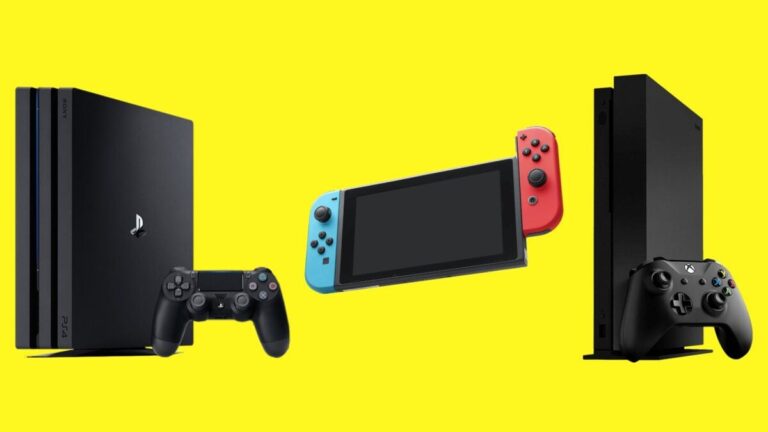
The U.S. video game hardware market recorded its worst performance in six years during July 2026, according to analysis from Circana. The month marked the lowest point for console sales in July since 2020, when the COVID-19 pandemic severely disrupted supply chains and created widespread inventory shortages. The current decline, however, stems from fundamentally different causes. Rather than scarcity limiting purchases, consumer reluctance driven by elevated hardware prices has become the primary impediment to sales growth. This distinction illustrates how market conditions have shifted from pandemic-era supply constraints to a new equilibrium shaped by manufacturing cost pressures.
A Market-Wide Contraction
Hardware spending and pricing dynamics
Hardware spending for July 2026 reached $282 million, down 29 percent year-over-year. Although this represents a substantial decline, it remains significantly higher than July 2020’s pandemic low of $163 million. The character of this recent decline, however, reveals structural market issues more clearly than raw spending figures alone. Unit sales fell 39 percent year-over-year, a sharper decline than the 29 percent spending drop. Simultaneously, the average selling price for new hardware jumped 16 percent to $542 per unit.
This widening gap between volume and price illuminates the central market problem. Consumers are purchasing fewer units despite—or perhaps because of—higher per-unit costs. Manufacturers have passed increased component costs directly to consumers to preserve profit margins while contending with supply chain pressures. The pricing environment has shifted from stabilizing demand to actively suppressing it.
Sector-wide software decline
Hardware weakness extended throughout the software sector. Overall games spending declined 10 percent year-over-year, reflecting simultaneous weakness in both hardware and software sales. The software decline suggests that consumers are not merely postponing console purchases but also moderating their spending across gaming categories. This broader pullback indicates systemic weakness in consumer demand for interactive entertainment rather than temporary inventory fluctuations or seasonal adjustments.
Hardware Makers Navigate Difficult Comparisons and Cost Pressures
Nintendo Switch 2 confronts its own launch window
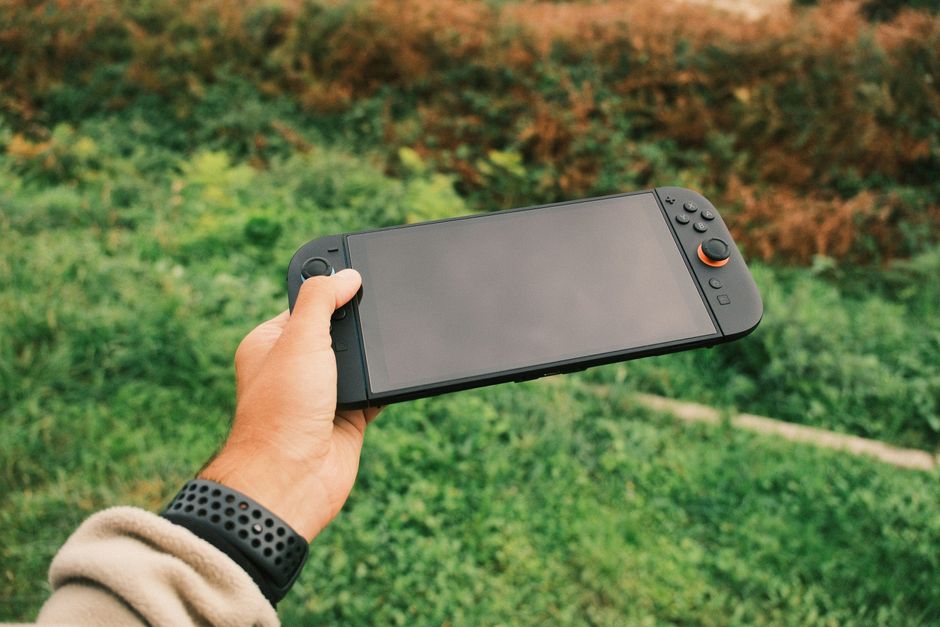
Nintendo Switch 2 unit sales dropped 51 percent compared to July 2025, a steep year-over-year decline that requires critical context. July 2025 fell within the Switch 2’s launch window, when consumer enthusiasm peaked and inventory limitations constrained availability. The year-over-year comparison therefore reflects a market returning to normal levels after launch excitement rather than unexpected weakness. Despite this significant percentage decline, Switch 2 maintained the strongest unit sales volume among all tested hardware platforms.
PlayStation 5 and Xbox Series face sustained headwinds
PlayStation 5 unit sales declined 6 percent year-over-year, while Xbox Series hardware experienced an 18 percent drop. Both systems confronted ongoing challenges from elevated hardware costs directly attributable to the RAM and component crisis. Unlike Switch 2, which benefited from favorable comparison context, PlayStation and Xbox faced year-over-year declines during a period when their established market positions should theoretically have stabilized sales. The price increases appear to be actively suppressing consumer demand for these platforms at their current price points.
The Underlying Component Crisis
RAM shortage elevates hardware costs
Circana explicitly attributed the declining sales for PlayStation 5 and Xbox Series to higher hardware prices driven by the RAM and component crisis. RAM availability constraints have created cascading effects throughout the manufacturing supply chain, raising production costs that manufacturers have transferred to consumers through retail price increases. The 16 percent surge in average hardware prices directly reflects these manufacturing cost pressures. With insufficient RAM supply, manufacturers cannot reduce prices to stimulate demand, creating a trapped equilibrium where production costs and retail prices remain elevated.
Price increases continue despite market weakness
The component crisis shows no signs of abating in the immediate term. Nintendo has scheduled a Switch 2 price increase for September 1st, 2026, which will place further downward pressure on demand. Industry analysts have publicly predicted additional console price increases beyond those already implemented, with minimal optimism that prices will decline. The RAM shortage persists unresolved, and component availability remains constrained, leaving manufacturers with little room to reduce hardware costs or pass savings to consumers in the foreseeable future.
Unit Sales and Dollar Sales Leadership
Circana’s metrics reveal different performance characteristics across volume and revenue. PlayStation 5 led the market in dollar sales for July, reflecting its established install base and the elevated price points that now characterize console transactions. Nintendo Switch 2, however, led in unit sales volume, indicating stronger unit-level consumer interest despite its lower total revenue contribution per transaction. This metric divergence demonstrates how price increases are reshaping the fundamental relationship between sales volume and total market value.
Lifecycle Trajectory and Market Outlook
Switch 2’s sales pace exceeds the original Nintendo Switch’s performance at the equivalent point in each system’s lifecycle by 11 percent. This advantage persists despite unfavorable year-over-year comparisons, elevated price points, and an approaching September price increase, suggesting sustained consumer preference for Nintendo’s hybrid hardware form despite adverse market conditions.
Circana emphasized that July 2026’s market contraction reflects structural challenges extending beyond normal industry cyclicality. The combination of Switch 2’s record-setting June 2025 launch creating difficult comparisons, widespread hardware price elevation driven by component shortages, and additional price increases scheduled for September creates compound headwinds for the entire market. Resolution to the RAM crisis or stabilization of component costs appears necessary before hardware spending can stabilize or recover.
Frequently Asked Questions
What caused July 2026's poor console sales?
Multiple factors drove the decline: elevated hardware prices from the RAM and component crisis, difficult year-over-year comparisons for Switch 2 which launched in June 2025, and overall consumer pullback on discretionary spending across both hardware and software categories.
Which console performed best in July 2026?
Nintendo Switch 2 led in unit sales despite a 51 percent year-over-year decline, while PlayStation 5 led in dollar sales. PlayStation 5 saw a 6 percent unit decline and Xbox Series dropped 18 percent.
Will console prices decrease in the coming months?
No. Nintendo Switch 2 faces a price increase on September 1st, 2026, and industry analysts predict additional console price increases across all platforms. The RAM crisis remains unresolved, leaving little prospect for price relief in the foreseeable future.
