
Key takeaways
- Ampere Analysis predicts PS6 and Xbox Helix sales could drop 39 million units over five years if priced at $1,000 instead of $700.
- Player spending could decline 12 percent in the first three years, costing $3.4 billion in ecosystem revenue across gaming.
- Three potential solutions exist—delay past 2028, subsidize hardware, or innovate beyond performance specs—but each carries substantial risks and trade-offs.
- Nintendo's Switch 2 at $500 demonstrates that affordability and quality gameplay can coexist through innovation-focused design.
Ampere Analysis released an August 18 report presenting a stark forecast for the upcoming console generation: if PlayStation 6 and Xbox Project Helix enter the market priced at $1,000, the combined install base could contract by approximately 38 percent compared to a $700 launch price. Over the first five years, this translates to roughly 39 million fewer consoles sold—a market contraction significant enough to reshape the gaming industry’s trajectory through the 2030s.
The analysis captures a fundamental truth about console economics that resurfaces each generation: accessibility drives adoption. The Wii’s dominance during the Xbox 360 and PlayStation 3 era demonstrated how aggressive pricing can expand addressable audiences. The inverse applies equally—premium pricing shrinks them.
The Quantified Revenue Impact
The financial consequences extend well beyond hardware unit losses. Ampere’s forecast predicts player spending will decline by approximately 12 percent during the first three years of the next console generation if prices surge to $1,000. That percentage translates to roughly $3.4 billion in lost revenue across the ecosystem during a critical three-year window when early adopters typically drive game purchases, subscription adoption, and digital storefront engagement.
Notably, most of this lost revenue would not have gone to console manufacturers anyway. Artificial intelligence-driven component cost increases consume a substantial portion of the price differential, meaning the $300 gap between $700 and $1,000 pricing represents dollars flowing directly to hardware costs rather than software, services, or content creators. Publishers, developers, and subscription services all benefit from larger install bases—they bear the risk when install bases contract.
Piers Harding-Rolls, Ampere’s senior research director, articulated the underlying concern in his report. “The economics of console gaming have changed significantly,” he wrote. “If Sony and Microsoft take conventionally designed, incrementally improved consoles to market at substantially higher prices, our forecasts suggest they risk reducing the addressable audience for the next generation.”
The Component Cost Crisis
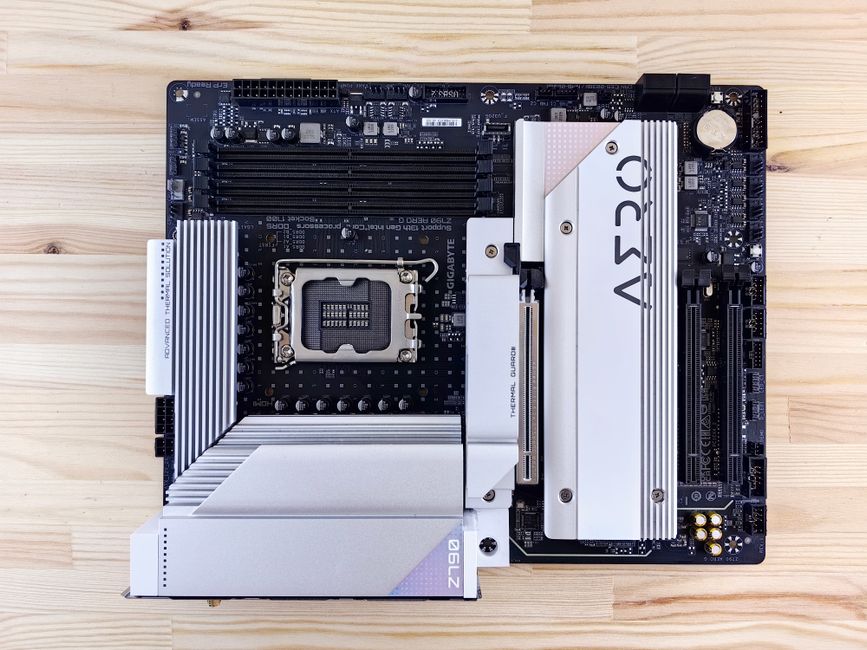
Understanding this revenue projection requires examining why hardware costs have escalated so dramatically. Artificial intelligence-driven components have fundamentally altered manufacturing economics. Specialized memory modules, processing units with dedicated AI acceleration capabilities, and neural processing components all command premium prices that don’t necessarily translate into gaming-relevant performance gains.
This differs markedly from prior console cycles, when component miniaturization and manufacturing scale typically drove costs downward over a console’s lifespan. The AI component market currently moves in the opposite direction, with prices remaining elevated as demand from data centers, cloud services, and enterprise applications keeps supply constrained and pricing firm.
Three Strategic Responses
The Ampere report identifies three potential paths for Sony and Microsoft to avoid a generational market contraction.
Delaying the Launch
The first option involves postponing PS6 and Project Helix beyond their rumored 2028 window, hoping component costs normalize during the additional waiting period. This strategy carries substantial risks. Console manufacturers don’t control component markets—they’re price-takers, not price-setters. Betting on autonomous cost reductions among AI component suppliers represents a gamble with weak historical precedent. Additionally, delaying entry concedes market momentum and competitive positioning to alternatives. Development teams that have already invested multiple years in hardware architecture decisions face disruption if fundamental redesign becomes necessary.
Hardware Subsidization
The second strategy involves Sony and Microsoft absorbing cost differentials themselves, maintaining competitive retail prices while accepting reduced hardware profitability. This model has worked during specific periods in prior console generations, particularly during fierce competitive battles where price leadership became strategically critical. However, implementing it today would require sustained financial commitment precisely when both companies face shareholder pressure for improved profitability. A $300-per-unit subsidy compounds dramatically as install bases scale into tens of millions of units.
Substantial Innovation
The third path calls for innovation beyond incremental performance improvements. Rather than competing primarily on graphics fidelity and processing power, Sony and Microsoft would introduce genuinely novel gaming features or platforms that justify premium pricing independent of raw computational specifications. Conceptually, this approach seems optimal—it reframes the price discussion around value rather than specifications. Practically, it presents enormous challenges. It requires identifying innovations that consumers haven’t yet experienced or decided they want, implementing them within systems designed around conventional architectures, and building publishing ecosystems that support those features while maintaining backward compatibility.
Nintendo’s Alternative Model
Nintendo presents an instructive counterpoint to console industry orthodoxy. The upcoming Switch 2 will launch at approximately $500, positioning it roughly at parity with current PlayStation 5 and Xbox Series X pricing. Despite occupying the lowest price tier in the active console market, the Switch has delivered sustained success with compelling game experiences that don’t require matching the raw technical specifications of Sony or Microsoft hardware.
This success trajectory spanning decades demonstrates that market affordability and game quality aren’t mutually exclusive when innovation drives design philosophy rather than specifications alone. Nintendo’s consistent choice to prioritize innovation over raw power has resulted in the most accessible console on the market—one that hasn’t required significant compromise in game quality.
The Industry Ecosystem Implications
The Ampere Analysis report arrives amid an unprecedented cost crisis affecting the broader gaming industry. Development budgets have escalated rapidly while profitability pressures mount across publishing companies. Within this environment, console pricing decisions carry implications that ripple through entire publishing ecosystems. Insufficient hardware adoption directly reduces publisher willingness to invest in next-generation titles, potentially creating feedback loops where high prices suppress install bases, which suppresses game investment, which further constrains adoption.
The Execution Paradox
The fundamental challenge facing Sony and Microsoft is that none of these solutions aligns neatly with current corporate trajectories. Both companies have already committed to specific hardware architectures and development roadmaps spanning multiple years. Fundamental design changes at this stage require executive leadership approval that represents significant departures from established plans. Postponement delays revenue recognition and concedes competitive timing to rivals. Subsidization reduces profitability at moments when investors demand improved financial performance. Innovation requiring genuinely new gaming paradigms demands resource allocation and risk tolerance beyond what corporations typically authorize.
The calculus grows more urgent as 2028 approaches. Every quarter of delay narrows available options while increasing sunk development costs. Yet proceeding at $1,000 prices risks the market contraction Ampere’s analysis quantifies with specificity.
Frequently Asked Questions
How much could the console install base shrink if PS6 and Xbox Helix cost $1,000?
Ampere Analysis predicts the install base could be approximately 38 percent smaller if consoles cost $1,000 rather than $700, representing roughly 39 million fewer units sold over the first five years.
What three solutions does Ampere propose to avoid a market contraction?
The report outlines delaying the launch past 2028 to allow component costs to decrease, hardware subsidization to maintain competitive pricing, and substantial innovation beyond performance improvements to justify premium pricing.
Why are AI component costs rising faster than in previous console generations?
Artificial intelligence-driven components, including specialized memory modules and AI accelerators, remain expensive due to high demand from data centers and enterprise applications, keeping supply constrained and pricing firm.
