
Key takeaways
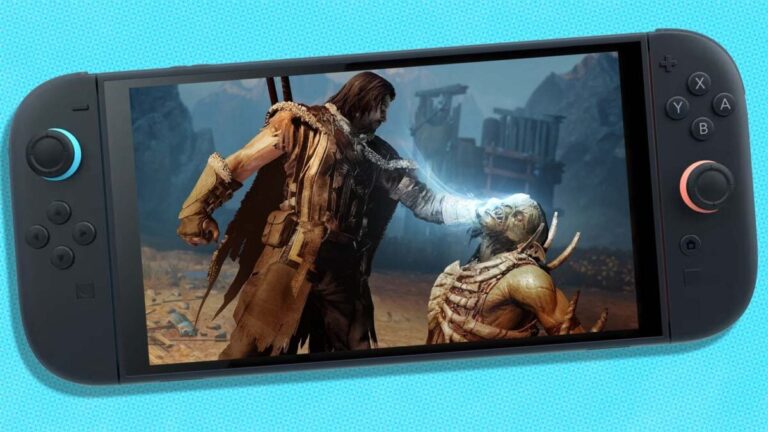
- Aspyr ports both Middle-earth: Shadow of Mordor and Shadow of War to Nintendo Switch 2 on September 30, marking the first appearance of either game on any Nintendo platform.
- Both games include all expansion and Season Pass content at launch, with a two-week promotional period offering Shadow of Mordor for $10, Shadow of War for $25, and both together for $35.
- The Nemesis system, which makes enemies evolve, grow stronger, and remember their battles with the player, distinguishes these games from traditional action titles and defines their core identity.
- The Switch 2 release fulfills years of player requests from the Nintendo community seeking access to these critically acclaimed franchises without owning other hardware.
Two major action games are coming to Nintendo Switch 2 next week when Aspyr ports Middle-earth: Shadow of Mordor and Middle-earth: Shadow of War to the console on September 30. Store listings for both titles appeared on the Nintendo Switch 2 eShop today, with the discovery initially made by a Reddit user before Aspyr released an official trailer to confirm the announcement that had caught the gaming community by surprise.
Aspyr Media and the Port Pipeline
Aspyr Media, the studio behind recent ports of Tomb Raider and Star Wars titles to various platforms, now expands its portfolio to include the Middle-earth franchise. The studio has positioned itself as a reliable choice for bringing established PC and console games to new hardware, with the Shadow of Mordor pair representing another significant franchise addition to its track record of successful ports.
Pricing Breakdown and Promotional Structure
The Switch 2 versions arrive with tiered pricing options. Shadow of Mordor carries a base price of $20, while Shadow of War is priced at $50. Players wanting both can purchase them together in a bundle for $70. To encourage launch adoption, Aspyr is running a two-week promotional period that substantially reduces these prices: Shadow of Mordor drops to $10, Shadow of War falls to $25, and the combined bundle becomes $35. Both versions include all expansion content and Season Pass materials as standard, requiring no additional purchases to experience the complete game.
Historical Pricing Patterns
While the promotional discounts represent solid savings from the standard prices, both games have appeared on sale frequently across other platforms, particularly through Steam, where they have seen even deeper reductions at various points in their lifecycle. The Switch 2 launch pricing follows industry convention for porting decade-old titles to new hardware, offering an accessible entry point while the games remain relatively new to one particular audience.
Gaming Landmarks from Two Generations
Shadow of Mordor arrived in 2014 as a new intellectual property that would immediately gain critical attention and player enthusiasm. Its success led to Shadow of War in 2017, which expanded upon the original’s systems and scope. Both games have maintained continuous availability on PC, PlayStation, and Xbox systems throughout the years since their respective launches, building sustained player bases and earning strong critical reception that has lasted across console generations.
The Nemesis System Explained
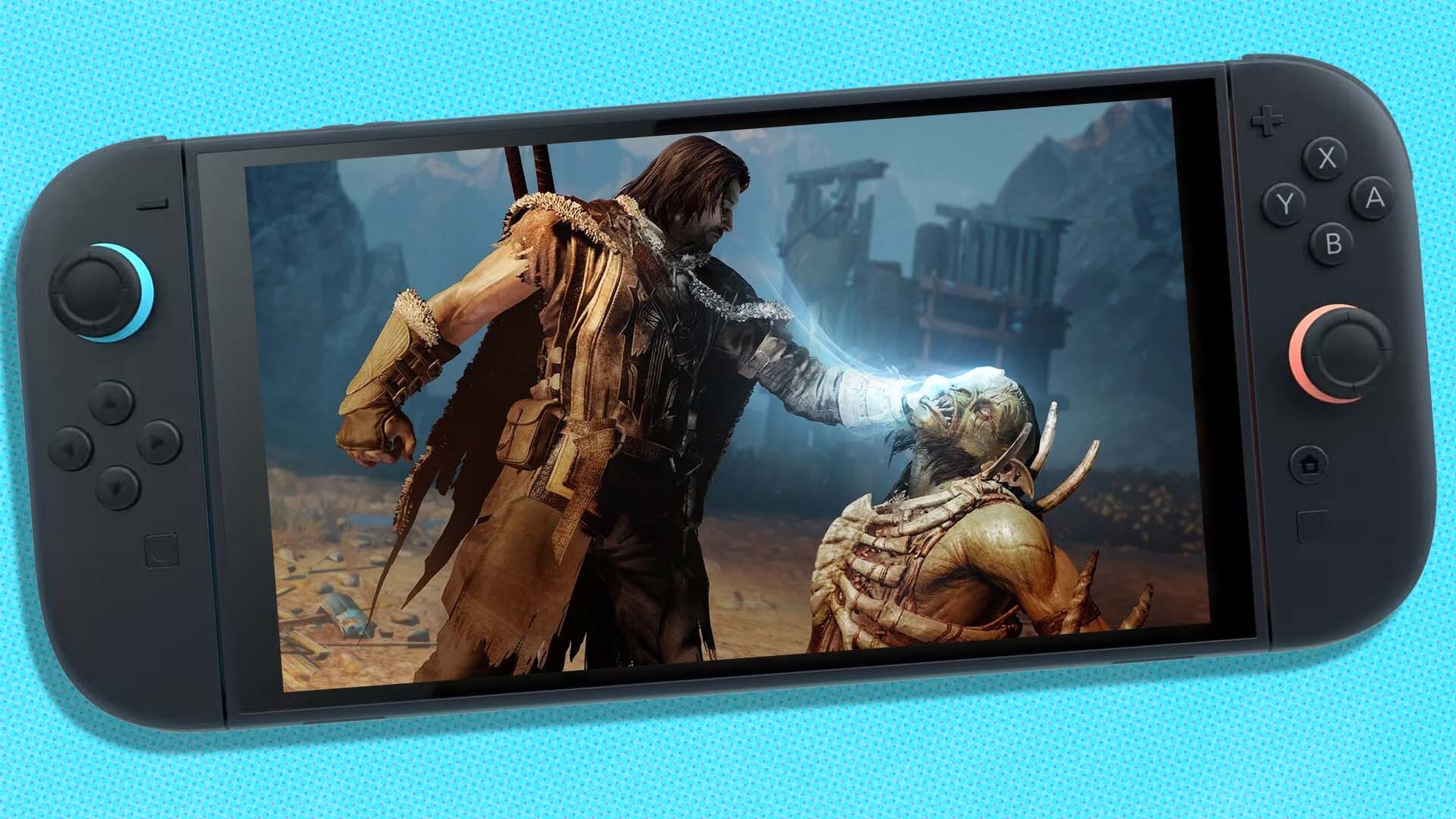
What distinguishes the Shadow of Mordor games from standard action titles is the Nemesis system, an AI-driven mechanic that treats every enemy as a persistent, evolving character rather than a disposable obstacle. When players encounter enemies throughout the game, those adversaries remember the meetings. They grow stronger between each confrontation, develop specific tactical responses based on how previous battles unfolded, and actively adapt their behavior depending on what worked or failed in past encounters. This system creates the sensation that players are developing actual rivalries with individual enemies, each of whom has their own progression arc shaped entirely by their interactions with the player.
Nemesis Impact on Gameplay
The Nemesis system fundamentally changes how players approach combat scenarios compared to traditional action games. Rather than fighting forgettable enemies, players face adversaries whose strengths, weaknesses, and behavioral patterns are directly informed by previous battles. An enemy who successfully used fire attacks in an earlier encounter might employ them more frequently in the next meeting. A foe defeated by stealth will be more cautious and watchful on future occasions. This creates layers of strategy and consequence that extend beyond individual fights into the broader arc of the player’s journey.
First Nintendo Platform Appearance
Despite their presence across PC, PlayStation, and Xbox for over a decade, neither Shadow of Mordor nor Shadow of War has ever appeared on any Nintendo system. The Switch 2 release marks the first time either game becomes available on Nintendo hardware, ending a complete absence that has spanned multiple console generations. This represents a notable addition to the Switch 2 library, particularly given the critical respect both games have maintained throughout their lifespan on competing platforms.
Meeting Longstanding Player Demand
The gaming community has discussed and requested ports of both games to Nintendo platforms for several years. Players who own exclusively Nintendo hardware have identified the Shadow franchise as a glaring omission from their available library, particularly given the games’ sustained popularity elsewhere. The Switch 2 release finally fulfills this accumulated request, providing access to millions of players whose console preference or exclusive hardware ownership had previously made these acclaimed titles unreachable without additional investment.
Frequently Asked Questions
When do Shadow of Mordor and Shadow of War release on Nintendo Switch 2?
Both games launch on September 30 through Aspyr Media, with a two-week promotional period running immediately after release.
What is included in the Switch 2 versions of these games?
Both versions include all previously released expansion content and Season Pass material at no additional charge beyond the purchase price.
What does the Nemesis system do in these games?
The Nemesis system treats each enemy as a persistent character that grows stronger between encounters, remembers previous battles with the player, and adapts tactics based on past outcomes, creating dynamic rivalries throughout gameplay.
