
Key takeaways
- Capcom rebuilt Monster Hunter Wilds from the ground up for Switch 2 rather than simply scaling down a console port, with the goal of preserving the full game experience on handheld hardware.
- The team targeted stable 30 frames per second in handheld mode even during four-player multiplayer hunts, requiring painstaking optimization of assets, shaders, and collision detection systems.
- Monster Hunter Wilds releases on Nintendo Switch 2 on December 4, followed by an expansion called Monster Hunter Wilds: Ascendance planned for future release.
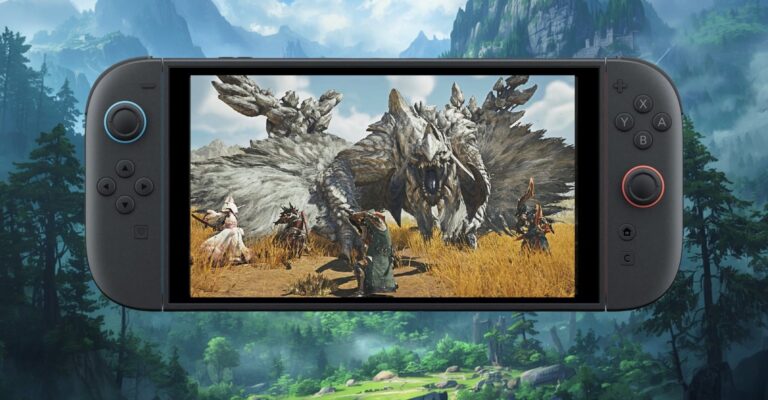
Capcom approached the Nintendo Switch 2 port of Monster Hunter Wilds not as a simplified conversion of existing assets, but as a comprehensive rebuilding project designed to preserve the game’s core identity on less powerful hardware. The studio confronted a specific challenge: Monster Hunter Wilds was engineered for high-end platforms and PCs, yet the team wanted handheld players to experience the same game rather than a diminished version. While Monster Hunter games have long appeared on Nintendo handheld systems, rarely have titles originally designed for high-end consoles and PC found their way to Nintendo’s portable platforms without substantial compromise.
Producer Genki Sunano outlined this strategy in an interview with Kotaku. “The Nintendo Switch 2 version of Monster Hunter Wilds was developed around the concept of delivering a natural Monster Hunter Wilds experience on Nintendo Switch 2,” he said. “In other words, we didn’t want it to feel like a simple port, where the graphics or performance had merely been scaled down to make the game run on Nintendo Switch 2. Instead, our goal was to bring the Wilds experience to Nintendo Switch 2 without compromising the experience of Monster Hunter Wilds.”
This approach marked a departure from how publishers typically handled console-to-handheld conversions, where accepting visual and performance compromises became necessary trade-offs.
Scale and Scope of the Game
Monster Hunter Wilds includes a large open world, elaborate character animations unique to each creature encounter, and seamless online multiplayer support for hunting parties. The combination of these systems created optimization challenges that extended far beyond simply lowering resolution or frame rates. Every system that contributed to the game’s design required individual evaluation, with difficult decisions made about what could change without altering the fundamental experience.
“Wilds is packed with a tremendous number of elements, so we had to carefully evaluate the assets and underlying processing behind each one, determining what needed to be preserved and what could be adjusted without changing the overall experience,” Sunano explained.
The Painstaking Optimization Process
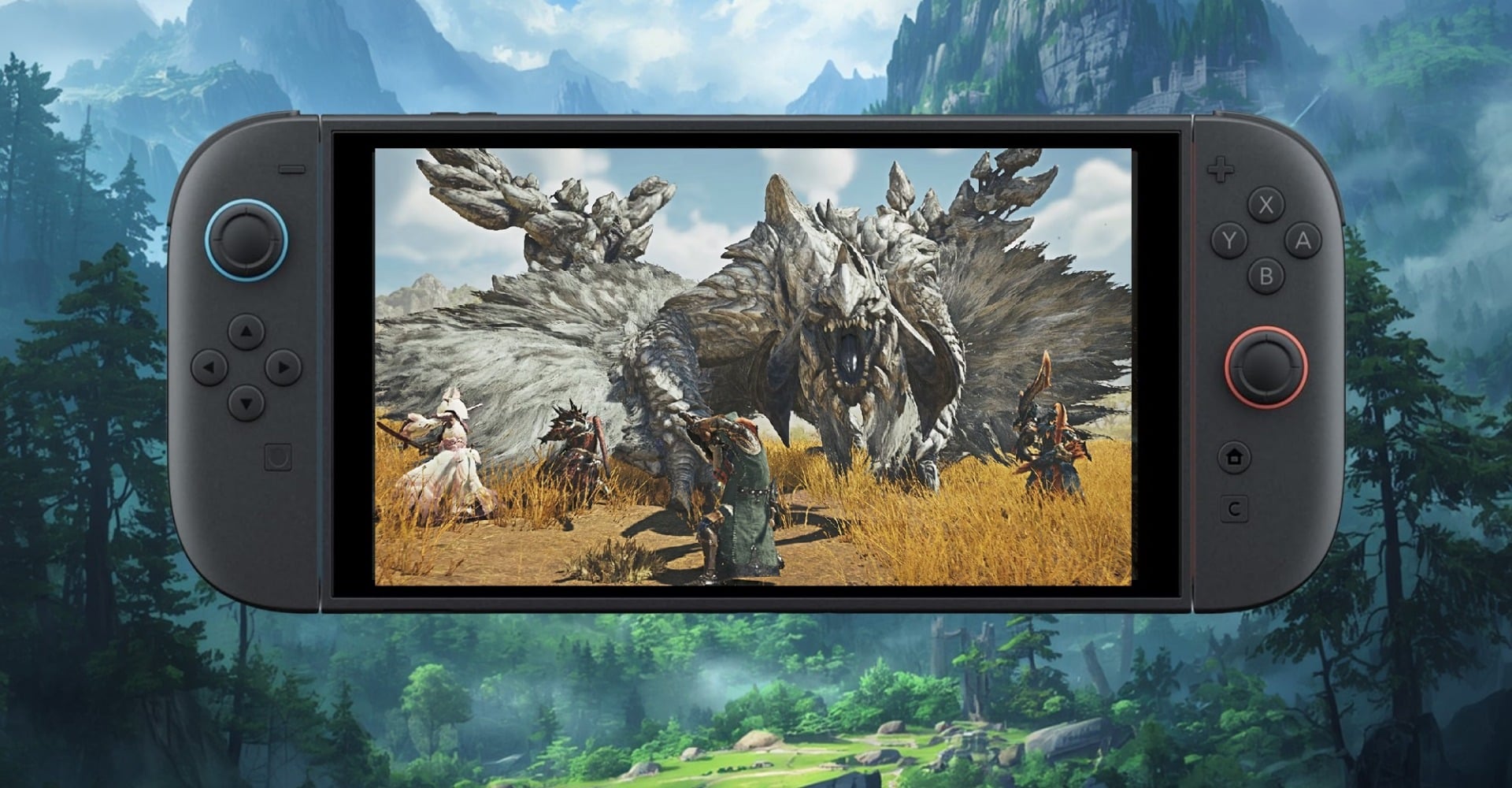
Capcom defined success for the Switch 2 version as stable 30 frames per second in handheld mode, even during four-player multiplayer hunts where the engine calculates collision detection and animation data for multiple hunters and creatures simultaneously. This frame rate requirement shaped every subsequent decision about what could be streamlined and what had to remain intact.
Rebuilding Assets and Shaders
Rather than converting existing assets down to lower complexity, Capcom rebuilt certain visual components from the ground up. The team created more efficient implementations of shaders and visual elements while preserving the original aesthetic players would recognize from console versions. This meant Switch 2 players would not see a visually diminished experience when comparing gameplay footage to other platforms.
The rebuild process proved laborious and, at times, seemed to have no clear endpoint. “It was this painstaking, and at times seemingly endless, process of making decisions and optimizations one by one that proved to be one of our biggest challenges in delivering a comfortable handheld experience while preserving what makes Wilds feel like Wilds,” Sunano noted.
Collision Detection and Visual Effects
A critical part of preserving gameplay involved ensuring that visual modifications did not introduce unintended effects during combat. When the team modified visual-effect assets for the Switch 2 version, the new implementations had to maintain alignment with the game’s existing hitboxes and collision detection systems. A visual change that appeared identical could alter hitbox geometry and create gameplay inconsistencies if the underlying systems did not match. This requirement meant the team could not simply optimize visual elements in isolation, but had to reassess how each modification affected the entire physics and detection systems supporting combat.
Resource Allocation Strategy
Capcom focused its optimization efforts on gameplay-critical systems first. According to Sunano, “Through this process, we focused our resources on areas that directly affect the gameplay experience. At the same time, we took another, much closer look at areas we had previously considered sufficiently optimized for home-console hardware. To make the game run on handheld hardware, we reassessed every aspect of these areas and replaced certain visual techniques and internal processing with more efficient solutions.”
This meant some visual techniques that worked well on consoles were replaced with alternative approaches specifically engineered for Switch 2’s capabilities. The team did not simply disable features; instead, it engineered different solutions that achieved similar visual results with lower computational cost.
Learning for Future Platforms
The extensive optimization work conducted specifically for Switch 2 revealed principles that Capcom expects will influence development on other platforms. Sunano stated the team planned to “apply the knowledge and expertise gained through this project to the performance improvements that we will be making for existing platforms in the lead-up to the release of Monster Hunter Wilds: Ascendance.”
Capcom indicated that the optimization techniques discovered during the Switch 2 conversion would remain specific to that platform, but the underlying lessons about what systems could be streamlined without compromising core gameplay would carry into future projects.
Return to Handheld Gaming
The Switch 2 port represents a significant undertaking for the Monster Hunter franchise on Nintendo hardware. While Monster Hunter games have long appeared on Nintendo handheld systems, rarely have titles originally engineered for high-end consoles and PC hardware made the journey. Major releases like Monster Hunter: World and the current-generation Monster Hunter Wilds typically launch on high-end platforms first.
Bringing a game as technically demanding as Wilds to Switch 2 marks one of the franchise’s most ambitious handheld ports in recent years. The scope of the original game—with its open-world design, seamless multiplayer integration, and the sheer number of bespoke animations—made this conversion significantly more complex than typical handheld releases.
Release and the Expansion Ahead
Monster Hunter Wilds launches on Nintendo Switch 2 on December 4. Following the base game’s arrival, Capcom has already announced Monster Hunter Wilds: Ascendance as a planned expansion, which will release on existing platforms and by extension is expected to reach Switch 2 as well.
Source: Kotaku
Frequently Asked Questions
What was Capcom's main goal with the Monster Hunter Wilds Switch 2 port?
Producer Genki Sunano explained that the goal was to deliver a natural Monster Hunter Wilds experience on Switch 2 without compromising the experience by merely scaling down graphics and performance. The team rebuilt assets and systems from the ground up to preserve core gameplay.
What performance target did Capcom set for the Switch 2 version?
Capcom targeted stable 30 frames per second in handheld mode, even during four-player multiplayer hunts where the engine calculates collision detection and animation data for multiple hunters and creatures.
When does Monster Hunter Wilds launch on Switch 2?
Monster Hunter Wilds launches on Nintendo Switch 2 on December 4.
