
Key takeaways
- Pricing specialist Cassia Curran says Hollow Knight: Silksong's $20 price is too low and has created an impossible standard for other indie games.
- Games priced above $20 like Scott Pilgrim EX struggled to find commercial success, while those matching Silksong's price like Mina the Hollower performed better.
- The influx of AI-generated games has worsened the pricing pressure, leading developers to remove free demos and open playtests from their launches.
- For most indie studios, $20 has become an expected price point regardless of production values or development time.
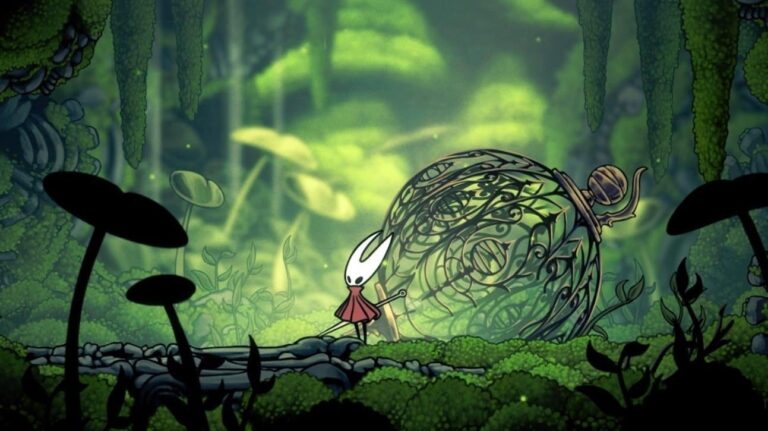
When Team Cherry released Hollow Knight: Silksong in 2025, the release generated the kind of critical and commercial success that defines a generation. The platformer arrived as one of Steam’s most popular games that year and emerged as a serious contender for Game of the Year honors, competing directly against AAA heavyweights. Yet beneath that triumph lies a problem that ripples through the independent game industry: Silksong’s $20 price tag may have been too low.
After a seven-year production cycle and a 30-hour single-player campaign, Team Cherry charged only $20, marking just a $5 increase from the original Hollow Knight in 2017. Cassia Curran, a pricing specialist who analyzes Steam’s market dynamics, saw the decision as a missed opportunity. “Hollow Knight kind of annoyed me,” she told The Game Business. “I was like, ‘Oh god, please price it higher. $24.99 would have made like a big difference to a lot of studios that have similar games.'”
How Pricing Benchmarks Work
The Precedent Problem
Curran maintains tools that help developers understand pricing strategy on Valve’s platform. Her work involves analyzing what competitors charge within specific genres and identifying whether developers can justify asking for more. What she discovered is a structural issue: when a universally acclaimed game succeeds at a particular price point, that price becomes a psychological and commercial ceiling for everything that follows.
If a developer cannot make a compelling case for why their roguelike or metroidvania should cost more than Silksong, Steam’s audience applies that comparison automatically. The market does not care about relative production values or development timelines; it cares about the precedent. Smaller studios find themselves constrained by a benchmark they did not set and cannot change.
The Downward Pressure
“I would say there is actually quite a lot of downward pricing pressure, especially with friendslop these days,” Curran explained. The thousands of games arriving on Steam each year have already made differentiation and premium pricing nearly impossible for new titles. Now add to that the AI-generated slop flooding the marketplace, and indie developers face a hostile environment where asking for $25 or $30 can feel commercially suicidal.

Games That Tried to Break the Mold
Scott Pilgrim EX and the Failure of Premium Pricing
The evidence appeared within months of Silksong’s launch. Tribute Games released Scott Pilgrim EX, a retro pixel art beat-em-up, at $30. The game received genuine praise as a modern homage to River City Ransom, and according to Kotaku, it was a generally great title. Yet Steam players balked at the price, and the game’s sales struggled as a result. The $10 premium over Silksong proved to be a barrier that buyers would not cross.
The Success of Matching the Benchmark
Yacht Club Games learned from that example. When Mina the Hollower arrived, another retro adventure game, it launched at $20. The strategy appeared to work. The marketplace sent a clear signal: match Silksong’s price, or accept being labeled as overpriced.
When Higher Prices Actually Work
Not every indie game seeking a premium price failed. Earlier in 2025, Valor Mortis, a Napoleonic Soulslike, arrived at $40 and claimed to have broken even with its initial sales. Star Wars Zero Company, priced at $50, reached 1 million units sold on PC. These exceptions demonstrated that premium pricing remains possible, but only for projects with sufficient brand recognition or marketing momentum to justify the cost to players before they even launch.
The AI Slop Complication
The pricing crisis now occurs within a context of unprecedented competition from AI-generated titles. The influx of genAI games has intensified the crowding at Steam’s lower price points, forcing developers to compete not only with each other but with zero-effort alternatives designed to exploit rather than build communities. For studios considering their launch price, the calculation has become: why set a premium when someone might scrape your work and undercut you within days?
This fear has already prompted a significant defensive response. Multiple indie studios have shut down their open playtests and removed free Steam demos, which are traditional methods for building player interest before release. The logic appears sound: if knockoffs are inevitable, why provide a free trial version that could be immediately ripped off and repackaged?
The Long-Term Precedent
Silksong’s combination of critical acclaim, commercial success, and bargain pricing has likely closed the door on what players will accept for future indie games. A $25 or $30 indie title now requires extraordinary marketing or franchise momentum to overcome the psychological anchor Silksong established. For most studios, $20 is no longer an option to be considered; it has become an expectation, whether or not it actually supports sustainable development.
Cassia Curran’s pricing analysis gives developers numbers to work with, but mathematics cannot override what the market has already decided. When the most praised game in your genre costs $20, no spreadsheet argues convincingly for asking more. The benchmark persists, and smaller studios must find ways to survive within it or pursue entirely different market segments to avoid the comparison.
Source: Kotaku
Frequently Asked Questions
Why is Hollow Knight: Silksong's $20 price a problem for other indie games?
According to pricing specialist Cassia Curran, Silksong's success at $20 has become a psychological ceiling for indie game pricing. Players now use it as a benchmark when evaluating whether other indie games are fairly priced, making it difficult for developers to charge $25 or $30 even for projects with comparable scope and production values.
What happened when indie developers tried to charge more than $20?
Tribute Games' Scott Pilgrim EX launched at $30 and experienced poor sales on Steam despite receiving positive reviews. In contrast, Yacht Club Games' Mina the Hollower launched at $20 and performed better commercially, signaling to the market that matching Silksong's price was the safer choice.
Can indie games actually succeed at higher price points?
Yes, but rarely. Valor Mortis at $40 broke even with its initial sales, and Star Wars Zero Company at $50 sold 1 million copies on PC. However, these exceptions only work when games have sufficient brand recognition or marketing momentum to justify their higher prices before launch.
