
Key takeaways
- Black Ops 1 and 2 rereleases became two of 2026's best-selling games in July despite offering no new features or content.
- Developer Gavin Goslin criticized how executives profit from rereleases of games he spent 15 years helping create at Treyarch, while developers receive nothing.
- The game industry lacks a residuals system, unlike film and television, where creators share in revenue from rereleases and ongoing exploitation of their work.
- A game industry union has spent over two years negotiating its first contract, with legacy game profit distribution among the central compensation issues.
This July, Activision released remastered versions of two foundational Call of Duty titles on PlayStation, and the move proved unexpectedly lucrative. The rereleases quickly climbed sales charts and attracted a surge of players, but the success has sparked pointed criticism from someone who knows those games inside out: a developer who spent 15 years helping build them.
Black Ops Rereleases Capture Players and Revenue
Minimal Release, Maximum Uptake
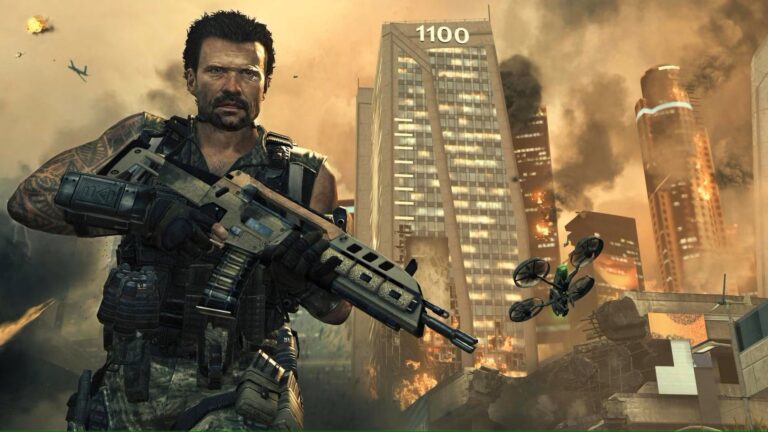
In July 2026, Activision ported Call of Duty: Black Ops and Call of Duty: Black Ops 2 to PlayStation 4 and PlayStation 5, pricing each at $40. The publisher did not include any of the games’ paid downloadable content with the releases. From a content perspective, the offering appeared minimal: two decade-old titles with no new features, assets, or additions for a consumer base already familiar with these games from their original launches. Yet that straightforward packaging did not discourage players.
Climbing the Sales Charts
Despite their modest scope, both rereleases entered the Circana US Top 10 for weekly active users immediately after launch. The commercial performance suggests both titles will rank among the best-selling games of 2026 overall. Neither game required any development work to be generated anew; Activision essentially ported existing code to new hardware and charged players a standard retail price. The rapid adoption indicates players valued access to these specific experiences over contemporary Call of Duty offerings, a signal about what audiences currently seek in the franchise.
The Developer Who Built Them Speaks Out
Gavin Goslin’s Place in the Games’ History
Gavin Goslin spent 15 years at Treyarch, the studio that developed both Black Ops games, working as a level designer and artist. His role placed him at the center of the original development efforts that produced the titles now being resold. His direct involvement in crafting these games gives weight to observations he shared publicly about watching their rereleases dominate sales charts in 2026.
The Original Development Grind
On LinkedIn, Goslin described the original development process in stark terms. He stated that he and his team members spent “countless, brutal hours in crunch” to ensure both games met quality standards. The phrase captures a common experience in game development: extended periods of intensive work, often unpaid overtime, demanded to meet release deadlines or quality thresholds. Goslin characterized the experience as having poured his life into the projects, framing the work not as a job but as an investment of personal effort and sacrifice.
Watching Success Without Sharing It
Goslin acknowledged mixed feelings about the rereleases’ success. He said seeing work completed over a decade ago still dominating charts in 2026 is “amazing,” yet he also called the situation “bittersweet.” His reservation stems from a disconnect between the visible success of the games and who benefits from that success. While Goslin’s work remains the foundation of these bestselling titles, the financial gains flow elsewhere. Game executives receive “massive bonuses” tied to the performance of rereleases, Goslin explained, yet the people who built the original games receive nothing.

The Absence of Residuals in Game Development
Why Rereleases Don’t Pay Creators
Goslin’s central frustration concerns the gap between commercial success and creator compensation. He stated that “suits” at Activision and Microsoft rake in “giant financial windfalls from our old code while the actual creators don’t see a dime of it.” This arrangement occurs because the video game industry, unlike film and television, has no established residuals system. Developers who labored for years on a title cannot expect ongoing payments when that work continues generating revenue.
The Hollywood Comparison
In the film and television industries, creators and performers receive residual payments when their work is rebroadcast, streamed, or otherwise exploited commercially after initial release. Hollywood also uses union-controlled accounts that ensure creators receive a share of ancillary revenues. Goslin pointed to this model as a contrast to the game industry’s approach. He argued that “legacy revenue should mean legacy rewards for the devs who survived the crunch to build them,” advocating for a system where rereleases of classic titles result in compensation flowing back to the original creators.
A Wider Labor Movement
The friction Goslin highlighted connects to larger labor movements within game development. According to reporting from Kotaku, a game industry union has spent over two years attempting to negotiate its first contract. That effort reflects broader frustration about compensation, crunch practices, and the distribution of profits in a sector where individual creators’ work generates massive corporate revenue. The success of Black Ops rereleases illustrates concretely why such negotiations matter: a publisher can resell two-decade-old products with minimal new investment and generate millions, yet the original development team shares none of that windfall.
Implications for Future Rereleases
The Black Ops rereleases demonstrate the scale of revenue involved in re-releasing legacy titles. Both games entered the Circana US Top 10 immediately upon release, suggesting each will rank among 2026’s best-selling games despite offering no new content beyond a port to current hardware. This level of commercial performance emerged entirely from existing code and existing games, requiring no new development from Goslin or the original Treyarch team.
Goslin’s statements about deserving compensation for ongoing revenue from these titles have circulated within an industry context where such conversations are increasingly common. The case of Black Ops provides a concrete example of the stakes in ongoing union negotiations: legacy games generating substantial current revenue with no mechanism for original creators to share in those profits.
Source: Kotaku
Frequently Asked Questions
Why did the Black Ops rereleases sell so well despite having no new content?
Players sought the faster-paced gameplay of earlier Call of Duty games and preferred these experiences to contemporary entries in the franchise. Both rereleases immediately entered the Circana US Top 10 for weekly active users, indicating strong player demand for these older titles.
Who is Gavin Goslin and why does his criticism matter?
Goslin spent 15 years at Treyarch working as a level designer and artist on both original Black Ops games. His tenure and direct role in creating these titles give credibility to his observations about the games' ongoing commercial success and the lack of compensation for developers.
How do residuals work differently in film and television compared to games?
In film and television, creators receive ongoing payments when their work is rebroadcast, streamed, or otherwise exploited commercially. These industries use union-controlled accounts to distribute residuals to performers, writers, and contributors. The game industry has no equivalent system, so developers receive no payments when their games are re-released.
