

Key takeaways
- Tenebris Somnia uses live-action as atmospheric punctuation rather than primary storytelling, rendering supernatural creatures with photorealistic impact.
- The game combines exploration-based progression with psychological horror techniques like misdirection, proving scares work better through technique than graphic violence.
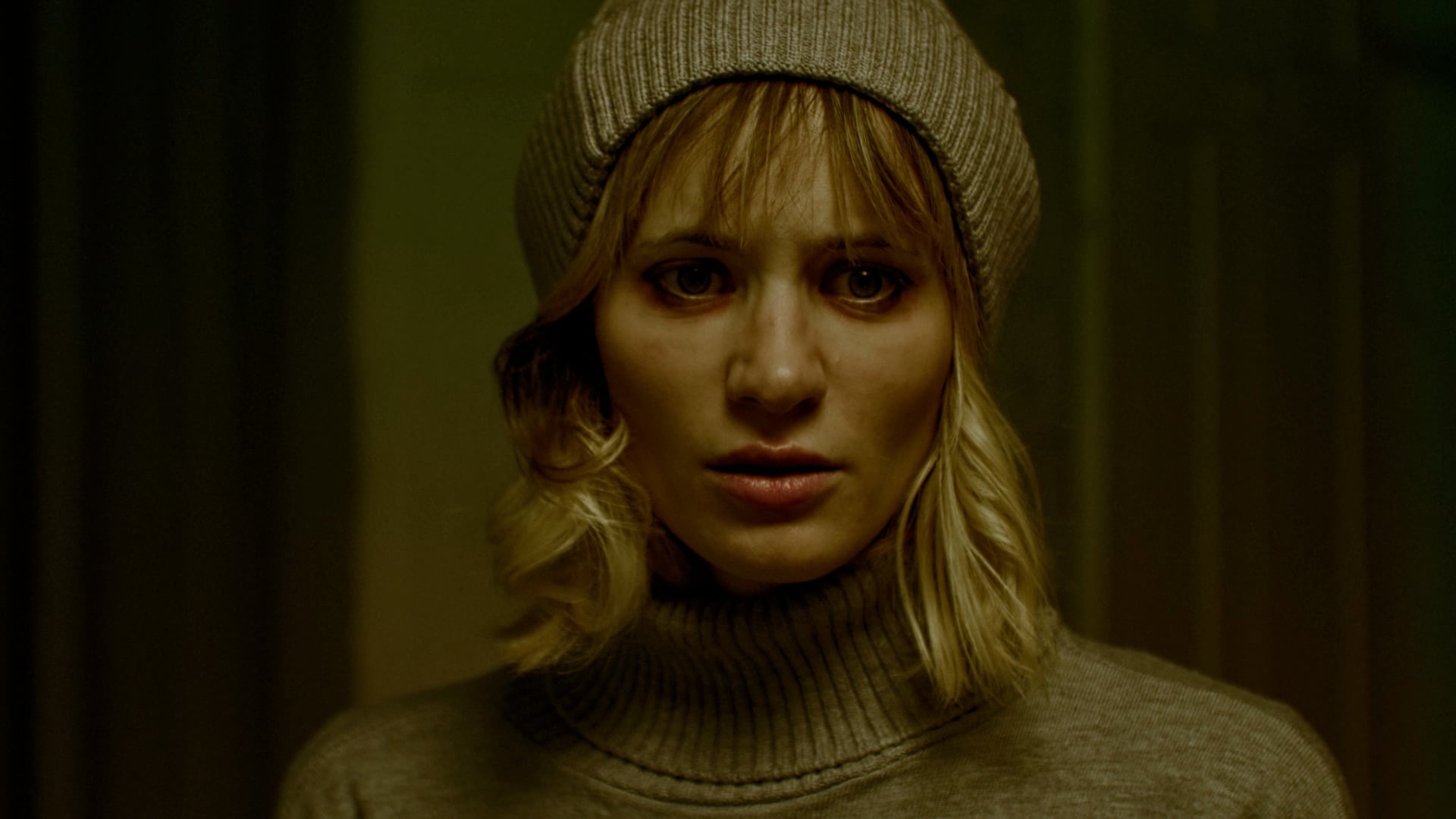
- A portrait-based health system creates visual continuity between gameplay and cutscenes, showing Julia's increasing exhaustion as damage accumulates.
- Combat emphasizes close-quarters melee weapons and punishing difficulty with no auto-saves, making careful resource management essential to survival.
Tenebris Somnia centers on Julia’s nightmarish ordeal following her decision to revisit the apartment she once shared with her ex-boyfriend. Her arrival reveals signs of profound disturbance: shattered objects, destroyed possessions, and ominous symbols adorning the doorways. The true horror becomes clear when she discovers he has been claimed by demonic forces seeking to reclaim physical form through him. Her exploration of the building transforms into an act of supernatural confrontation.
A Hybrid Approach to Live-Action Horror
Visual Rendering in Cutscenes
The game integrates filmed sequences into its gameplay, though not as its primary storytelling mechanism. Unlike Night Trap, which built itself around live-action performance, Tenebris Somnia uses such sequences as occasional supplements to the interactive experience. According to Kotaku’s experience, the live-action elements prove especially effective when depicting the game’s creatures. One particularly memorable adversary appears as a figure with candle wax that has melted and hardened across their face and head. Viewing this creation in photorealistic form creates an immediate visceral reaction that rendering alone might not achieve.
Health Reflected in Appearances
The design elegantly connects mechanical systems with visual storytelling. Julia’s health status appears as a portrait displayed during gameplay that progressively darkens to indicate damage accumulation. This same portrait also features within the live-action cutscenes, where Julia’s appearance shifts alongside her health condition. Early in the game, she appears alert and composed. As damage accumulates, the cutscenes show her expression growing weary, shadows developing beneath her eyes, and her overall demeanor becoming increasingly strained. This continuity between gameplay state and cinematic presentation reinforces the narrative’s progression.
Surprise and Reward Through Timing
Kotaku noted that cutscenes appear at unpredictable intervals, which creates an interesting psychological effect. Rather than appearing predictably after story beats or level transitions, they arrive unexpectedly, lending each appearance an element of surprise. When one does occur, it functions not merely as exposition but as a reward recognizing player achievement, though a reward that carries immediate fear rather than satisfaction.
Progression Through Memory
The apartment building operates as a vertical exploration space with distinct sections corresponding to different chapters of Julia’s relationship. This structure resembles games in the metroidvania category, with each floor representing a specific memory that must be confronted and overcome. One memorable section recreates a screening event where Julia and her boyfriend once presented their own short film to an audience. The contents of that film contain information necessary to solving puzzles blocking further advancement. The puzzle design occupies a middle ground: solutions require logical thinking and creative object use, but the game provides sufficient guidance through hints that progression never becomes an exercise in frustration.
Combat Favors Close Quarters
Weapon Effectiveness
Kotaku’s testing revealed that while the game offers multiple weapons, melee options prove far more satisfying than ranged alternatives. A lead pipe, in particular, handles most encounters with greater effectiveness than the revolver available in the arsenal. Despite the firearm’s utility against certain enemy types, the physical impact of swinging a close-range weapon creates a more tactile experience throughout combat encounters.
Difficulty and Resource Management
Enemies deal substantial damage, and healing items remain limited throughout the journey. The game lacks automatic checkpoints, meaning careless decisions or bad luck during ambushes can erase significant progress. According to Kotaku’s experience, this dynamic creates tension around combat encounters and emphasizes the importance of regular manual saves. The lack of forgiving mechanics keeps players constantly aware of danger.
Horror Through Technique
Misdirection as Terror
Kotaku’s reviewer experienced an effective scare through deliberate misdirection, a technique borrowed directly from horror cinema. The setup primed expectations for danger arriving from one direction, a jump scare approaching from the front. The actual threat came from behind, exploiting the player’s false sense of security. This moment caused such a genuine reaction that it startled the reviewer’s pet, demonstrating how psychological manipulation can produce more impact than graphic imagery.
Atmosphere Over Excess
The game distinguishes itself through its approach to fear generation. Modern horror games increasingly rely on extreme violence or hyper-realistic depictions of gore and bodily degradation. Tenebris Somnia instead builds dread through atmosphere and technique, creating a horror experience for audiences who seek genuine fear without accompanying disgust. This design philosophy acknowledges that scares do not require explicitness or brutality to land effectively.
Creative Collaboration
Tenebris Somnia emerges from a partnership between game developers and an award-winning film production team from Argentina. This collaboration evidently shaped the game’s approach to visual storytelling and tension building, blending interactive design sensibilities with cinematic technique. The influence appears throughout in how scenes unfold and how camera work and editing guide player attention during both gameplay and cutscenes.
Estimated Scope and Audience
Based on Kotaku’s approximately three hours of play, the full experience should require somewhere in the neighborhood of ten hours to complete. This duration positions the game as substantial but focused, lengthy enough for deep engagement without demanding indefinite playtime from players. For those fatigued by contemporary horror games’ emphasis on shock imagery and graphic content, Tenebris Somnia provides a refreshing alternative that prioritizes psychological unease and technical horror craft.
Frequently Asked Questions
How long does it take to complete Tenebris Somnia?
According to Kotaku's estimate after three hours of gameplay, the full experience should require approximately ten hours to complete.
Why is Tenebris Somnia's live-action approach different from Night Trap?
Rather than making live-action performance the centerpiece, Tenebris Somnia uses filmed sequences as occasional atmospheric moments integrated with interactive gameplay.
What is the game's philosophy toward horror?
Tenebris Somnia prioritizes psychological fear and atmospheric dread over graphic violence and gore, seeking to scare players without disgusting them.
