
Key takeaways
- Phantom Blade Zero launches October 28 on PS5, Xbox Series X/S, and PC with an 88 Metacritic score and praise for exceptionally well-tuned combat and brilliant weapon design.
- The game's 30 collectible weapons, each with unique movesets and abilities, sustain gameplay variety throughout the 30-35 hour campaign.
- S-Game's debut AAA successfully synthesizes influences from Devil May Cry, Elden Ring, and Sekiro while establishing its own identity within the action-game genre.
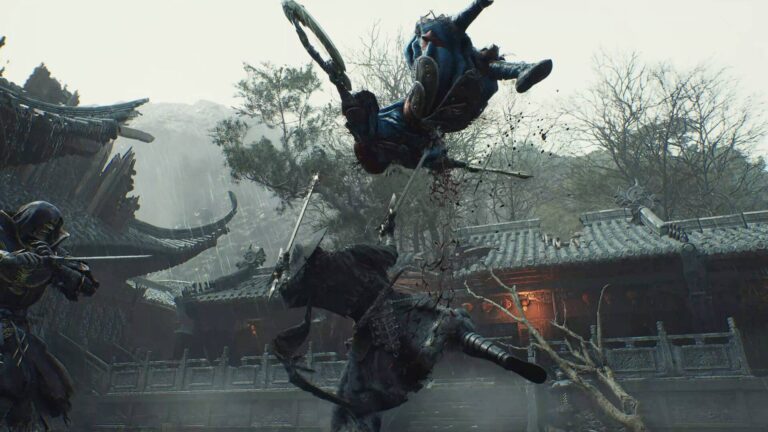
After first appearing at the May 2023 PlayStation Showcase, Phantom Blade Zero launches October 28 across PlayStation 5, Xbox Series X/S, and PC. S-Game’s debut triple-A title, a “kungfupunk” action-RPG, arrives following three years of player anticipation. Early reviews indicate the wait has yielded a substantive experience, with the game currently holding an 88 on Metacritic. Some critics are calling it among the finest action games of 2026, though that score may shift as additional reviews arrive.
The Weapon Arsenal
The mechanical foundation of Phantom Blade Zero centers on its approach to combat tools. The arsenal comprises 30 collectible and upgradable weapons, with players equipping two simultaneously. This dual-weapon setup creates strategic depth beyond simple numerical progression. Each weapon carries a distinct moveset and functionality, transforming weapon selection into a character-building choice rather than a gear check.
According to Game Informer, the design treats weapons as characters themselves. Wesley LeBlanc wrote, “Every weapon is wholly unique, like picking up a new character in a fighting game, each with its own moveset and abilities.” This philosophy sustains combat variety across extended playthroughs, preventing the repetition common to games relying on slight variations of identical attack patterns.
Combat System and Difficulty
Dodge and Parry Mechanics
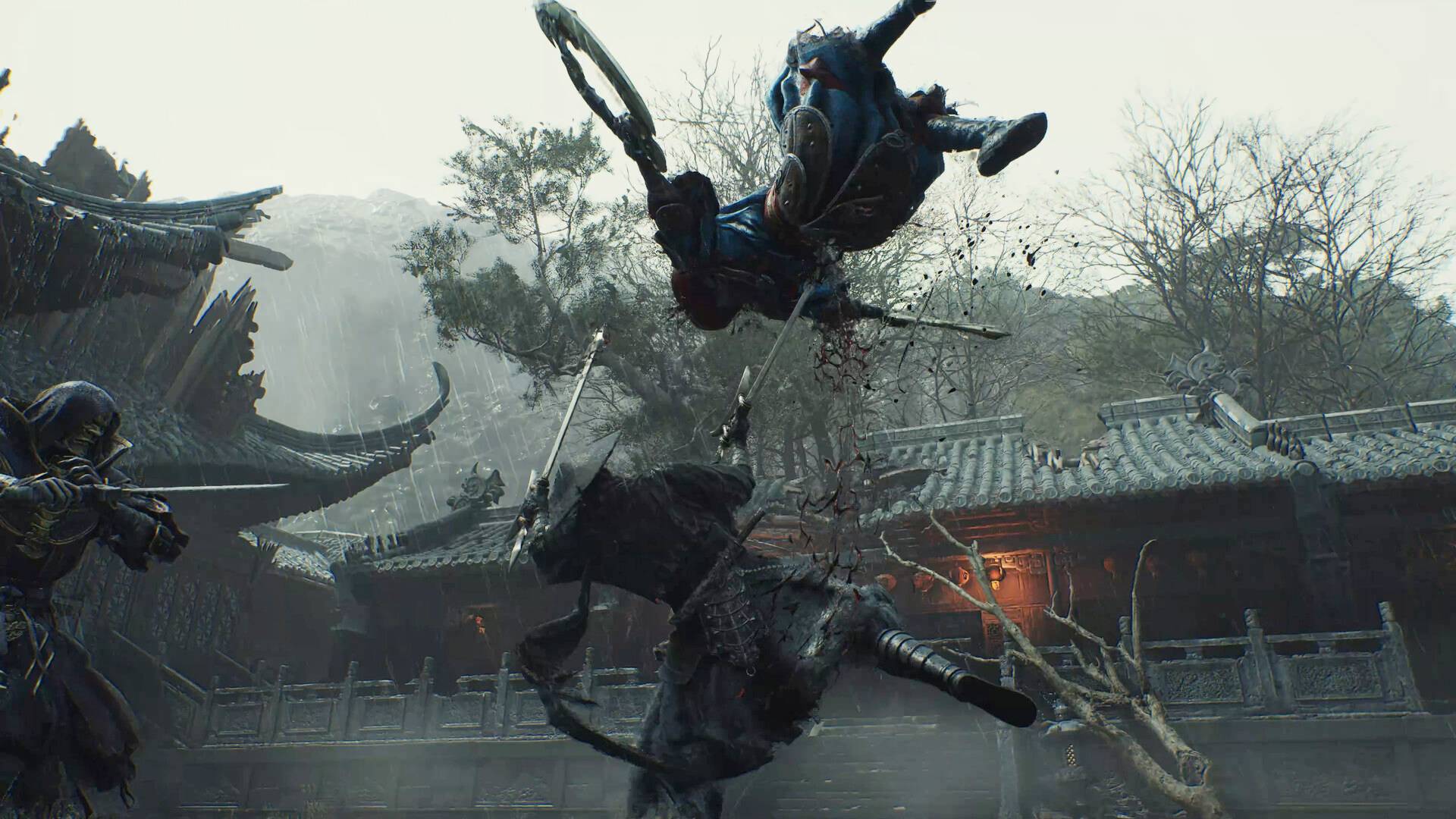
Phantom Blade Zero’s combat revolves around defensive precision and active blocking. Red attacks require dodging, while blue attacks demand parrying. Successfully executing a parry breaks an enemy’s guard, opening windows for the player’s most devastating counterattacks. This foundational loop structures all encounters, from standard enemies through multi-stage boss fights.
The dodge-and-parry framework draws comparison to FromSoftware’s Sekiro: Shadows Die Twice without copying it wholesale. According to reviews, the gameplay plays out “like high-octane Sekiro,” comparable stylistically but divergent in execution. Players unfamiliar with active blocking and evasion systems may find the game incompatible with their preferences, yet those accustomed to this style discover substantial depth.
Tuning and Difficulty Balance
The difficulty curve received particular praise for its balance. According to IGN’s Travis Northup, the combat feels “exceptionally well tuned,” striking a middle ground between punishing and trivializing. Northup’s own experience on the highest difficulty illustrated this design philosophy: most major bosses fell within two to three attempts, with several defeated on the first try. Rather than view this as unsatisfying, he found it compelling, since bosses posed genuine threat without demanding frame-perfect execution.
Boss Design and Checkpoints
Boss encounters incorporate multi-stage structures with checkpoint systems reminiscent of souls-like design. Some critics noted the game occasionally leans toward leniency, particularly through checkpoint placement within lengthy battles. These design choices shape a more forgiving difficulty curve than some genre stalwarts, though combat demands remain present throughout encounters. The approach rewards player skill while maintaining forward momentum, preventing the hours-long boss-fight repetitions that frustrate some action-game players.
World and Narrative
The game establishes its fiction within a setting where warriors undergo cybernetic enhancement and master manipulation of Sha-Chi, a mystical energy integral to the world’s power structure. The narrative explores themes of betrayal and revenge along a relatively conventional story framework. Review embargoes prevented critics from detailing narrative specifics, though the overall impression emerged as competent rather than transformative.
The story provides context and thematic weight rather than serving as the primary draw. World building received positive attention, with critics finding a sincere approach compelling even when the plot followed familiar patterns. A single playthrough extends 30 to 35 hours depending on engagement with side content and secrets. Post-story engagement remains high, with substantial unexplored regions and secrets encouraging continued play beyond the critical path.
Visual Presentation and Technical Achievement
The game’s presentation draws from martial-arts cinema while maintaining cyberpunk aesthetics. According to reviews, every combat moment carries the visual language of Chinese martial-arts films, with characters executing moves that shouldn’t be feasible within third-person game conventions, yet feeling mechanically grounded. S-Game achieved this using Unreal Engine, creating what critics described as one of the finest-looking Unreal Engine games to date.
A substantial pre-release patch addressed technical concerns documented in earlier builds, reportedly improving issues including glitchy level geometry and framerate problems. However, reviewers acknowledged remaining polish deficits that prevent the game from reaching the absolute peak of its genre, though they noted the highest moments reach exceptional quality.
S-Game’s Debut and Industry Context
This marks S-Game’s first triple-A release, following a career focused on mobile and smaller-scale projects. This context elevates critical reception significantly. Critics emphasized the significance of a debut studio delivering this quality of action game. The studio studied the genre deliberately, analyzing what works in Devil May Cry, Elden Ring, Sekiro: Shadows Die Twice, Bayonetta, and other action classics to create something distinct.
According to reviews, Phantom Blade Zero stands stronger than Black Myth: Wukong, another prominent action title that captured mainstream attention. Critics also emphasized that S-Game has crafted one of the best-looking Unreal Engine games while delivering mechanical excellence. The consensus suggests S-Game has delivered a debut that will command attention from action-game enthusiasts, with reviewers expressing interest in watching the studio’s future projects.
Source: Kotaku
Frequently Asked Questions
When does Phantom Blade Zero release and on which platforms?
Phantom Blade Zero launches October 28 on PlayStation 5, Xbox Series X/S, and PC.
How many weapons does Phantom Blade Zero include and how do they work?
The game features 30 collectible and upgradable weapons. Players equip two weapons simultaneously, and each weapon carries its own unique moveset and abilities, similar to picking a character in a fighting game.
What is S-Game, and is this their first major game?
S-Game is a Chinese studio making its debut triple-A release with Phantom Blade Zero. The studio previously focused on mobile and smaller-scale games before undertaking this "kungfupunk" action-RPG.
