

Key takeaways
- Castlevania: Belmont's Curse starts with manageable challenges but hits an abrupt difficulty spike during the Builder boss's backwards platforming section.
- Kotaku's hands-on preview found that the backwards platforming chase combines punishing piston timing with a brutal timer and zero difficulty scaling options.
- The game offers difficulty adjustments for combat but provides no scaling for platforming sections, limiting accessibility for players who struggle with precise timing.
- Early exploration can trigger a bad ending if you face Dracula unprepared, suggesting multiple ending paths exist in the Castlevania tradition.
Castlevania: Belmont’s Curse occupies an uncomfortable space in gaming history: a beautiful, colorful adaptation that echoes the structure of Westwood Studios’ The Lion King on SNES. Both games begin by gently introducing their systems through accessible challenges, then betray that trust with difficulty spikes designed to frustrate rather than challenge. Kotaku’s hands-on experience with Evil Empire’s action platformer reveals that this pattern hasn’t improved with age.
A Familiar Trap
The Lion King opened with baby Simba roaring, jumping, and pouncing across Pride Rock. Death pits appeared intermittently, but nothing overwhelming. This tutorial level created a false sense of security. Players had no idea they were about to experience one of the most brutally difficult licensed games ever released. The opening never prepared you for the absolute hell waiting in later stages.
Belmont’s Curse mirrors this exact trap. Kotaku’s reviewer found the opening hours challenging as Rose Belmont explored the burning streets and sewers of Paris. Nothing required abilities beyond patient practice. Early platforming was manageable, combat was fair, and progression felt rewarding. For a while, the game was genuinely good. Then everything changed.
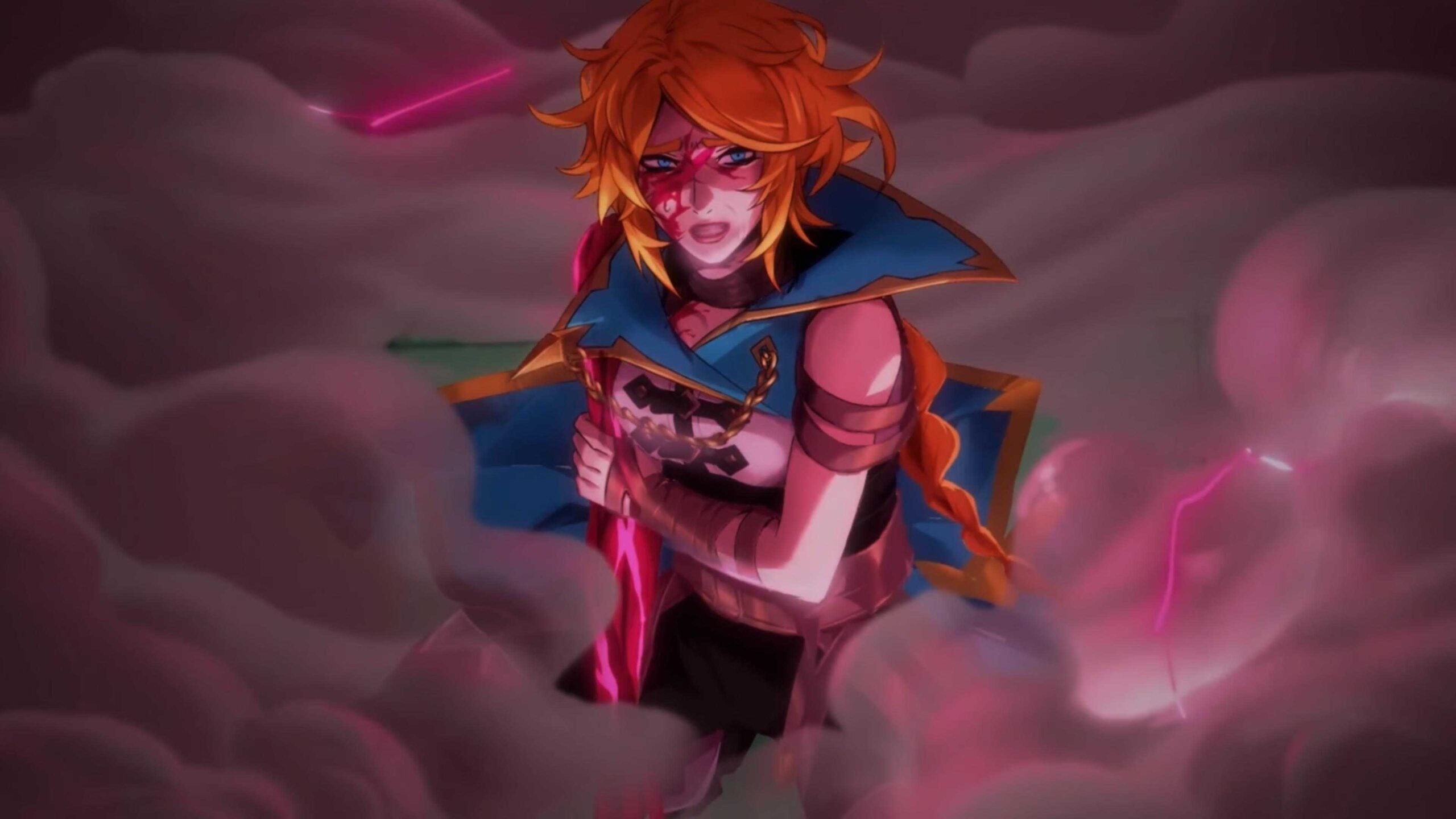
Rose Belmont Steps Into Paris
The Setup
You play as Rose Belmont, child of Sypha and Trevor, summoned to Paris with her father at the behest of a priest seeking help against supernatural horrors plaguing the city. Starting as Rose instead of her more famous father means starting from zero. No holy water, no cross, not even the family’s legendary chain whip. You begin with a single sword and are expected to assemble your arsenal of weapons and abilities through exploration and investigation.
The Mystery System
The game frames your progress around mystery-solving. Throughout each area, Rose encounters ghosts and statuesque watchers who provide clues about bosses and their locations. These aren’t optional hints; the game insists they are essential information you absolutely need to find bosses and open paths to them. When Kotaku’s reviewer heard that a boss called the Builder had fled to the clocktower, they navigated to what appeared to be the clocktower (a large clock was visible behind them) expecting a straightforward encounter. Instead, they had stumbled directly onto Dracula himself.
The Bad Ending Trap
Unprepared to face Dracula, the reviewer immediately triggered the bad ending and watched credits roll without warning. The game permits heading to the endgame at any point, which is mechanically neat but practically punishing. Without knowing exactly how much stronger Rose needs to become, reckless exploration leads directly to conclusion. The existence of a bad ending strongly implies a true ending exists as well, and if Evil Empire did their homework with Castlevania lore, a proper ending path lies somewhere in the game’s later stages.
When the Builder Fights Back
Three Phases of Escalating Difficulty
After restarting, Kotaku’s reviewer asked for help from a colleague also playing for review. With guidance back on track, locating the actual Builder became straightforward. The fight itself proved surprisingly simple. After three opening bosses each difficult in distinct ways, fighting the Builder felt like a relief. Difficulty escalated at specific HP thresholds.
The Forward Chase
When the Builder’s health dropped, he fled into narrow corridors lined with pistons that fell from above or shot horizontally from screen edges. These pistons hung suspended above spike pits with collapsing platforms, demanding both speed and precision to navigate. The reviewer made it through this section cleanly and reached a second boss room where combat proceeded as smoothly as the first phase.
The Backwards Gauntlet
At another HP threshold, the Builder fled again. This time they had to chase backwards through the platforming gauntlet they’d just conquered. Going backwards proved exponentially harder than going forward. Pistons shot from the screen with such speed that timing calculations felt impossible. The brutal timer continues to run regardless, and running out of time causes the entire area to explode and kill you.
The reviewer found this moment demoralizing in a way distinct from traditional difficult games. In a soulslike, players can abandon a fight and spend hours becoming more powerful elsewhere. Here, progression is completely blocked until this specific section is mastered, with no alternative path forward.
Difficulty Settings With a Glaring Gap
Game difficulty settings exist to turn off death or reduce enemy damage, but these adjustments apply only to combat sections. No options exist to scale platforming difficulty. During their second boss attempt, Kotaku’s reviewer disabled death entirely to practice the backwards platforming section before triggering the second phase. It made no difference. The reviewer considered whether a break might help, whether Evil Empire planned to patch in an easier version, or whether a YouTube solution existed from someone with superior reflexes.
The accessibility gap is striking. The game acknowledges that combat difficulty deserves scaling and provides multiple options for players with different skill levels and abilities. Yet platforming sections, which have now emerged as the primary barrier to progression, have zero difficulty adjustments available. This is particularly jarring given how carefully the early game teaches its mechanics through manageable, appropriately-scaled challenges.
Designs Meant for a Forgotten Market
The Lion King’s extreme difficulty had a clear financial reason. Westwood Studios intentionally designed it to be brutally hard so it would require longer than a Blockbuster rental period to beat, ensuring rentals would need to be paid for multiple times. We don’t rent games anymore, or at least not in that way. This level of punishment without accommodation or scaling options feels designed for a market that no longer exists. Evil Empire has created a game that charms and welcomes players through its opening hours, then suddenly demands perfection without providing any tools to build toward mastery.
Source: Kotaku
Frequently Asked Questions
Can you adjust difficulty settings in Castlevania: Belmont's Curse?
Yes, but only for combat. Settings allow turning off death or reducing enemy damage. There are no difficulty adjustments for platforming sections, according to Kotaku's preview.
What happens if you reach Dracula too early in Castlevania: Belmont's Curse?
The game immediately ends and plays credits. Kotaku's reviewer accidentally triggered this bad ending when exploring to what they thought was the clocktower but was actually Dracula's location.
Who do you play as in Castlevania: Belmont's Curse?
You play as Rose Belmont, child of Sypha and Trevor, who is summoned to Paris with her father to fight supernatural horrors plaguing the city.
