
Key takeaways
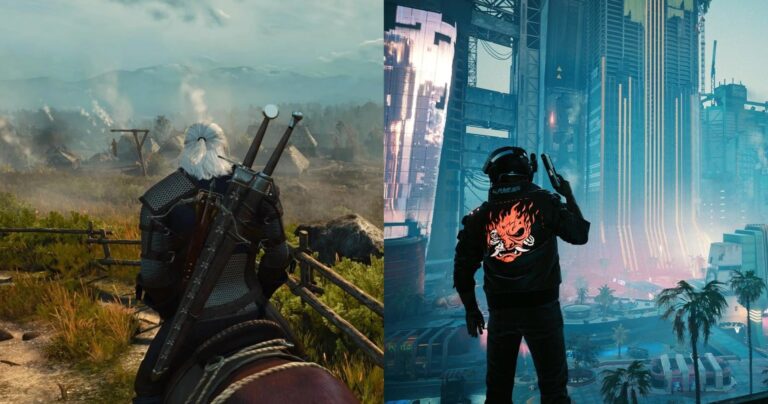
- CD Projekt Red treats the remaster as a 2.0 overhaul of core systems, not visual polish, applying design principles learned from Cyberpunk 2077.
- The redesign targets exploration, Geralt's movement controls, and finishing moves—three gameplay pillars criticized since the 2015 release.
- Combat shifts from passive abilities shared across builds to active moves with synergies; October's free upgrade preserves save files while introducing these changes.
The Witcher 3 is receiving far more than a visual refresh. CD Projekt Red’s upcoming remaster represents a fundamental redesign of the 2015 RPG, with studio leadership framing it as a complete system overhaul rather than a conventional enhancement. In an interview at Gamescom 2026, Pawel Sasko explained the project’s true scope and the methodology driving these changes.
“When you look at The Witcher 3 and the opinions of players and press, gameplay is what was criticized most—it’s the aspect that is most outdated,” Sasko told Kotaku. “That’s the main thing we wanted to fix.”
This focus on core systems represents a deliberate choice. The remaster will preserve save files, trophies, and achievements, eliminating the friction players typically face when revisiting an updated game. Alongside gameplay fixes, the team has tweaked everything from horseback riding to photo mode, with dozens of new features integrating throughout the experience.
The Three Gameplay Pillars Under Revision
The decision to prioritize gameplay improvements stems from consistent player feedback and critical consensus. Over more than a decade since the original release, discussion around The Witcher 3 rarely centered on its visuals—a strength that remained competitive even as console generations advanced. Instead, critics and fans repeatedly identified the same weak points across three distinct areas of the play experience.
“We analyzed what annoyed people most,” Sasko explained. “That has all been addressed, and it makes the biggest difference in how the game feels to play.”
Exploration Mechanics
The first target involves how players move through the world and discover content. Exploration systems that felt inefficient in 2015 have aged poorly relative to modern standards, where player time and engagement rank among the highest design priorities. The remaster addresses this dimension specifically.
Movement and Controls
The second area involves Geralt’s responsiveness during navigation and combat. Movement control represents the foundation of every action players perform—how the character pivots, attacks, and reacts to player input. Lacked precision in the original became increasingly apparent as players benchmarked The Witcher 3 against games released with more responsive control schemes.
Finishing Moves
The third pillar encompasses the spectacle and finality of combat. Finishing moves—powerful animations that conclude major enemy encounters—add both visual satisfaction and mechanical closure. Their absence meant encounters could feel anticlimactic, with enemies sometimes expiring without the ceremony their defeat deserved.
Learning from Cyberpunk’s 2.0 Transformation
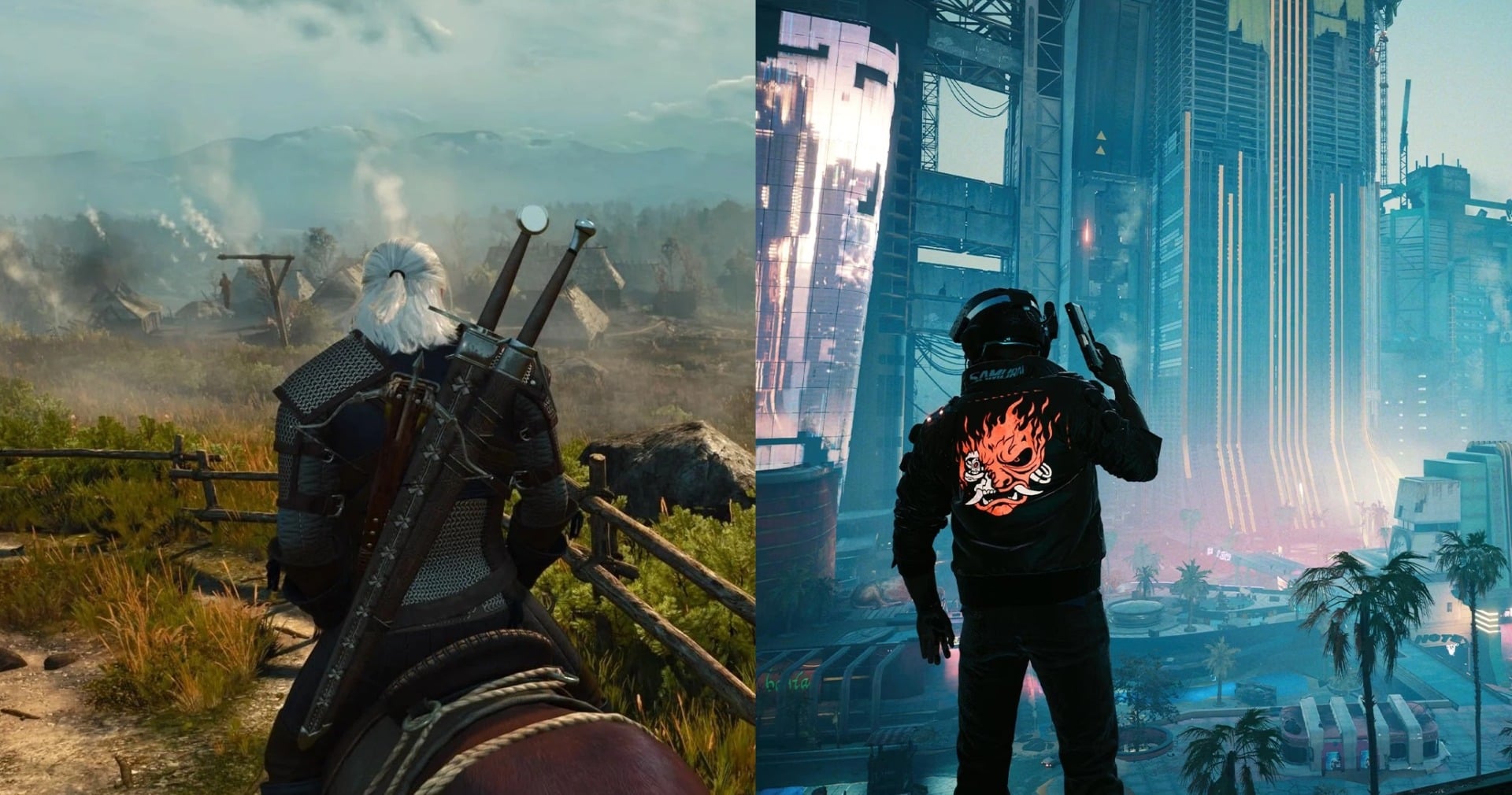
The remaster’s design philosophy draws directly from CD Projekt Red’s work on Cyberpunk 2077’s transformative 2.0 update. That overhaul demonstrated how comprehensive system redesigns could fundamentally alter a game’s reception—not through cosmetic changes, but through streamlining clunky mechanics and making core interactions more engaging.
The studio applied this lesson to The Witcher 3 by extracting design principles from Cyberpunk’s RedEngine 4 implementation and adapting them to the older RedEngine 3 architecture. This cross-engine methodology reveals the scope of CD Projekt Red’s ambition.
“When we think about this remaster, it’s almost like a 2.0 overhaul,” Sasko stated. “We applied the same design principles to RedEngine 3 that we learned from RedEngine 4 on Cyberpunk.”
The contrast with The Witcher 3’s previous major update is instructive. That enhancement focused almost entirely on visual improvements—enhancing textures and performance to capitalize on more powerful console hardware. The remaster inverts this priority: gameplay systems receive the intensive redesign, while visual enhancements support rather than lead the effort.
Combat: From Passive to Active
The combat system underwent the most extensive overhaul. In the original game, different builds shared too many passive abilities, meaning players experienced minimal moment-to-moment decision-making. A warrior build and a spellcaster build both accumulated passive stat bonuses without creating distinctly different play experiences during actual combat.
The remaster shifts this balance toward active abilities that provide immediate feedback. “In the base game, different builds shared too many passive skills,” Sasko pointed out. “Now, we’ve added many more active abilities rather than just passives, making the combat much more interactive. You will feel your choices immediately in combat with new moves and synergies.”
New Tools and Weapon Systems
Beyond active abilities, the remaster introduces new tools that expand combat options. Most notably, the iron chain becomes an available weapon. This choice carries significance beyond mechanics: the chain appears multiple times throughout The Witcher book series and featured in the original Witcher 1’s opening CGI cinematic sequence. Bringing this element into active gameplay represents both a callback to the franchise’s roots and a practical combat addition.
“The chain was mentioned multiple times in the books and was featured in famous scenes like the Witcher 1 CGI intro, so I’m glad we can finally bring that dynamic element into the combat,” Sasko said.
Combat Synergies and Build Identity
The new move sets are designed to create synergies—interactions where combining abilities produces effects stronger than using them individually. This encourages players to build thematic loadouts and experiment with ability combinations, rewarding strategic thinking during actual combat encounters rather than only during character progression menus.
Release Schedule and Expansion Integration
Most enhancements arrive as part of a free upgrade in October, meaning existing players receive the overhauled systems without purchasing anything. This approach avoids forcing players to restart their experience while fundamentally changing how the game plays.
Alongside the remastered base game, the Songs of the Past expansion launches next year with new features designed to work within the revamped framework. This dual-release strategy mirrors how Cyberpunk 2077 bundled extensive free system improvements with the Phantom Liberty expansion, ensuring that paid new content launches alongside foundational enhancements rather than in isolation.
What “2.0 Overhaul” Means at CD Projekt Red
The terminology matters. CD Projekt Red uses “2.0 overhaul” to describe not a sequel but a systematic rebuilding of core systems informed by a decade of player feedback and the studio’s own design evolution. For Cyberpunk, that meant reworking gunplay, progression clarity, and character responsiveness. For The Witcher 3, the remaster targets exploration, character control, and combat feel with equivalent intensity.
The October release will demonstrate whether this philosophy successfully revitalizes a game that remains beloved despite its aging mechanics.
Frequently Asked Questions
What makes this remaster different from typical visual updates?
CD Projekt Red is redesigning core gameplay systems—exploration, character movement, and combat finishers—rather than focusing primarily on graphics. Studio leadership describes it as a 2.0 overhaul similar to Cyberpunk 2077's extensive 2.0 update.
What specific changes are coming to combat?
Different builds will have more active abilities rather than passive stat bonuses shared across builds, creating more interactive moment-to-moment combat. A new tool, the iron chain, will be added as a weapon option.
When is the remaster releasing and will it cost extra?
Most enhancements arrive as a free upgrade in October, preserving existing save files. The Songs of the Past expansion launches next year with new features designed for the overhauled framework.
