
Key takeaways
- Stardew Valley (1.4 update), Animal Crossing: New Horizons (3.0 update), Pokopia, and Fields of Mistria (1.0) have all recently implemented direct crafting from storage containers.
- Storage crafting eliminates the tedious inventory management loop that forces players to navigate multiple containers to gather materials for a single craft.
- Fields of Mistria sets the ideal standard by allowing unrestricted crafting from anywhere using any stored materials, while other games use partial solutions with location constraints.
- Developers increasingly recognize storage crafting as baseline functionality rather than a luxury feature, reshaping player expectations for future crafting-focused games.
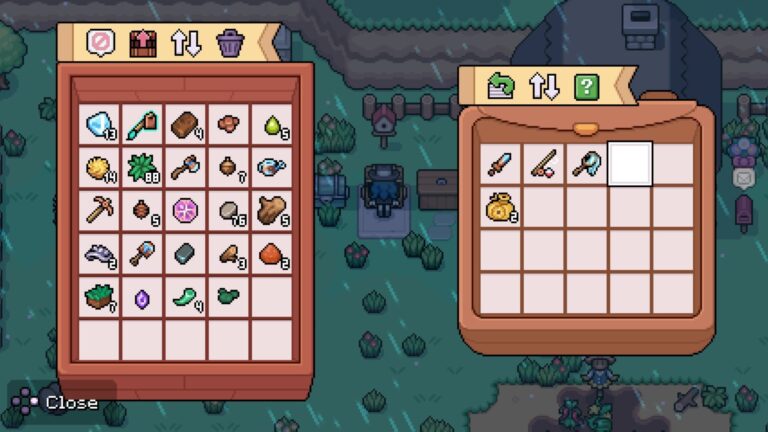
The endless quest through storage boxes remains one of gaming’s most tedious rituals. You know the ingredients you need exist somewhere in your collection—gathered hours or days ago. But which container holds them? That question sends you on an inventory odyssey, clicking through chest after chest, watching playtime evaporate as you manage rather than actually play. This frustration has plagued crafting-heavy games for years, but a fundamental shift is finally underway. Developers are recognizing that direct crafting from storage containers isn’t a luxury feature—it’s baseline functionality.
The problem itself is deceptively straightforward. Storage systems exist for logical reasons. No player wants their inventory overflowing with hundreds of materials simultaneously. But the gap between where materials sit and where you can actually use them creates a painful disconnect. Standing at a crafting station needing five different ingredient categories means solving an inventory puzzle rather than engaging with the craft system itself. You’re problem-solving a design friction that shouldn’t exist.
Consider what happens in practice. You need bait but the fishing supplies, minerals, and processed materials occupy separate containers. One trip becomes three. The mental load multiplies when juggling six or more storage boxes, each serving different categories. Games with hundreds of craftable items can transform half your playtime into a scavenger hunt rather than engaging gameplay. This proves particularly frustrating in relaxation-focused titles where tedium directly works against the intended experience.
How Major Franchises Perpetuated the Problem
For years, established franchises in the farming and cozy game space maintained this design pattern, forcing players to accept it as standard.
Stardew Valley’s Six-Year Limitation
Since its 2016 release, Stardew Valley required you to stand at a crafting station with only what fit in your 24-slot inventory. Materials stored in chests back home meant making the walk. This remained the experience until update 1.4, when developer ConcernedApe introduced the Workbench—allowing crafting from adjacent chests rather than inventory alone. This partial solution reduced trips but didn’t eliminate them. You still needed materials close enough to reach.
Animal Crossing’s Comprehensive Fix
Animal Crossing: New Horizons faced identical criticism throughout its lifecycle. The series’ charm never quite compensated for the friction inherent in accessing materials. Then in the 3.0 update released earlier this year, Nintendo delivered a comprehensive solution: both bulk crafting and the ability to craft directly from storage. The change proved transformative, converting a frequent annoyance into a non-issue.
Incremental Progress in Newer Titles
Pokopia implemented a constraint-based approach—you can craft from storage, but only from containers directly adjacent to your crafting table. The latest update introduced a universal storage container, reducing organizational burden without eliminating it entirely. Palworld received praise for straightforward access to storage materials during crafting, though discussion of this feature remains less prominent than responses to the major franchises.
Fields of Mistria Sets the Standard
When Fields of Mistria reached its full 1.0 release, it demonstrated the ideal implementation of storage-integrated crafting. The feature eliminates friction entirely: craft anywhere, anytime, using any materials you own regardless of physical storage location. The impacts ripple through the entire play experience.
The difference becomes immediately apparent during actual gameplay. Chopping trees in the forest and wanting to create decorative pieces at a crafting station doesn’t require mentally sorting which container holds your materials—they’re simply available. The 50 eggs needed for mill mayonnaise production don’t necessitate a dedicated hauling mission. Instead of planning trips around inventory constraints, you plan them around what you want to accomplish.
More subtly, Fields of Mistria’s approach enables spontaneous decisions. An evening at the inn with nothing planned? You can craft a Berry Scone behind the bar without considering whether ingredients occupy inventory or elsewhere. This seems minor until you recognize how many times games interrupt intended actions with inventory logistics. The restored agency matters, particularly in games designed to be stress-free experiences.

What This Shift Reveals About Game Design
These recent implementations signal a generational change in how developers approach storage and crafting mechanics. The older model assumed players wanted simulation and consequence. Modern developers increasingly recognize that inventory friction punishes players for engaging in activities the game encourages—gathering, collecting, and creating.
The games updating with this feature represent a spectrum, from partial solutions like Stardew Valley’s Workbench to comprehensive approaches like Fields of Mistria’s universal access. Each step forward points in the same direction: developers are concluding that accessing your own materials shouldn’t require solving a puzzle.
The Remaining Gap in Crafting Game Design
Despite these improvements, numerous crafting-heavy games still maintain the old system. Some reflects legacy code structures that would require substantial rebuilding. But many titles still in development will have the opportunity to learn from these examples.
The player consensus has crystallized: storage crafting isn’t a nice feature—it’s expected functionality. Games with dozens of craftable items especially need this. There’s no defensible reason to spend minutes navigating storage menus when developers could instead focus attention on the craft systems themselves.
How Standards Reshape Player Expectations
Fields of Mistria established a clear standard through its unrestricted approach. Animal Crossing demonstrated that even established franchises can implement this feature successfully at any point in their lifecycle. The message developers receive is unambiguous: accessibility to materials during crafting matters more than enforcing artificial scarcity or simulation.
Players now approach new crafting-based games with the expectation that this will be figured out. The games getting it right have already shaped expectations for those that haven’t caught up. Each title implementing storage crafting reinforces that this is how things should work, making it increasingly difficult for new releases to justify maintaining the old system.
Frequently Asked Questions
What update added crafting from storage to Stardew Valley?
Update 1.4 introduced the Workbench item, which allows crafting from adjacent chests rather than only from inventory. It's a partial solution that reduces trips but requires materials to be nearby.
How did Animal Crossing: New Horizons address the storage crafting problem?
The 3.0 update, released earlier this year, added both bulk crafting and the ability to craft directly from storage containers, providing a comprehensive fix to the frustration players experienced.
What makes Fields of Mistria's crafting system different from other games?
Fields of Mistria allows unrestricted crafting from anywhere anytime using any materials you own, regardless of which storage container holds them, eliminating the need to manage inventory logistics.
