
Key takeaways
- Sony's State of Play for Phantom Blade Zero was overwhelmed by protesters criticizing digital-only pre-orders, with coordinated "no disc, no buy" spam drowning out gameplay discussion.
- Physical media remains the majority preference outside North America: 58% in Germany, 55% in France, 51% in Japan, and 40-45% in the UK—far above the US's 15% disc sales.
- The PS6 is expected to launch as fully digital, advancing Sony's 2028 timeline for eliminating disc drives entirely from the PlayStation ecosystem.
- Digital-only distribution increases profit margins by eliminating resale markets and reducing manufacturing costs, but transfers all ownership control to the platform holder.
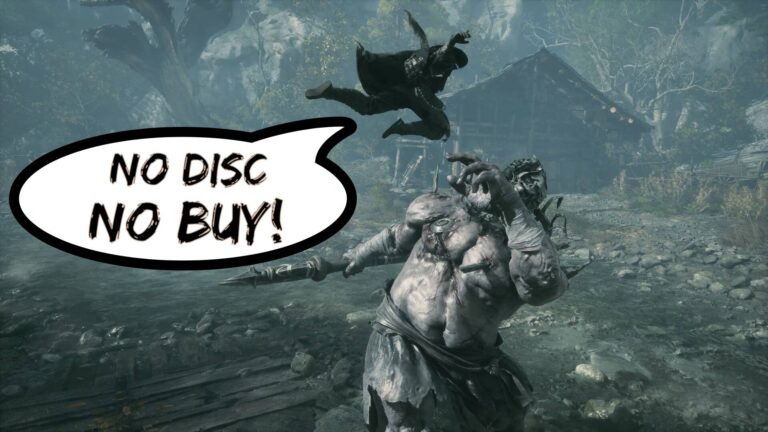
Sony’s decision to enable live chat during its State of Play presentation for Phantom Blade Zero created an unexpected spectacle. Within minutes, the comment section became a coordinated protest ground, with viewers flooding the stream with variations of a single complaint: “no disc, no buy.” The standardized message overwhelmed any substantive discussion about the upcoming action-RPG, transforming what should have been a focused showcase into a flashpoint for the industry’s ongoing battle over physical versus digital distribution.
The Showcase Chat Becomes a Battleground
The controversy centered on the revelation that Phantom Blade Zero, developed by Chinese studio S-Game, would launch on October 29, 2026 without any disc-based pre-order option. Players can reserve the title digitally only, raising questions about whether the final release might abandon physical media entirely. This development gains particular significance given Sony’s stated objective to eliminate disc drives from its ecosystem by 2028, a timeline that would force future PlayStation owners into total reliance on digital purchasing.
Live Chat Overwhelmed by Organized Protest
The sheer volume of coordinated messaging proved difficult to ignore. Footage captured during the stream showed comment sections completely consumed by disc-availability complaints, with legitimate gameplay discussion rendered essentially invisible beneath the avalanche of standardized posts. The protest’s scale suggested this response had become the default behavior whenever PlayStation announces new releases, transforming what might have been surprise outrage into ritualized criticism.
Attempts to Erase the Record Failed
Sony responded to the backlash by disabling the “Top chat replay” feature on the archived YouTube version, preventing future viewers from witnessing the original flood of complaints. The effort to sanitize the public record proved counterproductive. Viewers of the permanent upload have since added their own protests, with the most popular reply simply reading “Phantom Disc Zero.” This crowning quip has accumulated hundreds of variations, appearing trivial compared to earlier incidents where a Wolverine game trailer accumulated roughly 10,000 comments focused exclusively on disc availability. The pattern indicates that physical media advocacy has become the automatic response to any PlayStation promotional material.
Regional Purchasing Data Complicates the Narrative
Dismissing the protesters as representing only a fringe US-based faction becomes difficult when examining actual purchasing patterns across different markets. While only 15 percent of PlayStation games sell on physical discs in the United States, this statistic describes an extreme outlier rather than a global norm.
The US Represents Only One Market
American players have fully embraced digital distribution in ways that other regions have not. The 15-percent figure for disc-based purchases reflects genuine North American preference patterns, but it proves meaningless when applied universally. Players in other parts of the world operate in entirely different markets with entirely different purchasing behaviors.
Europe and Asia Show Strong Physical Preferences
Germany presents the most dramatic contrast to American trends. According to recent market analysis from the country, 58 percent of games are purchased on physical discs, making physical media the clear majority preference. France shows similarly robust demand at 55 percent of game sales occurring through disc purchases. Even within Sony’s home territory of Japan, physical media remained competitive at 51 percent when measured against Resident Evil Requiem’s release. The United Kingdom occupies a middle position, with 40 to 45 percent of games still sold in physical form. These figures suggest that eliminating physical media will disproportionately impact players outside North America, who will lose their preferred purchasing method without any meaningful voice in the decision-making process.
Sony’s Strategic Calculation Remains Unchanged
The company will not reverse course despite public backlash. The PS6, Sony’s next-generation console, will almost certainly ship as an entirely digital platform, and this direction appears locked into the company’s long-term vision regardless of controversy. From a pure corporate financial perspective, this strategy makes substantial sense, even as it erodes consumer autonomy.
The Economics of Digital-Only Distribution
Eliminating physical media production reduces manufacturing and logistics expenses considerably. More significantly for profit margins, it obliterates the used games market entirely. When players purchase physical media, they gain legal right to resell, trade, or gift those games—transactions that generate zero revenue for publishers. Digital licenses remain non-transferable, guaranteeing that every legitimate copy generates revenue exclusively for the rights holder. Industry analysts estimate the secondary market for physical media represents billions in annual revenue loss from the publisher perspective.
Ownership Versus Licensing
The trade-off involves surrendering fundamental consumer rights. Players who buy digital games never truly own them—they license temporary access that platforms can revoke through server shutdowns, storefront delistings, or account terminations. Physical media represents actual ownership, a distinction that gains importance as companies demonstrate increasing willingness to remove products from digital distribution. The shift from ownership to licensing concentrates power entirely within platform holder hands.
The Consolidation of Platform Power
This transition reflects a fundamental restructuring of the distribution chain. Retailers and resellers once functioned as necessary intermediaries, maintaining some negotiating leverage in the sales process. A completely digital marketplace eliminates these friction points, allowing platform holders to control pricing, availability, and access with minimal external constraints. Some analysts, including Jacob Navok, theorize that removing retail competition might actually increase prices rather than decrease them, though this remains speculative. What remains certain is that consumer backlash won’t alter established corporate strategy. Every social media complaint, every “no disc, no buy” declaration, and every regional purchasing statistic indicating strong physical media demand will be documented and ignored.
The Protest as Visible Discontent
The protesters achieve at least one outcome: ensuring frustration remains publicly visible. Whatever internal strategy documents reveal about future plans, public-facing platforms now consistently reflect consumer displeasure. Game announcements cannot be shared on social media without immediate criticism focused exclusively on distribution method. When thousands of comments emphasize disc availability rather than gameplay features or production quality, the announcement fails to generate intended promotional momentum. It represents a minor friction cost imposed through sheer volume and persistence. For players committed to maintaining physical media as viable distribution method, visibility of organized disagreement constitutes the only remaining leverage against corporate decisions appearing already finalized at executive levels.
Frequently Asked Questions
What is Phantom Blade Zero and when does it release?
Phantom Blade Zero is an action-RPG developed by Chinese studio S-Game, launching October 29, 2026. Pre-orders are currently available only in digital form with no announced physical disc version.
Why do protesters oppose digital-only releases if most US players buy digitally?
The US 15% disc adoption rate is an outlier. Germany (58%), France (55%), Japan (51%), and the UK (40-45%) all show physical media as majority or significant minority preference, meaning millions of players will lose their preferred purchasing method.
Will Sony change its digital-only plan due to the protests?
No. The upcoming PS6 is expected to be entirely digital, completing Sony's plan to eliminate disc drives by 2028. Financial incentives for publishers—eliminating used game sales and reducing manufacturing costs—make reversal unlikely regardless of public feedback.
