
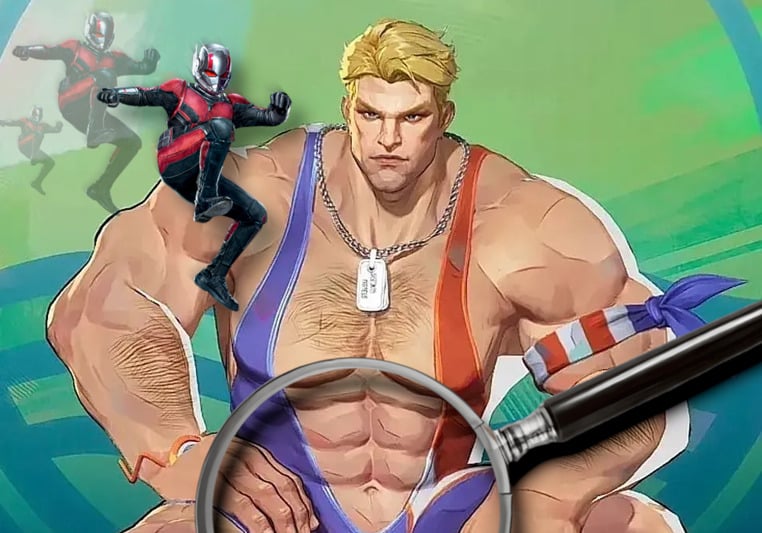
NetEase Games released a provocative Fourth of July swimsuit skin for Captain America in Marvel Rivals called “Seaside Sentinel,” featuring an exaggerated design that sparked immediate backlash from the game’s massive player base. The skin’s proportions so closely mirrored infamous 1990s comic book artwork that fans initially believed it was a fan-made mod rather than an official purchase item. The controversy has dominated community conversation and highlighted the tension between holiday-themed cosmetics and modern character design standards in one of gaming’s fastest-growing hero shooters.
The Controversial Skin That Broke the Internet
NetEase Games officially announced the “Seaside Sentinel” skin, which features Captain America in a “very, very tight mankini” complete with an “inflatable ducky shield” as part of a USA summer makeover. IGN confirmed that “the outfit and all of its contents are indeed very real and available to purchase through the Marvel Rivals store,” putting to rest speculation that the design was merely a community creation or joke. The skin arrived during the peak summer season when cosmetic releases typically drive engagement and revenue for free-to-play titles.
The design choice proved so extreme that it immediately drew comparisons to Rob Liefeld’s infamous Captain America artwork from the 1990s, when the legendary artist depicted the superhero with an absurdly exaggerated midsection. IGN reported that “Captain America is so bulky here that it looks almost like an accurate recreation of that infamous Rob Liefeld drawing,” while ComicBook.com noted that “Marvel Rivals fans hate the new July 4th Steve Rogers skin so much, it’s actually making another infamous design look good.” The backlash suggests that even in a game with 40 million players, certain design boundaries remain sacred to the community.
Why This Matters for Marvel Rivals’ Continued Success
Marvel Rivals achieved 20 million players within its first 10 days after launching on December 6, 2024, across PC, PlayStation 5, and Xbox Series X/S platforms developed and published by NetEase Games in collaboration with Marvel Games. The title doubled to 40 million players by February 2025 and claimed six times as many players as direct competitor Overwatch 2, establishing NetEase as a major force in the hero shooter market. Captain America serves as a Vanguard dive tank, the 25th hero added to a roster that currently features 51 characters from Marvel Comics, making his cosmetic options particularly visible to players who main the character.
The controversy arrives at a critical moment for the game’s monetization strategy, as cosmetic skins represent a primary revenue stream for free-to-play titles. NetEase’s full-year revenue in the gaming segment reached $11.5 billion in FY24, yet the company proceeded with layoffs of U.S. developers despite Marvel Rivals’ massive success, raising questions about how the studio balances aggressive cosmetic releases with long-term community trust. The “Seaside Sentinel” skin demonstrates that NetEase is willing to push creative boundaries for holiday events, but the player reaction suggests there are limits to what the community will tolerate.
What Industry Analysts Are Saying About the Design Philosophy
Pro character designer Jerrel Dulay has noted that Marvel Rivals characters generally “look good” compared to competitors, attributing the success to superior shape language and proportionally consistent silhouettes across the roster. However, the Captain America skin represents an outlier in this otherwise praised design philosophy, suggesting that individual cosmetics may not always align with the core character design principles that made the game successful. Developer Koo explained in a March 2026 interview that the studio focuses on adapting existing Marvel lore rather than creating original characters, stating: “We have multiple iterations of a character, and while you’re designing, you want to put it alongside other male heroes and… We’re not ready for original characters because there are so many characters to pull from.”
This design philosophy typically emphasizes balancing character silhouettes for gameplay readability and visual clarity, which explains why Captain America’s bulky frame serves a functional purpose as a dive tank. The controversy suggests that functional design choices can clash with community expectations when combined with comedic cosmetic themes. The backlash may influence how NetEase approaches future holiday-themed skins, particularly those that deviate significantly from established character proportions.
The Rob Liefeld Legacy That Refuses to Die
Rob Liefeld’s 1990s artwork became synonymous with anatomically exaggerated character designs, and the Captain America “Seaside Sentinel” skin inadvertently resurrected that infamous era in the minds of players familiar with comic book history. The comparison spread rapidly across social media and gaming forums, with players joking that NetEase had somehow recreated one of comics’ most notorious artistic mistakes in interactive form. This generational reference point unified players across different age groups in their criticism of the skin’s proportions.
Marvel Rivals reached an all-time peak of 644,007 concurrent players on Steam on January 11, 2025, with approximately 400,000 concurrent users currently on Steam alone, excluding console populations. The game’s cross-play functionality across PC, PS4, PS5, Xbox Series X/S, and the upcoming Nintendo Switch 2 version means that the Captain America skin controversy reached a genuinely global audience spanning multiple platforms and regions simultaneously.
What Players Should Watch Going Forward
NetEase Games will likely monitor community sentiment around future cosmetic releases, particularly holiday-themed skins that significantly alter character proportions or silhouettes. The “Seaside Sentinel” controversy provides valuable data about where the Marvel Rivals community draws the line between playful cosmetics and designs that undermine character integrity. Future Fourth of July cosmetics or summer-themed releases will be scrutinized against this incident as a baseline for community tolerance.
The incident demonstrates that even games with massive player bases and strong design fundamentals must balance creative expression with community expectations. Marvel Rivals’ continued growth toward Nintendo Switch 2 and beyond will depend partly on maintaining the character design standards that earned Jerrel Dulay’s professional praise, suggesting that cosmetic releases may become more conservative in their departures from established character aesthetics. The “Seaside Sentinel” skin will likely remain a memorable moment in Marvel Rivals history—a reminder that even the most successful games must respect the boundaries their communities establish.
