
Key takeaways
- Sony’s announcement represents a watershed moment for the company’s long-term strategy, signaling a complete pivot away from physical media that has defined PlayStation since its debut in 1994.
- The consumer backlash to Sony’s decision eclipsed virtually all previous gaming industry controversies in terms of sheer volume and velocity.
- Despite the unprecedented consumer outcry, Sony’s stock price increased by more than 3% following the announcement, revealing a stark disconnect between investor confidence and gamer sentiment.
- Sony’s decision represents the final chapter in a story that began with the original PlayStation’s revolutionary embrace of CD-ROM technology in 1994, a format that defined console gaming for three decades.
Sony Interactive Entertainment announced on July 1, 2026, that it will cease production of physical discs for all new PlayStation games beginning January 2028, marking the end of an era for tangible gaming media on the platform. The decision to shift exclusively to digital distribution via PlayStation Store and digital retailer codes triggered one of the fastest-growing consumer revolts in gaming history within 24 hours of the announcement. The move has fractured the gaming community, sparked industry-wide tension, and exposed a fundamental divide between corporate financial strategy and gamer sentiment.
Sony’s Digital-Only Future Takes Shape
Sony’s announcement represents a watershed moment for the company’s long-term strategy, signaling a complete pivot away from physical media that has defined PlayStation since its debut in 1994. The policy will apply to all new titles launching from January 2028 onward, while games released before that date remain unaffected. The company cited “shifting trends in consumer preference” toward digital as the primary justification for the dramatic shift.
The timing of the announcement gained additional weight when Rockstar Games confirmed just days earlier that Grand Theft Auto VI, one of the most anticipated titles of the decade, will launch exclusively in digital format. This early industry alignment suggests major publishers are already preparing for Sony’s new reality, positioning digital-only releases as the inevitable standard rather than an outlier. The convergence of Sony’s policy and Rockstar’s GTA VI announcement created a perfect storm of negative sentiment across gaming communities.
The Internet Erupts: 1.5 Million Posts in 24 Hours
The consumer backlash to Sony’s decision eclipsed virtually all previous gaming industry controversies in terms of sheer volume and velocity. Over 1.5 million social media posts criticizing the move flooded platforms within 24 hours of the announcement, generating a tidal wave of memes, trolling, and organized petitions that dominated gaming discourse. The scale of the response underscores the emotional attachment gamers maintain to physical media ownership and the perceived loss of consumer choice.
The backlash extends beyond casual complaints into organized resistance from multiple stakeholder groups. Video game retailers issued forceful statements declaring, “We are not going to sit idly by,” in response to Sony’s disc axing, expressing concerns about lost shelf space, reduced revenue streams, and diminished consumer choice. Retailers fear this move will accelerate the decline of brick-and-mortar gaming retail, already struggling against digital distribution, and shift purchasing power entirely to digital platforms controlled by Sony.
Market Confidence Clashes With Gamer Fury
Despite the unprecedented consumer outcry, Sony’s stock price increased by more than 3% following the announcement, revealing a stark disconnect between investor confidence and gamer sentiment. Financial markets interpreted the shift to digital-only distribution as a financially beneficial strategy that will improve Sony’s profit margins and reduce manufacturing costs associated with physical media production and distribution. This divergence suggests that Wall Street views the policy as economically sound even as the gaming community revolts.
Industry analysts predict the upcoming PlayStation 6 will be a fully digital console with no disc drive capability whatsoever, eliminating physical game ownership as an option for future PlayStation generations. Sony has reportedly begun dismantling disc factories and confirmed no plans to reverse the policy, signifying a permanent architectural shift for the platform. The company’s commitment to this direction appears unwavering despite public opposition, suggesting corporate strategy will supersede consumer preference in this instance.
A Scandal for the Ages
Forbes contributor Paul Tassi characterized Sony’s decision as “PlayStation’s biggest scandal in 20 years, if not ever,” highlighting the magnitude of the backlash and the historical significance of abandoning physical media entirely. The assessment reflects not merely the immediate controversy but the broader implications for game preservation, consumer rights, and the fundamental nature of digital ownership versus physical media ownership. This framing positions the disc ban as a watershed moment in PlayStation’s corporate history comparable to only the most contentious decisions the company has made in recent decades.
The scandal gains additional urgency when contextualized against Sony’s broader digital consolidation strategy. The company announced that the PlayStation Store on PS3 and PS Vita will close globally by July 2027, with select markets experiencing earlier shutdowns. This move further restricts access to legacy physical and digital content libraries, raising critical concerns about game preservation and consumer rights in an increasingly digital industry.
The End of Physical Gaming Media
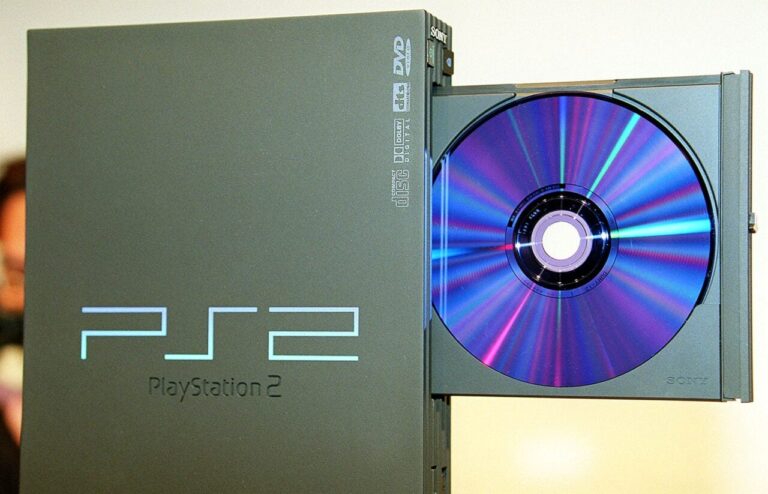
Sony’s decision represents the final chapter in a story that began with the original PlayStation’s revolutionary embrace of CD-ROM technology in 1994, a format that defined console gaming for three decades. The disc has served as the primary distribution method for PlayStation games across five generations of hardware, establishing physical ownership as the default expectation for console gamers. The shift to digital-only distribution marks the end of an era and signals that future PlayStation generations will exist entirely within Sony’s controlled digital ecosystem.
This transformation carries profound implications for how future gamers experience PlayStation titles, with no physical backups, no used game markets, and complete dependence on Sony’s digital infrastructure for access to purchased content. The closure of legacy digital stores compounds these concerns, suggesting that games purchased today may become inaccessible as Sony retires older platforms and their associated storefronts.
Critical Dates and Unfolding Drama
The timeline for this transition extends across multiple critical milestones that will shape the industry’s future. The PlayStation Store closures for PS3 and PS Vita by July 2027 represent the first major event, followed by the cessation of physical disc production beginning January 2028. The eventual launch of PlayStation 6 as a fully digital console will complete the transformation, though no official release date has been announced.
All eyes remain fixed on whether consumer pressure, retailer resistance, or regulatory scrutiny might compel Sony to reconsider this strategy. The intensity of the current backlash suggests this controversy will continue dominating gaming news cycles for months to come, with implications extending far beyond Sony to shape how the entire industry approaches physical media, digital ownership, and consumer choice in the years ahead.
